

In Praise of the Unlikely Heroine: The Other Bennett sister review
Written by Charlotte lewis
There’s something quietly radical about The Other Bennet Sister. In a TV landscape obsessed with spectacle, this is proper, old-school Sunday night viewing – the kind we don’t really get anymore. Ten episodes, each a neat half-hour, it’s a format that feels almost nostalgic, but also perfectly judged: enough time to luxuriate in character, without ever dragging. It’s also the sort of programme you could happily watch with your mum, your aunties, or your friends. It’s comforting and chatty, but with enough bite to spark conversation afterwards.
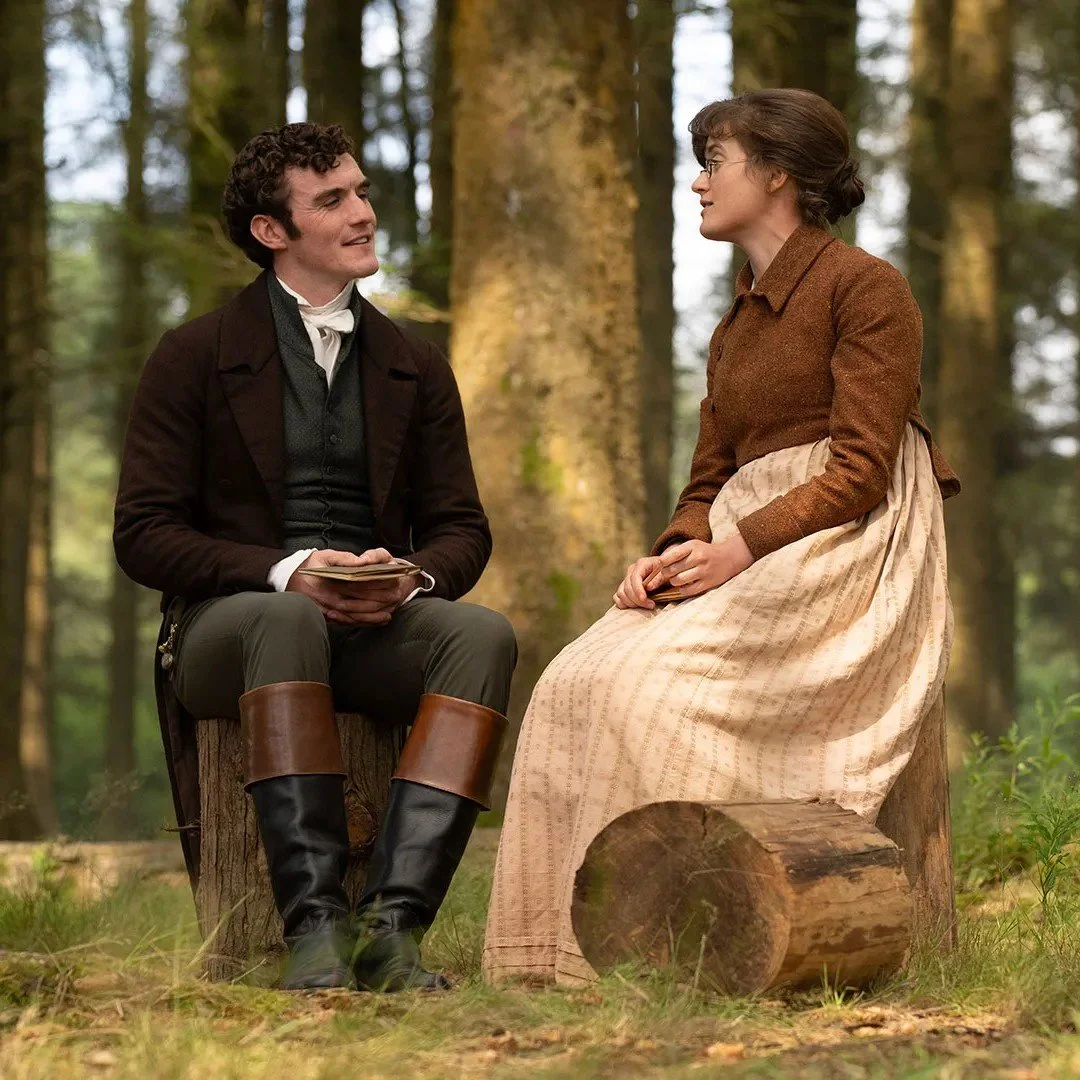
At its centre is Mary Bennet, long dismissed as the awkward, forgettable sister in Pride and Prejudice. Here, played by Ella Bruccoleri, she’s anything but forgettable. In fact, Bruccoleri does something genuinely bold – she leans into Mary’s unlikeability. This isn’t a soft, revisionist glow-up. Mary is still socially inept, still frustrating, still painfully earnest. But that’s exactly what makes her compelling. You’re not asked to love her; you’re asked to understand her.
The show’s real triumph is how it reframes Mary not as a joke, but as a woman fundamentally out of step with her world. Intelligence, seriousness, awkwardness, become liabilities in a society obsessed with charm and marriageability. It’s here the series feels most modern, drawing a subtle but clear line between Regency expectations and the pressures women still face now.
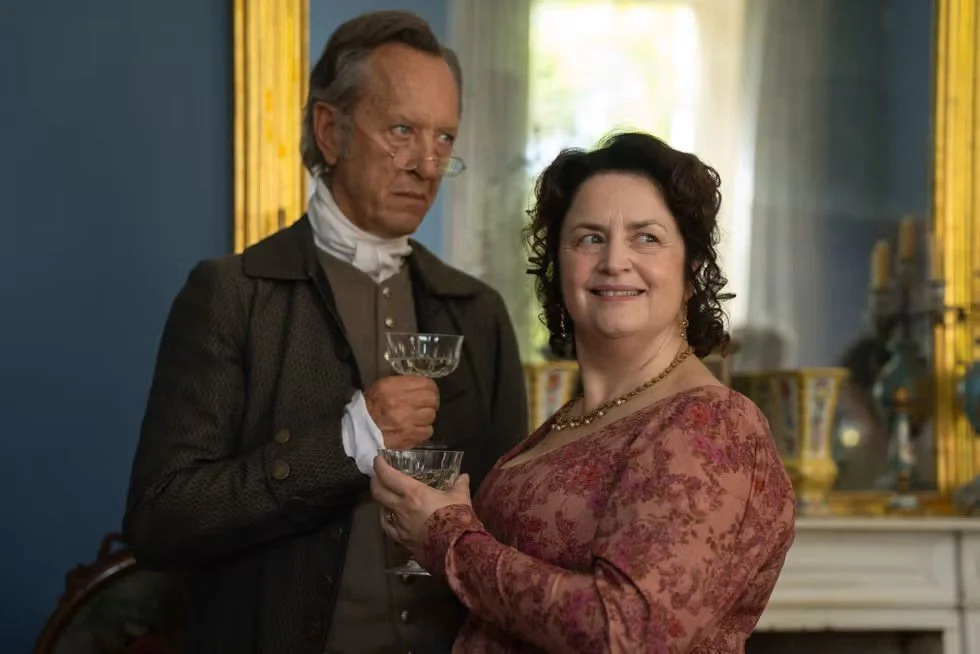
Then there’s Mrs Bennet, played with scene-stealing force by Ruth Jones. She’s painted as almost monstrous in her materialism: a woman who sees her daughters less as people and more as prospects. And yet, there’s something delicious about how far the show pushes her. Jones makes her both absurd and faintly tragic, a kind of cautionary tale about what happens when survival is tied entirely to marriage.

Among the supporting cast, Donal Finn is a real standout. Playing a brooding, Darcy-esque figure, he has the expected intensity and romantic restraint; but crucially, there’s something a bit dweeby about him too. That slight awkwardness stops the character from feeling like a straight Austen pastiche and instead makes him a much better fit for Mary’s world. He’s not impossibly polished; he feels human, a little offbeat, and all the more believable for it.
Visually, the series leans into the pleasures of period drama; tailored coats, soft candlelight, the swirl of Regency London society, but it never feels like empty heritage TV. There’s a modern sensibility running underneath, particularly in its interest in identity and belonging. The writing (largely from Sarah Quintrell) gives Mary space to exist as something period drama rarely allows: a heroine who doesn’t fit.
There are also some lovely Easter eggs for Austen fans, including subtle casting nods to past adaptations, a wink to those in the know that adds an extra layer of enjoyment without ever feeling indulgent.
The Other Bennet Sister succeeds because it understands something simple but often overlooked: not every story needs the most charming character in the room. Sometimes the most interesting perspective belongs to the one standing awkwardly at the edge of it. And in giving Mary Bennet the spotlight, the show doesn’t just expand Austen’s world, it quietly challenges who we think deserves to be at the centre of a story at all.