

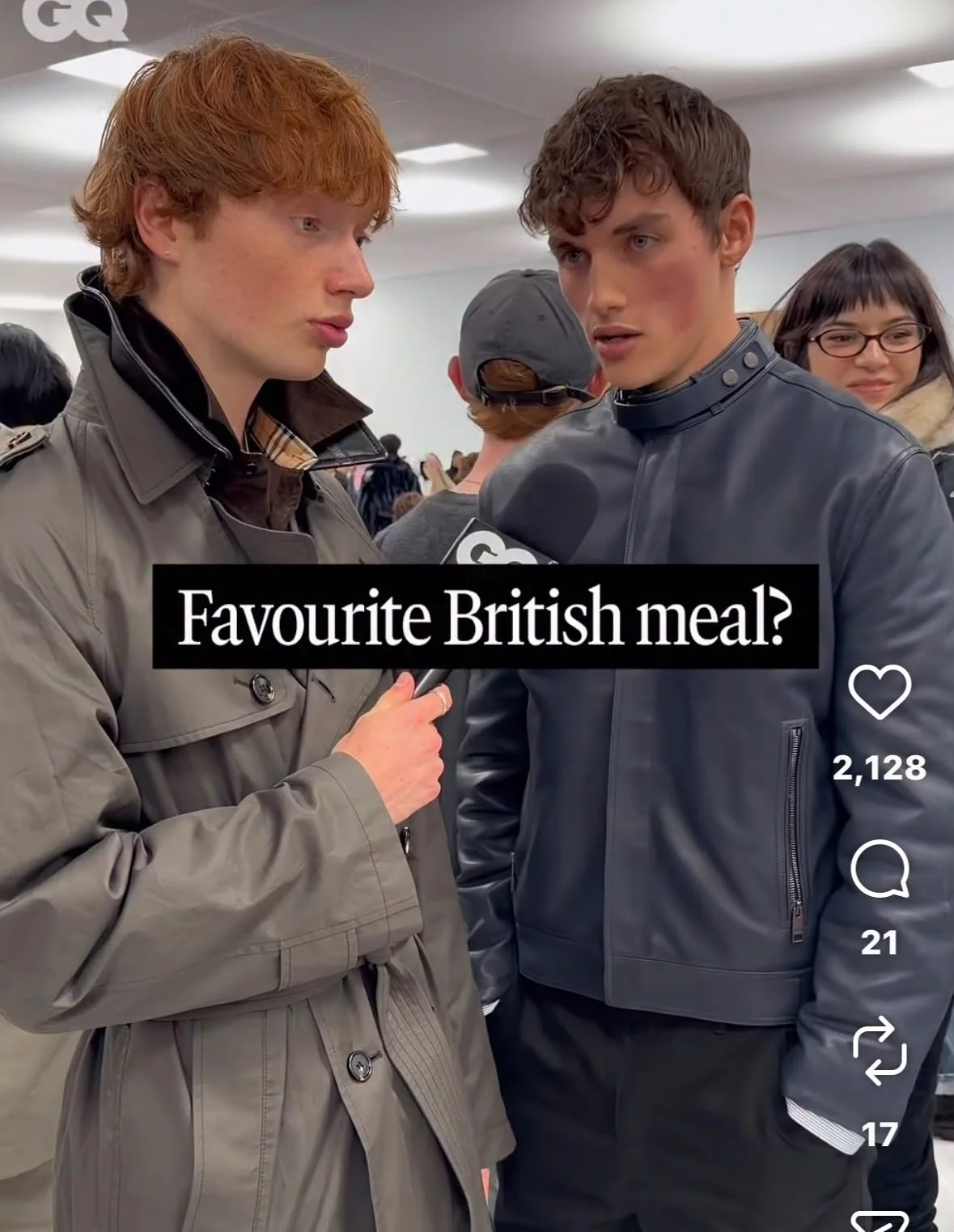
Who Put Waitrose Beans on the Fashion Week Menu?
At London Fashion Week, it is apparently no longer enough to ask someone who they are wearing. We need to know what they are eating, too. Across the endless stream of street-style interviews and Fashion Week Reels, the same question keeps appearing: what is your favourite British food? The answers are remarkably consistent. A fry-up. Beans on toast. A Sunday roast. Fish and chips. Pie, occasionally, if someone wants to demonstrate a little more regional knowledge.
The question itself is harmless enough. So are the answers. There is nothing particularly radical about somebody liking a full English breakfast, and there is no reason that someone who works in fashion should not enjoy beans on toast. The oddity is in what these foods have come to represent. Asked outside a fashion show, surrounded by clothes that most people will never be able to afford, a fry-up becomes more than breakfast. It becomes a way of communicating Britishness, normality and relatability. The £2,000 coat might be inaccessible, but look, they like beans on toast.
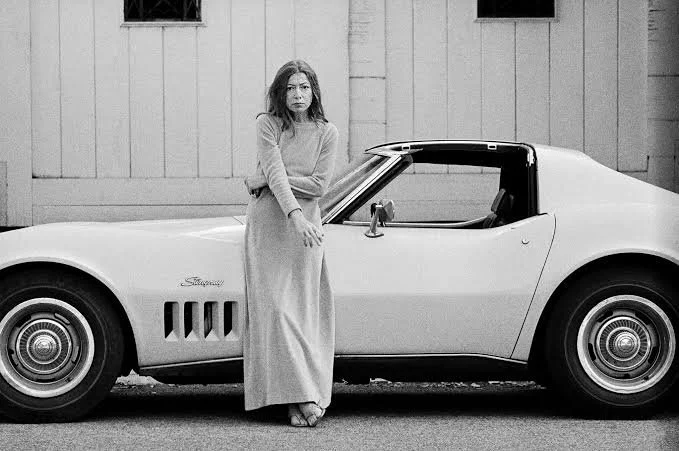
Joan Didion’s South and West: Notes on Looking
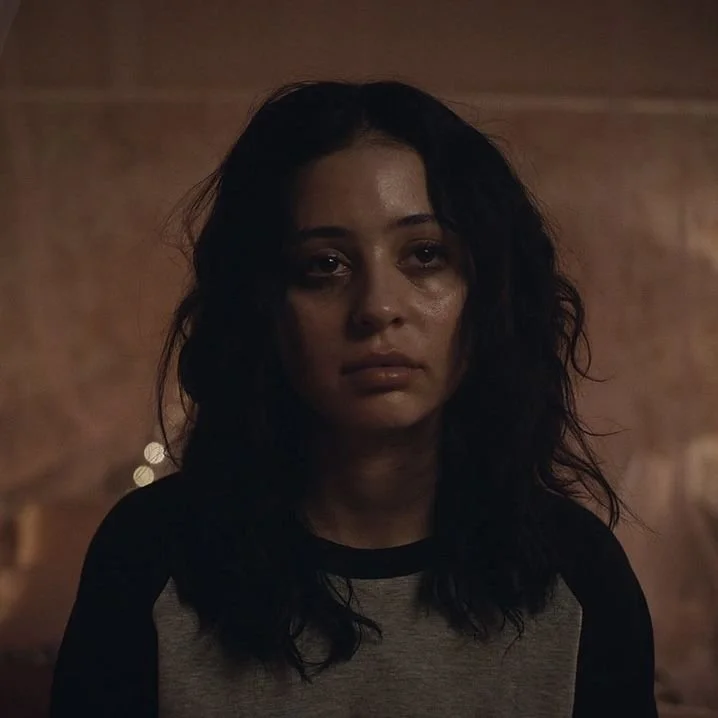
I’m starting to wonder if I’m a bad friend for needing some space.
Dilemma — “My best friend and I have been close since school, but lately our friendship has started to feel completely one sided. She’s going through a lot, and I’ve always been the friend she comes to when she needs to vent. I listen, I give advice, I cancel plans to see her and I genuinely want her to feel better. But recently, I’ve realised that almost every conversation we have is about her problems. She also went through a really messy break up last year and still talks about her ex constantly. I’ve tried to be supportive, but whenever I gently suggest that she might need to start moving on, she gets defensive. Now I’ve started seeing someone.
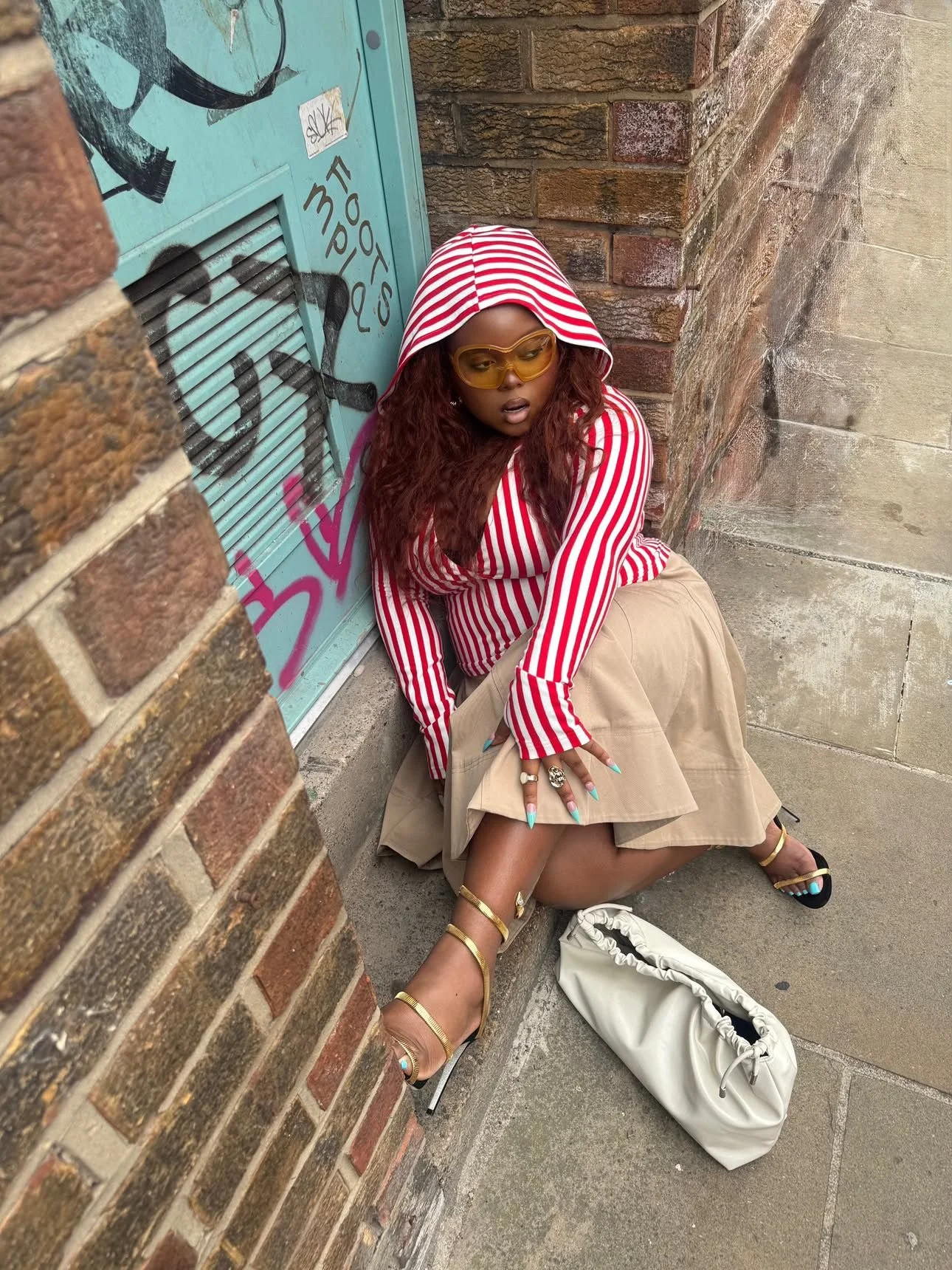
“Get Naked Infront of the Mirror”: Nyasha Saree on dressing a midsize body, finding confidence and building Tsitsi Studios
There is something wonderfully confrontational about getting dressed when you refuse to dress for the body you are supposedly meant to have.
For Nyasha Saree, fashion has never been about making herself smaller, quieter or more palatable. If anything, her approach is the opposite. Zebra print becomes a neutral. Colour is never something to be apologetic about. A skirt can be loud, a heel can be ridiculous, and an outfit does not need to fit neatly into one aesthetic, or one version of womanhood, to work.
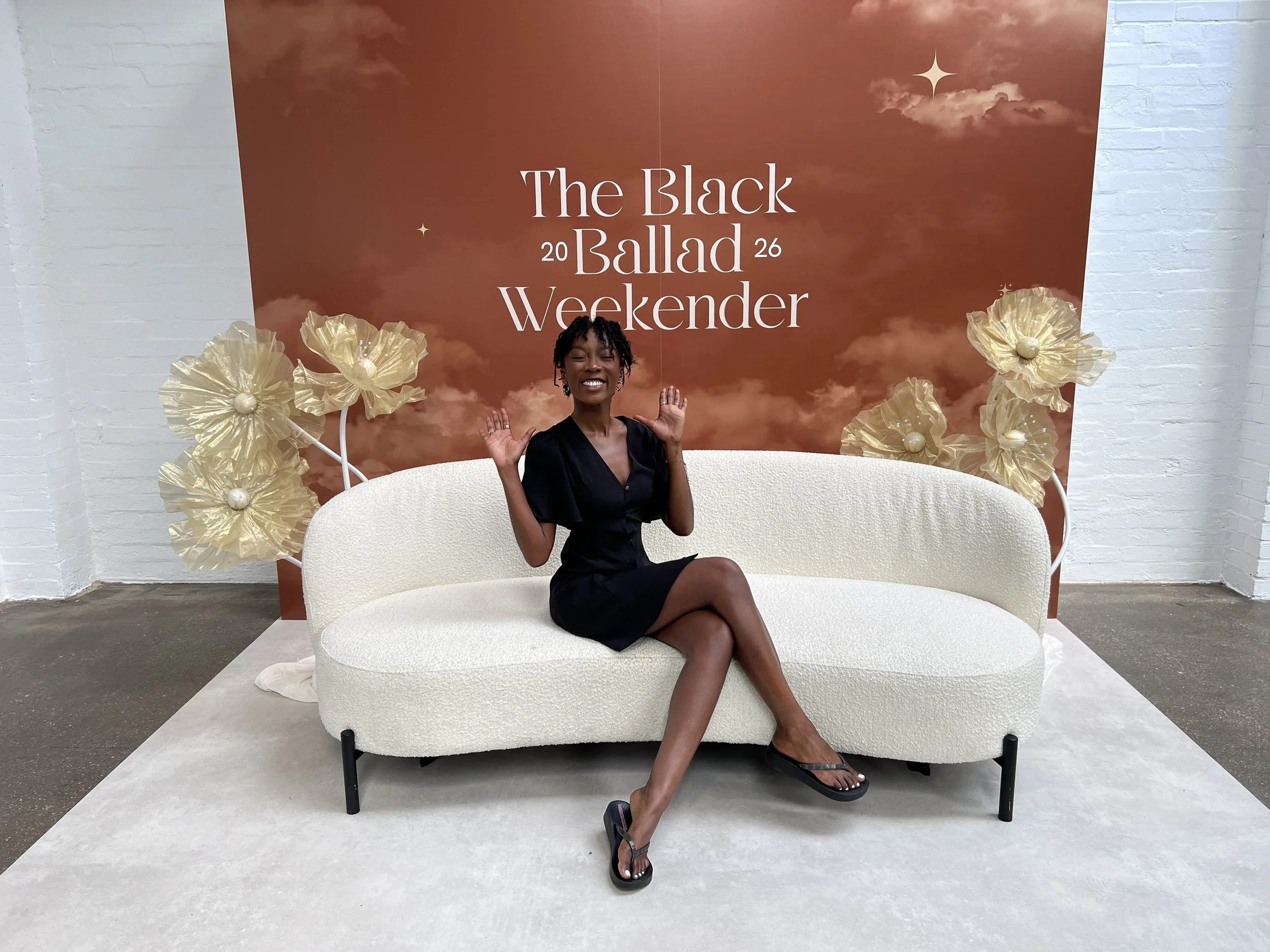
Hey, Afua!: Making a Culture Out of Your City
Antagonizine usually likes to keep things Northern. We love the strange little pockets of creativity happening across Glasgow, Manchester, Sheffield and everywhere in between. But every now and then, someone comes along with such a ridiculously bubbly personality that we simply cannot resist. And, well, who doesn't love a free, or at least cheap, cute and cultural thing to do in their city?
Meet Afua Owusu-Ansah, the woman behind @heyafua, a London-based platform dedicated to finding the best free events, exhibitions, workshops, community spaces and cultural happenings across the capital. If you've ever thought London was too expensive to actually enjoy, Afua would like a word.

The Cat in the Hat Has Come to Glasgow, and TikTok Is Terrified
There is apparently a man in a Cat in the Hat costume terrorising Britain. He has been spotted outside houses, wandering around housing schemes and lurking beneath streetlights. Parents are warning their children, siblings are filming response videos and, somehow, even grannies have got involved. Now, according to TikTok, he has made his way to Glasgow.
Except, of course, he isn't real.
The latest Cat in the Hat panic is an AI-generated internet hoax, with images and videos placing the character into recognisable streets and residential areas. What makes it so effective is how quickly the story has become localised. It isn't simply the Cat in the Hat is scary; it is the Cat in the Hat is in Glasgow. Then he is in another town. Then another. Suddenly everyone knows someone who has supposedly seen him.
It feels remarkably similar to the killer clown panic of 2016. Back then, sinister-looking clowns were supposedly appearing outside schools, in parks and around residential areas. Some sightings were real, some were pranks and plenty were rumours, but the internet transformed them into a nationwide phenomenon. The Cat in the Hat is essentially the AI-era version: a recognisable character, a slightly sinister image, a supposed sighting and an audience ready to make it bigger.
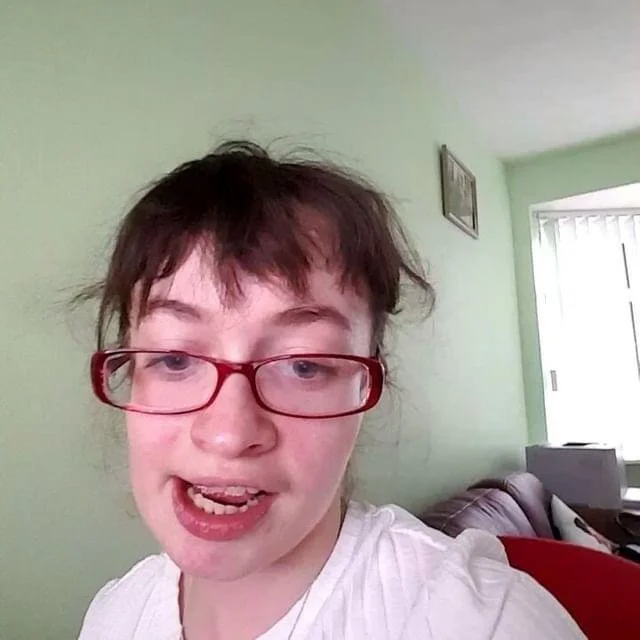
Kate King, eVal, a Random Swede and the Pleasure of an Ordinary Life
There is something strangely difficult to explain about Kate King. On paper, there is very little about her that should make her an internet phenomenon. She is 27 years old, lives in Aylesbury with her parents, spends a considerable amount of time with people older than herself, has worked relatively little, has never had the conventional dating life that tends to form the backbone of contemporary social media and has built much of her online presence around things as thrilling as the weekly food shop. She is not particularly interested in performing the version of 27 that the internet has taught us to expect. There are no endless nights out, career announcements, couples holidays, gym transformations or carefully constructed declarations of having “figured it all out.” There is Costa. There is bowls. There is radio. There is her mum, Val. There is Mick. There are grocery hauls and meal plans and an extraordinary amount of conversation about what is happening next. And somehow, millions of people have found this completely captivating.
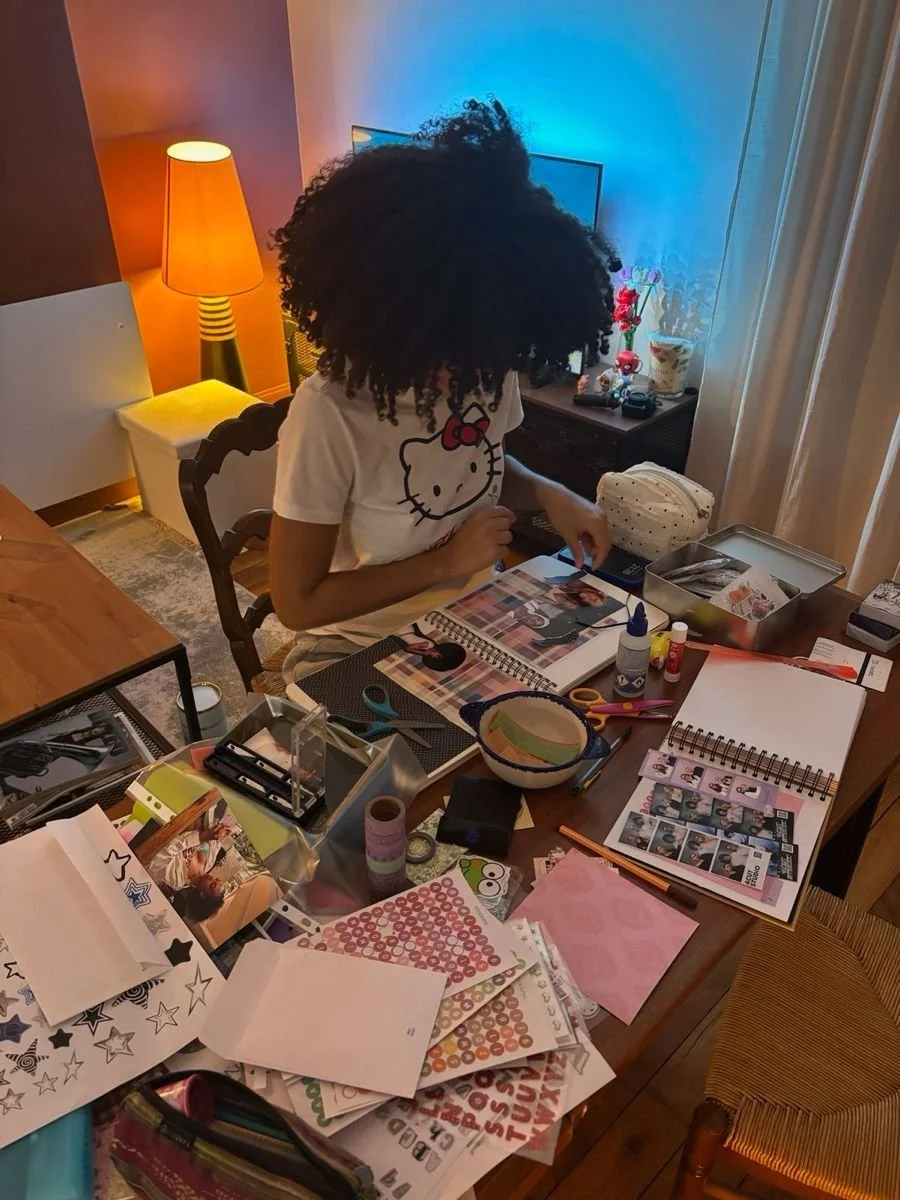
Curating Yourself to Death
Curation used to describe a specific, slow, accountable act: a person selecting and arranging objects, deciding what belongs next to what, and being professionally responsible for the argument that arrangement made. It required expertise and restraint, because the whole discipline rested on knowing what to leave out.
Somewhere in the last decade, the word got detached from that discipline and reattached to an Instagram grid, a Depop shop, a For You page algorithmically arranged for you rather than by you. Everyone curates now. Almost nobody is exercising judgement.
The shift isn’t cosmetic. A museum curator’s selections are legible, arguable and attributable; you can disagree with a hang and say why. A TikTok feed’s curation is opaque by design, optimised for retention rather than argument, and arranges you as much as you arrange it. Calling both of these curation flattens a real distinction between a discipline with standards and a recommendation engine with a retention target.
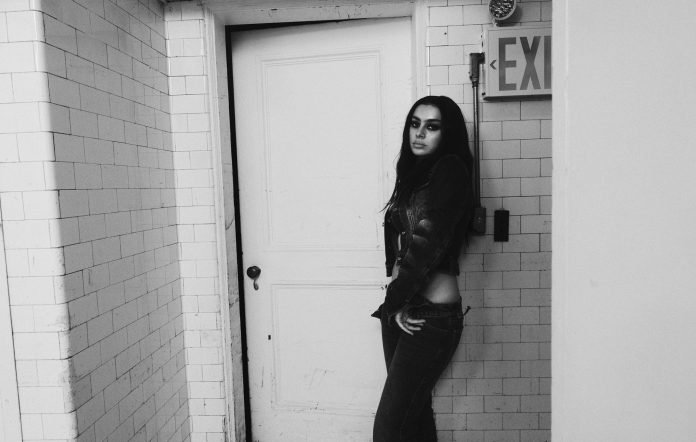
Music, Fashion, Film: How Charli xcx Continues to Rock the Music Industry’s Moulds
When I first heard Charli xcx was making a rock-inspired album, I was admittedly sceptical. However, as singles ‘SS26’, ‘Wink Wink’, and ‘Camera’ dropped, I found myself appreciating her new musical direction. Released on July 24th 2026, Music, Fashion, Film received generally positive critical reception, but has consistently been compared to xcx’s latest album, Brat. Whilst this allows for interesting discussion, I believe the discourse should more thoroughly consider xcx’s emergence as a multimedia female artist.
Don’t get me wrong, I loved both Brat and Brat and It’s Completely Different but Also Still Brat, xcx’s collaborative album with artists such as Addison Rae, Lorde, and Billie Eilish. However, the creative collaboration on MFF feels integral to the album’s purpose. Shot by Scottish photographer Aidan Zamiri, the album cover depicts John Cale, Marc Jacobs, and Martin Scorsese, three respective embodiments of music, fashion, and film. Cale, who recently collaborated with xcx on ‘House’, is 84 years old but continues to make records and tour around the UK and Europe. Last year, I saw him at the Pavilion Theatre in Glasgow for his POPtical Illusion tour: despite his age, he performed with the same vigour as in the days of The Velvet Underground.
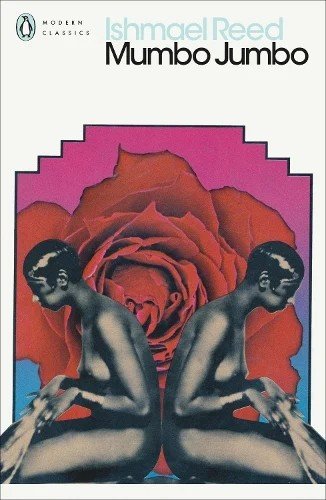
Catch the Fever: On Ishmael Reed’s Mumbo Jumbo
I’m not really sure how to begin reviewing Mumbo Jumbo, mainly because I’m not entirely sure I’ve finished processing it. It is one of those books where you can understand what Reed is doing without necessarily understanding everything he is doing. There are so many historical references, characters, myths, political ideas and conspiracies packed into it that I often felt like I was reading one story while simultaneously being given five others.
Set in 1920s Harlem, the novel follows Papa LaBas, a Voodoo practitioner, as he investigates the mysterious spread of “Jes Grew”; a supposed virus causing people to dance, listen to jazz and embrace African-American culture. The people attempting to stop it see Jes Grew as something dangerous that needs to be contained. But the joke, and really the central idea of the novel, is that Jes Grew isn't a disease at all. It is creativity. It is music, movement, freedom and self-expression.
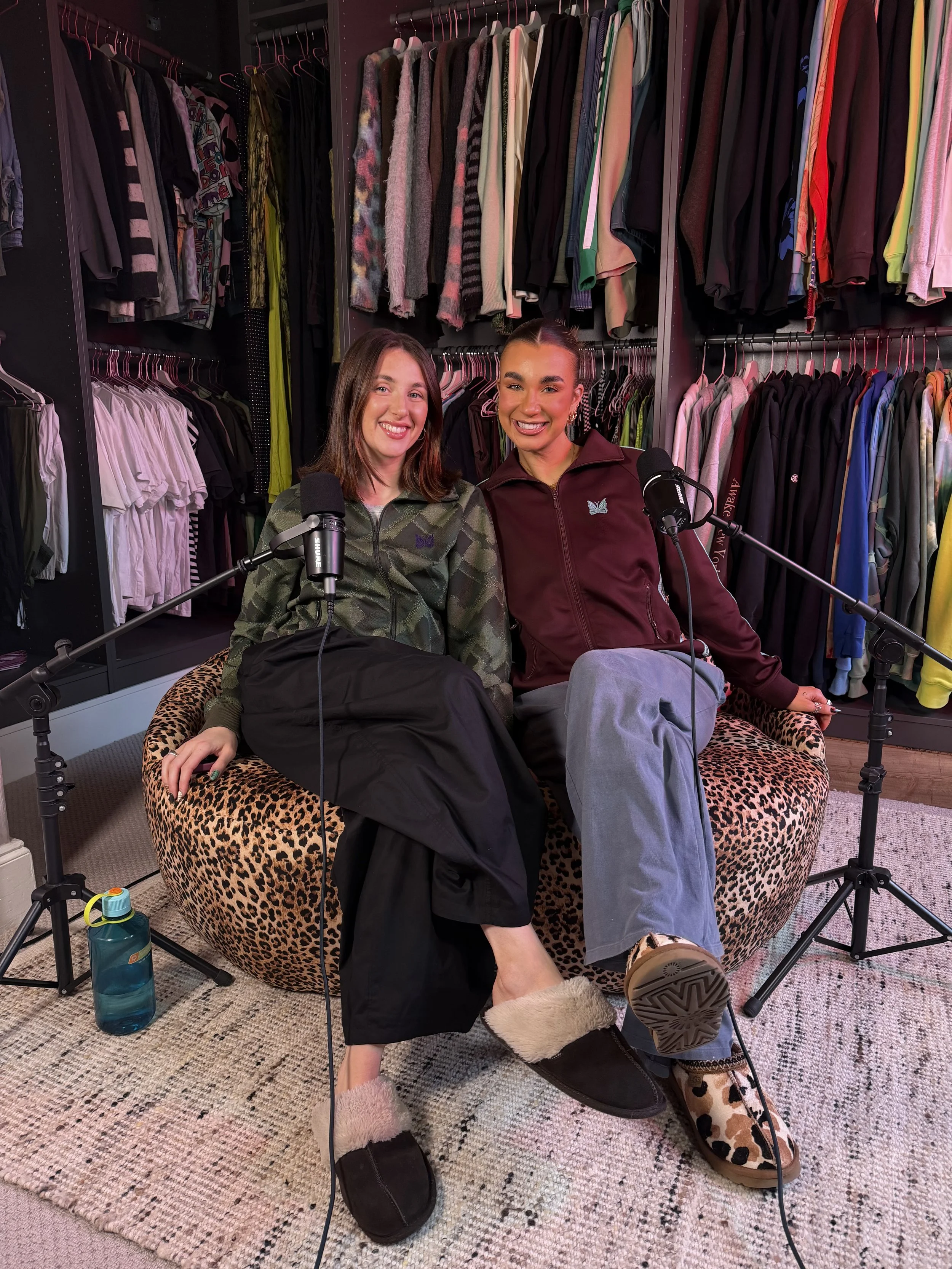
Megan Welsh and Nadine Walsh: The Story Behind Us Two
What does 15+ years of friendship actually look like?
It's easy to glimpse moments of friendship through social media, a holiday photo, a birthday post, a quick appearance in someone's latest vlog. But those snapshots rarely tell the full story. The awkward teenage years. The difficult conversations. The heartbreaks, the inside jokes and the decision, over and over again, to keep choosing each other. Every great friendship has an origin story.
For Megan Welsh and Nadine Walsh, it begins somewhere between a mutual friend, a school playground and an apple pie bought from the Co-op after class. Fifteen years later, the details have become blurrier, but the friendship hasn't. While audiences may have discovered Megan through social media, their podcast or The Agency: Unfiltered, what people have truly connected with is something that existed long before any camera was switched on.
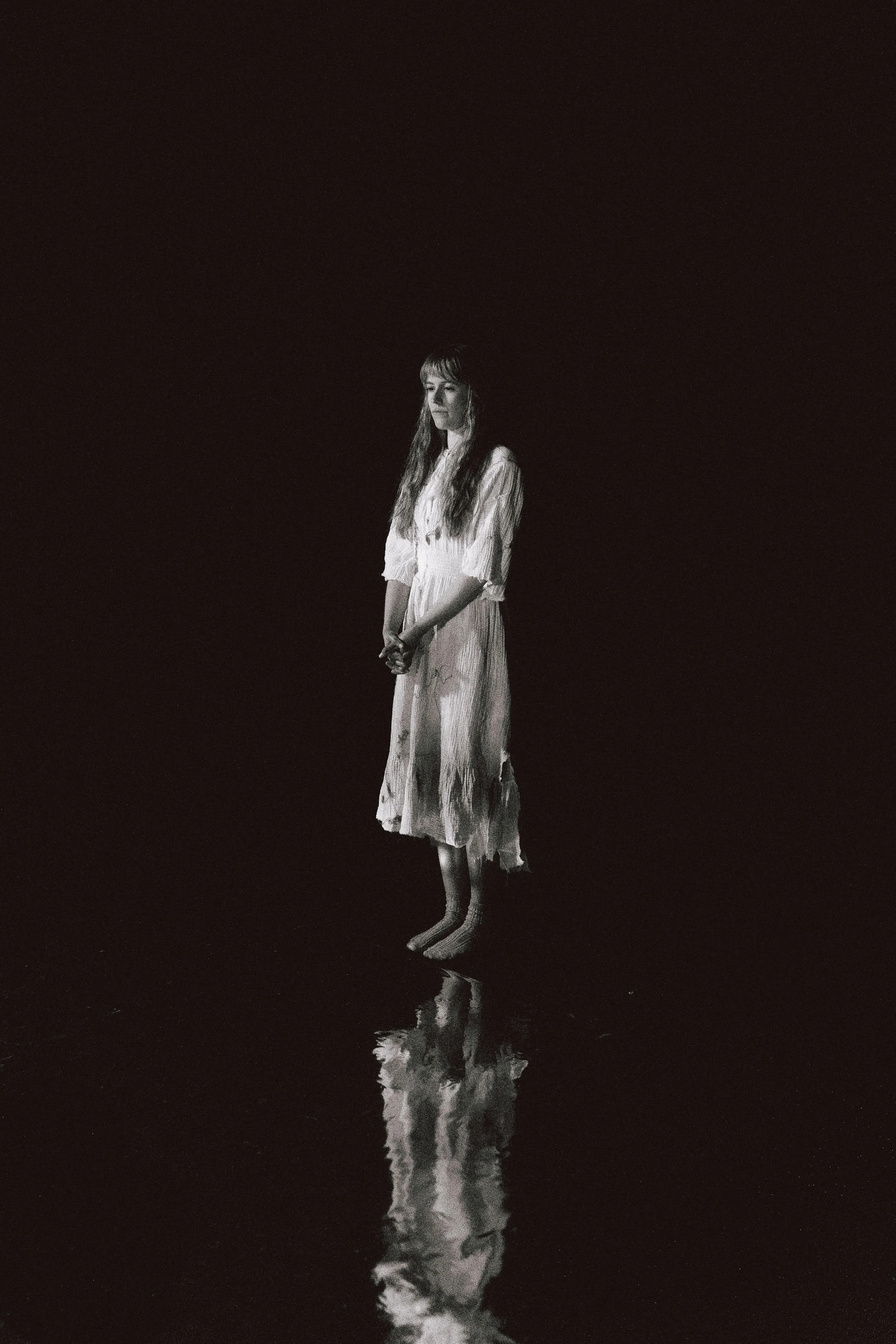
Reclaiming the Monster: How Black Magpie Productions is Redefining Scottish Horror
There is something fitting about speaking to Holly Lawrenson Evans and Chantel Hiden-Livingstone while discussing Scotland's landscapes. Every hill, loch and stretch of woodland seems to hold a story, and for the founders of Black Magpie Productions, those stories have become the foundation of a new kind of horror. Their work isn't interested in cheap scares or shock value. Instead, they use Scottish folklore to explore violence against women, misogyny and female survival, proving that horror can be as emotionally resonant as it is unsettling.
Founded by director Holly Lawrenson Evans and writer Chantel Hiden-Livingstone, Black Magpie Productions grew from Holly's desire to challenge how women have historically been portrayed within horror. After completing a Master's in Experimental Filmmaking at the University of Glasgow, she became fascinated by feminist body horror, Barbara Creed's The Monstrous-Feminine and Julia Kristeva's theory of abjection. Rather than accepting the familiar horror archetypes of women as helpless victims or terrifying monsters, Holly wanted to dismantle them.
"I was just fed up with seeing horror films where women were either the victims or the monsters," she explains. "There was never any space for women to simply exist as complicated people."
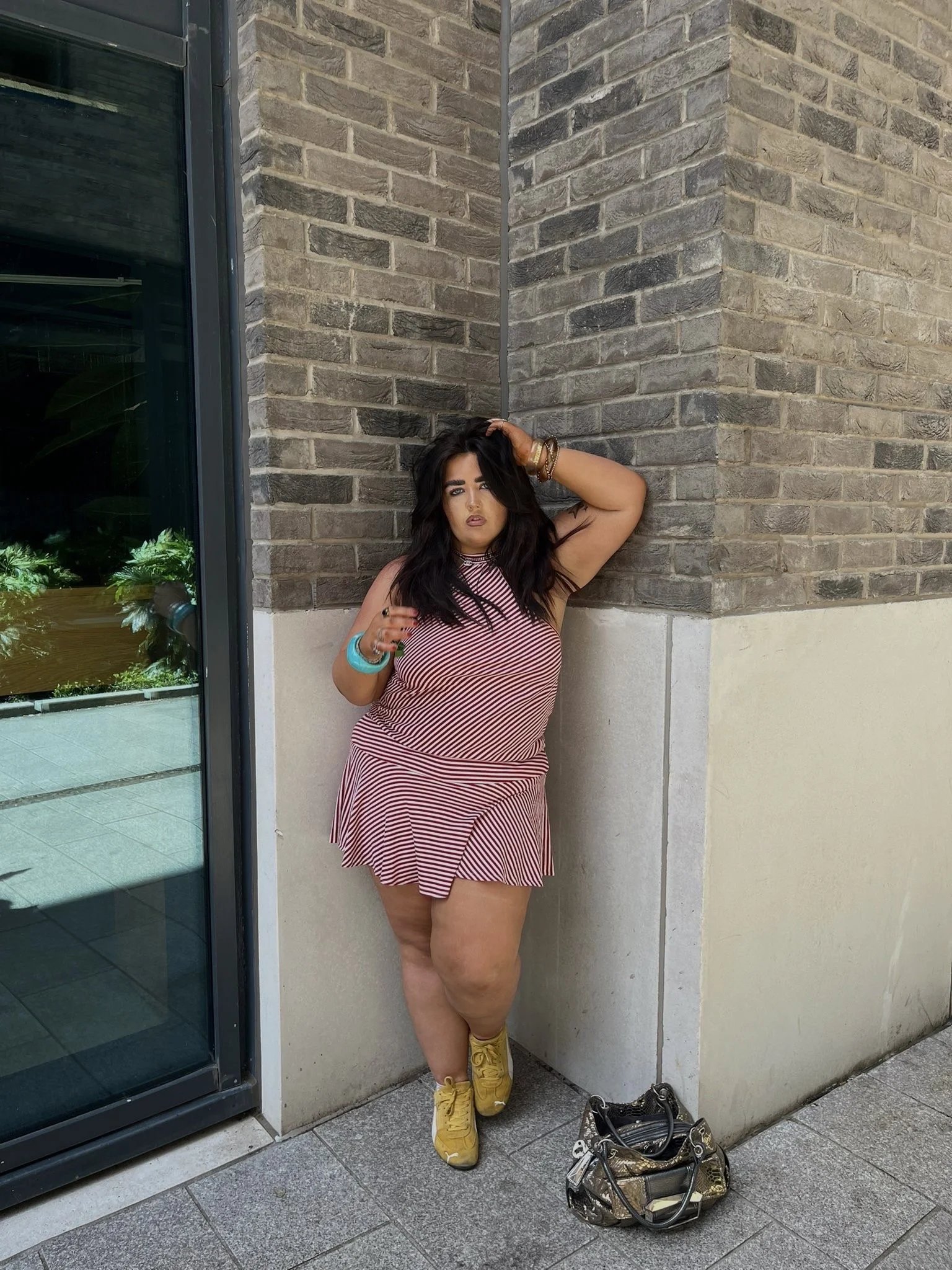
Thrifted, Timeless and Unapologetically Hers: Meet Beth Farren
In a social media landscape often dominated by polished aesthetics and perfectly curated feeds, Beth Farren's content feels refreshingly honest. Whether she's sharing her latest charity shop find, documenting a coffee run or styling an outfit inspired by Sex and the City, Beth has built an audience not by chasing trends but by simply being herself.
The Paisley-born creator, who spends much of her time exploring Glasgow's vintage scene, has quietly become one of Scotland's rising fashion voices. Her content blends second-hand fashion, indie music, city life and an effortless sense of personal style that feels authentic rather than aspirational.
"I would really just say it's a mix of everything," Beth explains. "I do a lot about coffee and charity shopping, and I think that's what makes my style different from other Glasgow creators."
That individuality has become the foundation of her growing online presence. While many creators carefully build a niche around viral trends, Beth has never felt the need to reshape herself for the algorithm. Instead, trends only make it onto her page if they naturally fit the content she already enjoys creating.
The Romance Economy: Pink Pill Culture & Dating Strategy
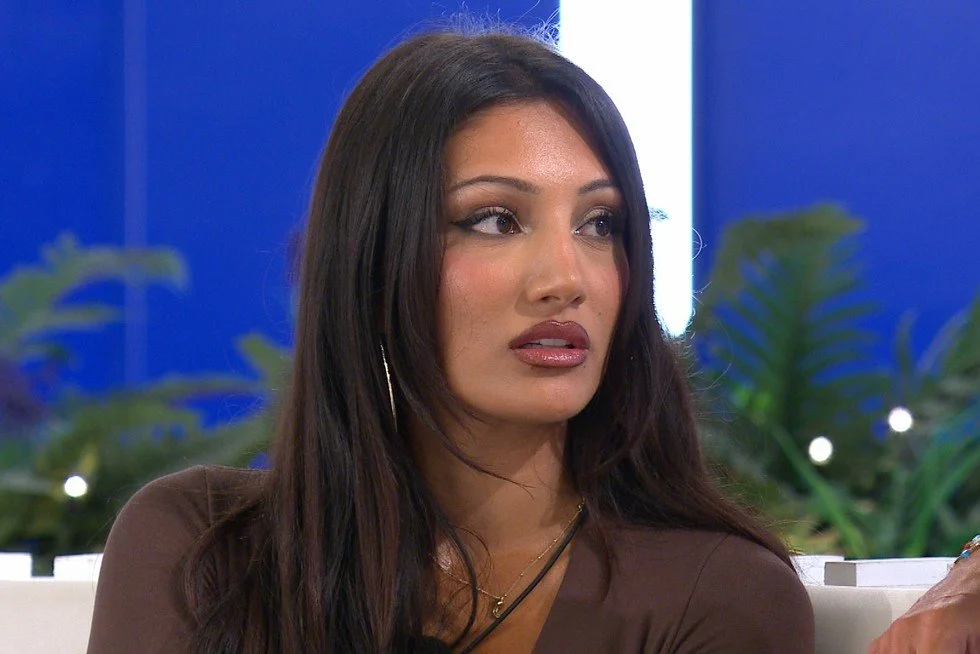
A few months ago, I realised I had become, at least in part, what the internet now calls "pink-pilled".
Not because I wanted to marry a millionaire or because I believed women should manipulate men into paying for their lifestyles, but because, after years of hearing women apologise for wanting more, something about the rhetoric felt refreshing. My TikTok feed became increasingly populated with videos about "high-value men", "provider mindsets" and Shera Seven's now infamous phrase, "sprinkle sprinkle". I found myself agreeing with more of it than I expected. After all, what was so controversial about believing women deserved better?
Jajex Apparel: Where African Heritage Meets Scottish Weather
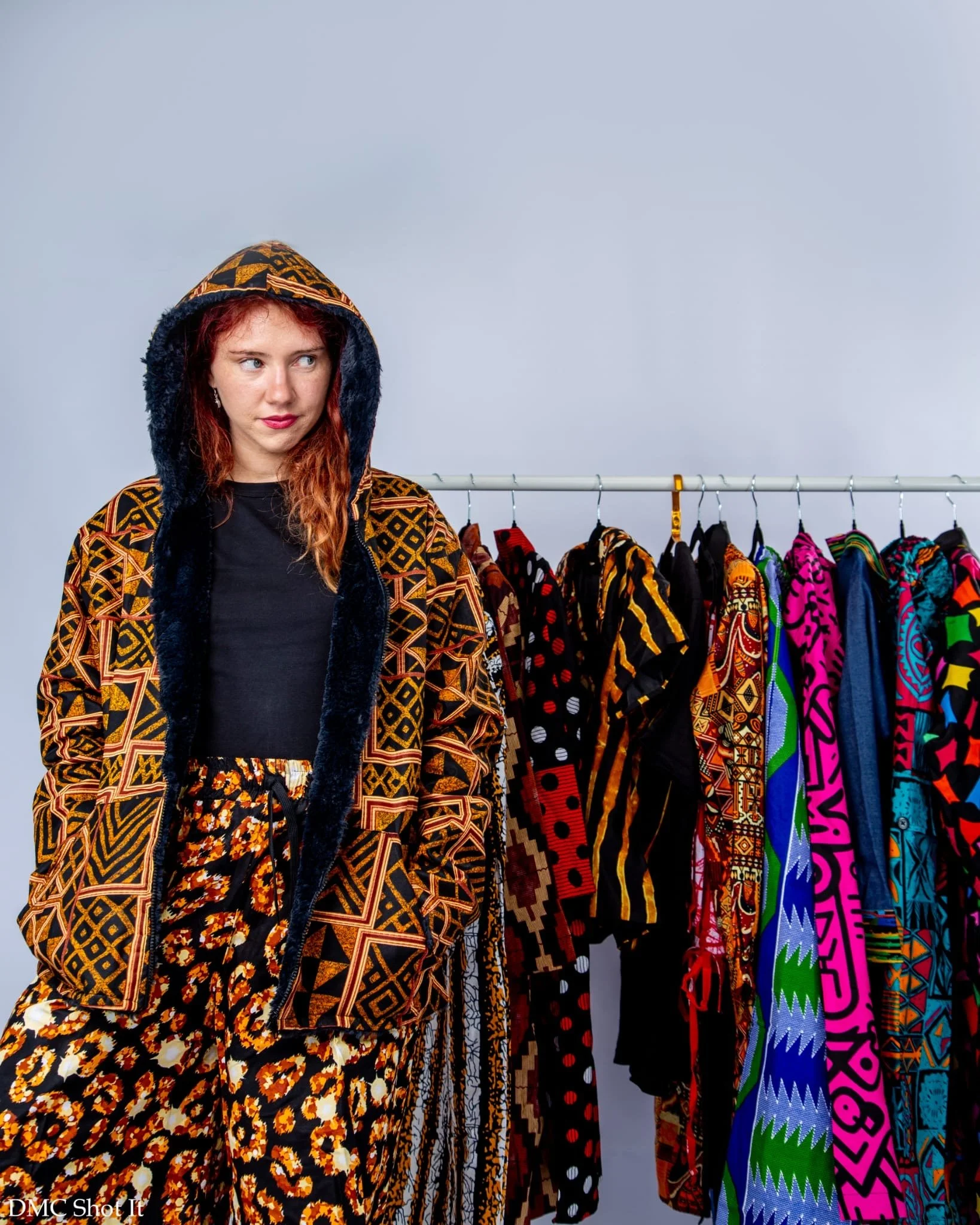
Fashion has long been shaped by movement; by the places we leave behind, the cultures we carry with us, and the environments we learn to navigate. For Nigerian-born designer Dorothy Opia Enwemuche, that journey began with something unexpectedly practical: the Scottish climate.
After moving to Edinburgh, Dorothy found herself adjusting to a landscape and lifestyle unlike the one she had known. The colder weather brought a new challenge, but it also sparked a creative question: how could clothing designed for Scotland still reflect the colour, energy, and heritage of home?
What I Learned About Living From Cookie Mueller
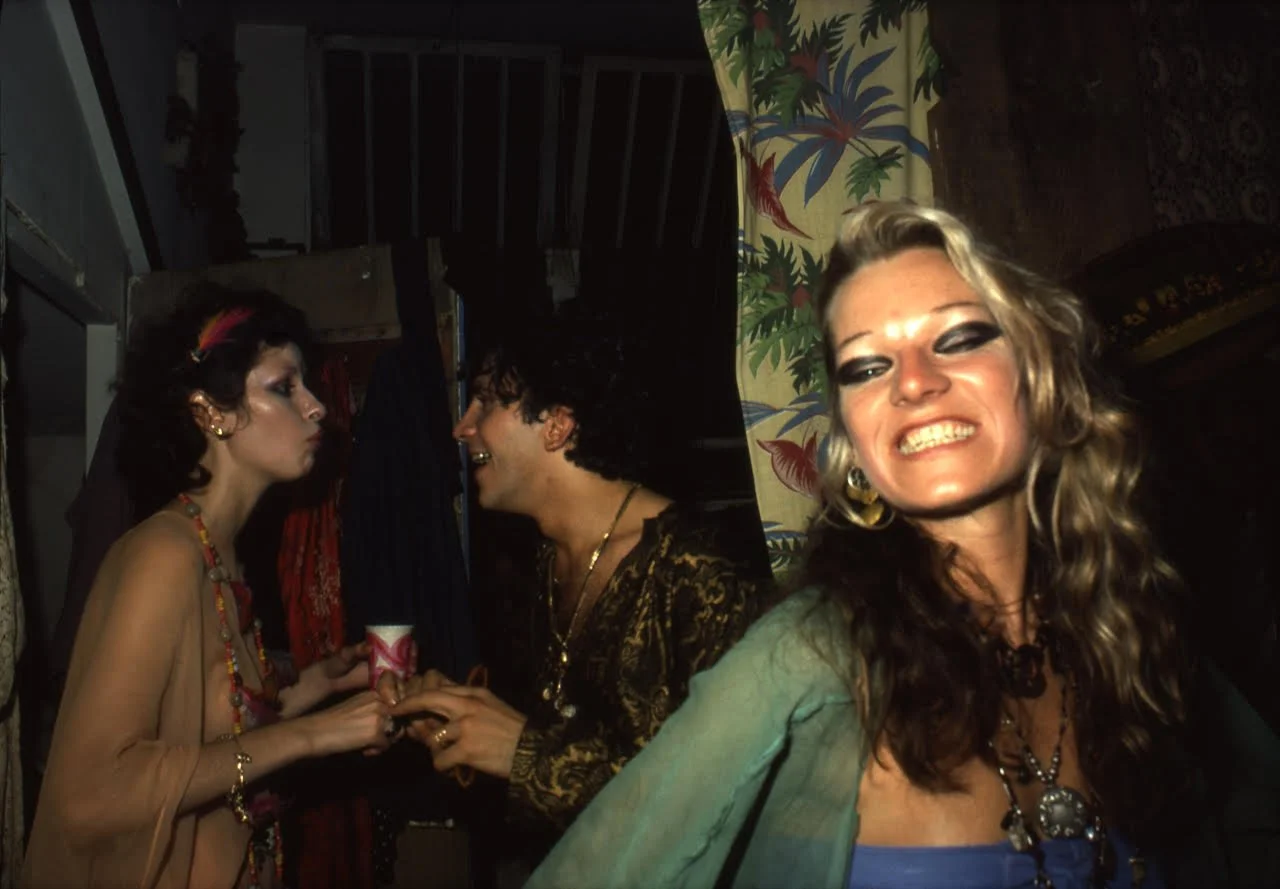
Last week, while sitting beside a pool in Lefkada, Greece, on a girls’ holiday, I started reading Walking Through Clear Water in a Pool Painted Black by Cookie Mueller. I picked it up at a time when I felt unusually uncertain about where my life was heading. After one of the most turbulent years I have experienced, I found myself questioning everything: my family, my relationships, my ambitions, and the person I was trying so hard to be.
I realised something uncomfortable about myself while reading this book: how much of my life has been shaped by wanting to be seen. I want to be perceived as successful, as the overachiever, as pretty, as interesting, as someone people talk about and admire. And while those qualities are genuinely part of me, I hope. I started to wonder how much energy I had spent performing a version of myself rather than simply living.
Cookie Mueller’s writing arrived at exactly the right moment.
Battle For Glasgow 2026: How Students Built One Of Scotland’s Largest Esports Events
When it comes to esports, and gaming in general, there is often a narrative that struggles to break through the stereotypes associated with competitive online gaming. Some have a view that esports remains confined to dark rooms, players disconnected from social groups, and niche online spaces. But student-led events like ‘Battle for Glasgow’ are working hard to challenge that perception. What began as separate university societies and rival student teams across Glasgow is quickly becoming something much larger: a live production built on community, creativity, and collaboration. Once you begin to look past the competition, you see an incredible collective effort of a student-led volunteer group, from players performing under pressure, production teams working behind the scenes to make the event as best as possible, commentators driving in-game narratives, and student communities gathering around a shared experience. Battle for Glasgow highlights what students are capable of building when they are given a stage to showcase their passion and ambition.
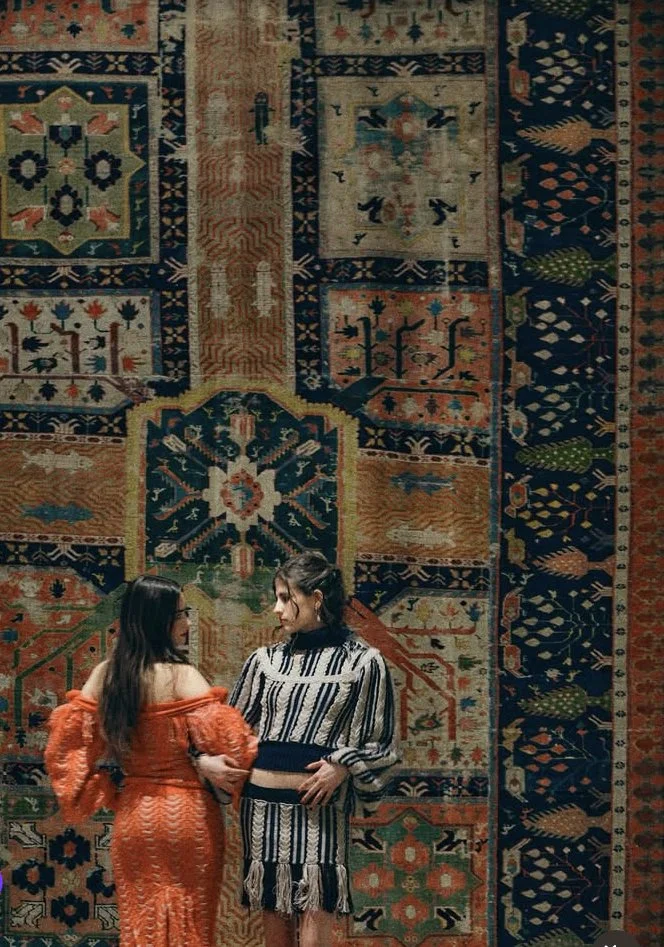
The Art of Dressing a Museum: Flora McFarlane’s Return to the Garden at the Burrell Collection
There are fashion shows, and then there are moments where fashion, place, and people seem to dissolve into one another entirely. What unfolded at the The Burrell Collection felt less like a traditional runway presentation and more like the beginning of a cultural conversation, one rooted deeply in Glasgow, in craftsmanship, and in the enduring spirit of Glasgow School of Art.
The room itself was alive long before the first model emerged. The audience was packed with GSA alumni, photographers, makers, collaborators, and friends, a creative ecosystem gathering around one of its own. It was the first runway show the Burrell has ever hosted, and there could not have been a more fitting debut. Beneath the museum’s soaring glass ceilings, with natural light flooding the space, the entire experience felt immersive and cinematic, as though the garments belonged not simply on bodies, but within the architecture itself.
At the centre of it all was Flora, whose collection carried the confidence of a designer already building a world far beyond graduation. Only two years out of university, she has continued to evolve the ideas first explored in her fourth-year collection at GSA, an achievement that feels increasingly rare in a fashion landscape obsessed with immediacy over development. That continuity gave the show emotional weight. This was not a disconnected new chapter, but a refinement of a language she has already begun to master.
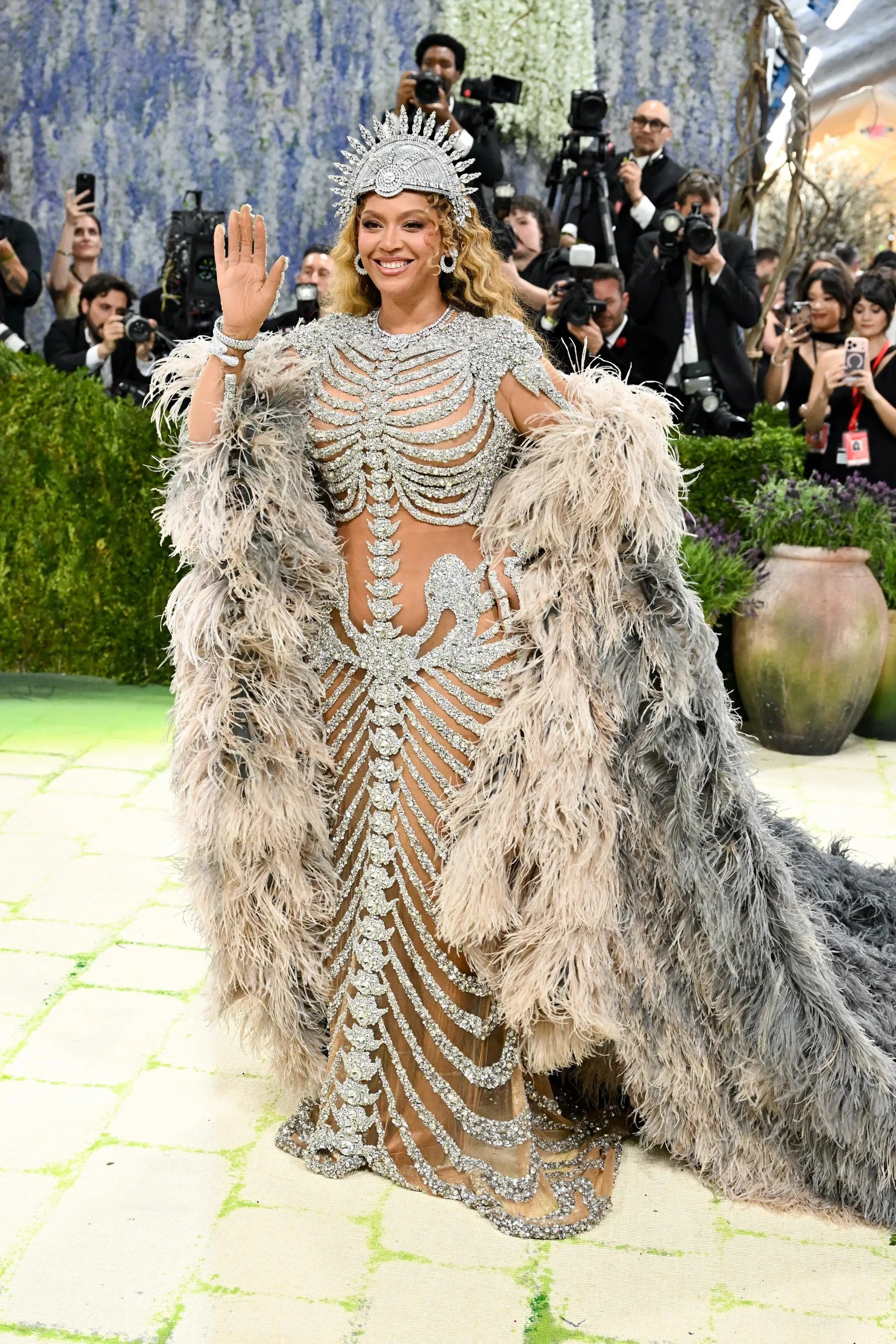
Fashion is Art, and Art Belongs to the People (Met 2026)
The first Monday in May is a date fashion lovers around the world know well. This is the beauty and importance of fashion: like art, music, cinema, and poetry, fashion allows people to escape reality and become someone new.
The theme of the 2026 Met Gala, Fashion Is Art, was exciting for many reasons, most importantly because fashion has long been looked down upon within the art world. The Met Gala itself is a fundraiser for the Costume Institute at the museum, which originally struggled for recognition because fashion was not considered “real art” in the same way as painting or sculpture. This year’s theme finally acknowledged, on a large scale, that fashion is art, and its recognition as such feels incredibly significant.
The theme also offered huge creative potential. People wanted extravagance, garments that would never appear on a typical red carpet. Instead, what we received were underwhelming gowns and casual blue jeans. As expected, many of the men arrived in predictable black tuxedos, with only a few standing out: Luke Evans in Palomo Spain, Jordan Roth in Robert Wun, and Sam Smith in Christian Cowan.
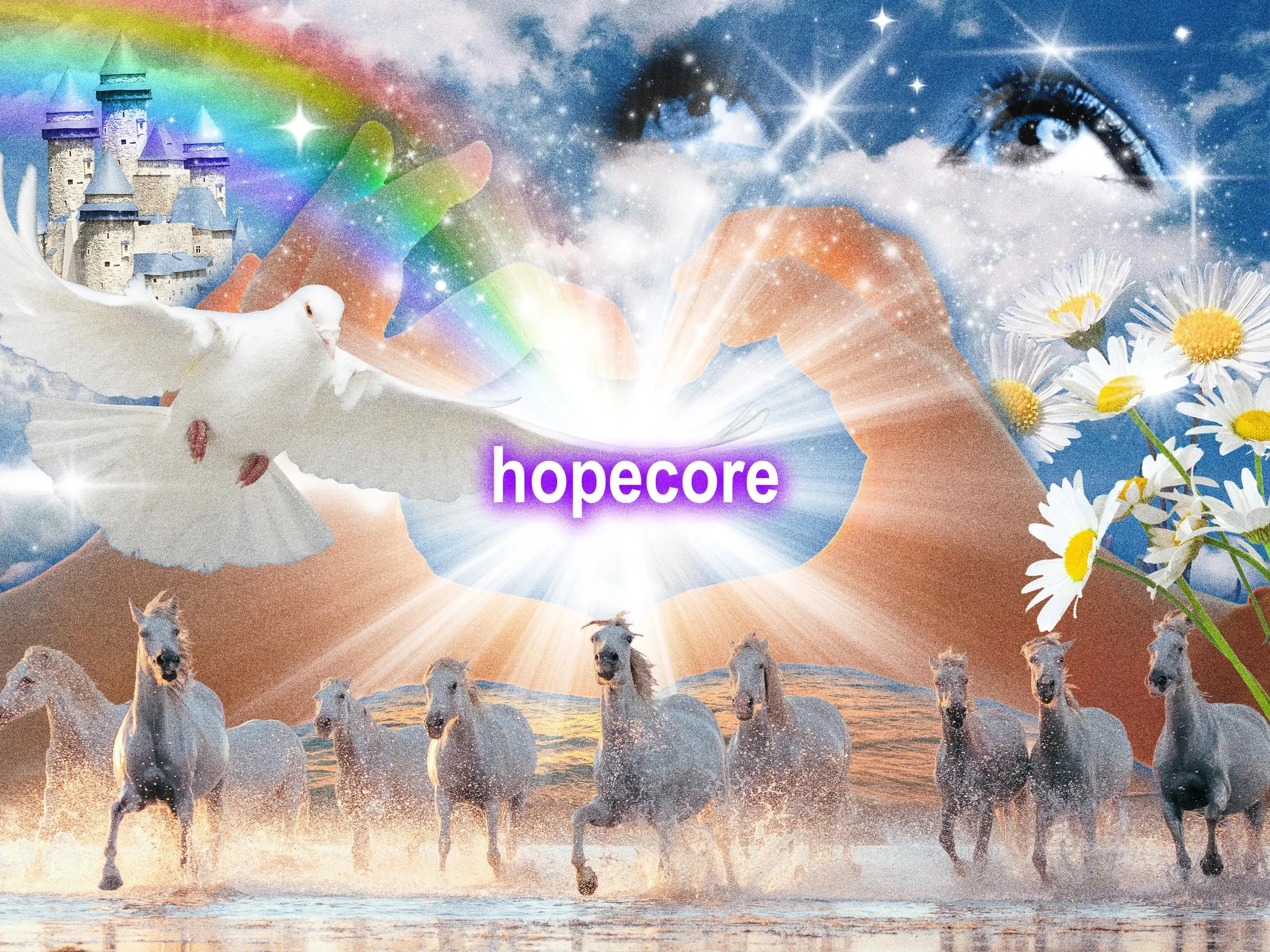
Cyberfeminism Now: Hopecore, Cyborgs, and the Platformed Self
There is something distinctly cyberfeminist about hopecore; the strange, dissonant meme format pairing low-resolution animals with WordArt affirmations and early, internet aesthetics. Its visual language recalls the surreal gloss of 1990s desktop environments, evoking a moment when the internet still felt unstable, open, and full of possibility. Yet hopecore is not utopian. It emerges from what Polyester mag describes as a “fragmented soup of life,” in which online culture mirrors a broader social drift toward disarray, and where existentialism and nihilism increasingly underpin everyday experience (Quin, 2026.).