

The Loneliness of Visibility: Crowded but Unseen
Written by Lara Sayess; edited by Eliza Plunkett
We live in an age of constant exposure. Every scrolling thumb, every tap, every share carries the unspoken promise of being seen. Yet somehow, being seen has become its own kind of invisibility. The feed never ends, the lights never dim. Still, we keep performing, hoping the algorithm looks back.
Our world is built to be watched. We document our trips, our opinions, our outrage. We measure our relevance by the model of our iPhone, as if the upgrade also upgrades us. But attention, as it turns out, is a weak substitute for connection. We are surrounded by images of ourselves and others, but feel increasingly unseen. Real understanding doesn’t come from visibility — it comes from community, from the slow work of being known by others over time. Building that kind of closeness takes effort, and in a culture trained for instant validation, patience feels like a lost art.
Once, to be seen was to be recognised. It meant context – someone looking at you and understanding who you were. Now, the light is always on. We post, refresh, and scroll through other people’s lives, where strangers start to feel like friends and friends begin to feel like content. The audience has become abstract, invisible, but everywhere. We talk to “everyone,” which often means no one at all. Identities are compressed into curated feeds and highlight reels, shaped for algorithms rather than people. The attention we receive is fragmented: half-hearted hearts, passive views, scrolling glances. We crave to be witnessed, but settle for being acknowledged.
Authenticity itself has become a performance. We polish our rawness, capture our honesty, and edit our spontaneity. Vulnerability is now a genre. Emotion, a brand. Scroll long enough, and the performance is seamless: grief captioned with the right font, activism filtered into a carousel, and self-care turned into an aesthetic. What was once personal has become transactional. We used to speak to be understood; now we speak to be noticed. Social platforms do not reward sincerity; they reward activity. So we perform. We have learned what kind of sadness “engages”, which joys are shareable, which parts of ourselves photograph best. Everyone is both actor and audience. The tragedy is not that we perform, but that we no longer know where the act ends and the self begins.
The private self that was once protected by walls has been reduced to a tab left open in the background. We pre-edit experiences before we have lived them, and every silence is interrupted by a notification. We build versions of ourselves: one for work, one for friends, one for the feed. While all are real, none feel whole. Even in solitude, we feel observed. The lens has moved inside, shaping how we see ourselves. It’s a modern echo of the gaze that once taught women to see themselves from the outside in — to live as if always being watched. Constant visibility is not liberation, it is labour. Invisibility can feel exhausting, but so can constant exposure. The real question is not whether we should disconnect, but how much of ourselves we can afford to keep unposted.
Attention has become the new oxygen. Likes, followers and shares quantify our worth, but rarely satisfy our craving for validation. The logic of the feed is simple: more is more. More posts, more presence, more visibility. But like any currency, attention inflates — the more we have, the less it is worth. We grow louder to feel alive, only to find the noise hollowing us out. Real connection requires time, not just clicks. It asks for recognition, not reaction. Yet, we have mistaken visibility for intimacy and metrics for meaning. We scroll through countless lives and realise that none of them truly see us. Posting a sincere thought and watching it vanish into the feed has become one of the quiet losses of modern life. Maybe the answer is not more visibility, but better invisibility. This does not mean disappearance, but intention — knowing when to step out of the light. It means choosing conversation over caption, silence over status, presence over performance.
Privacy is not invisibility, and being unseen is not failure. To be unseen is, now, to reclaim a kind of freedom — the freedom to think, to feel, to exist without applause. Connection begins where the feed ends: in the quiet of an unrecorded conversation, the warmth of being present without proof, the relief of not being content.
The truth is simple: to be seen is not always to be known. And sometimes the most drastic act in an age of exposure is to look away.
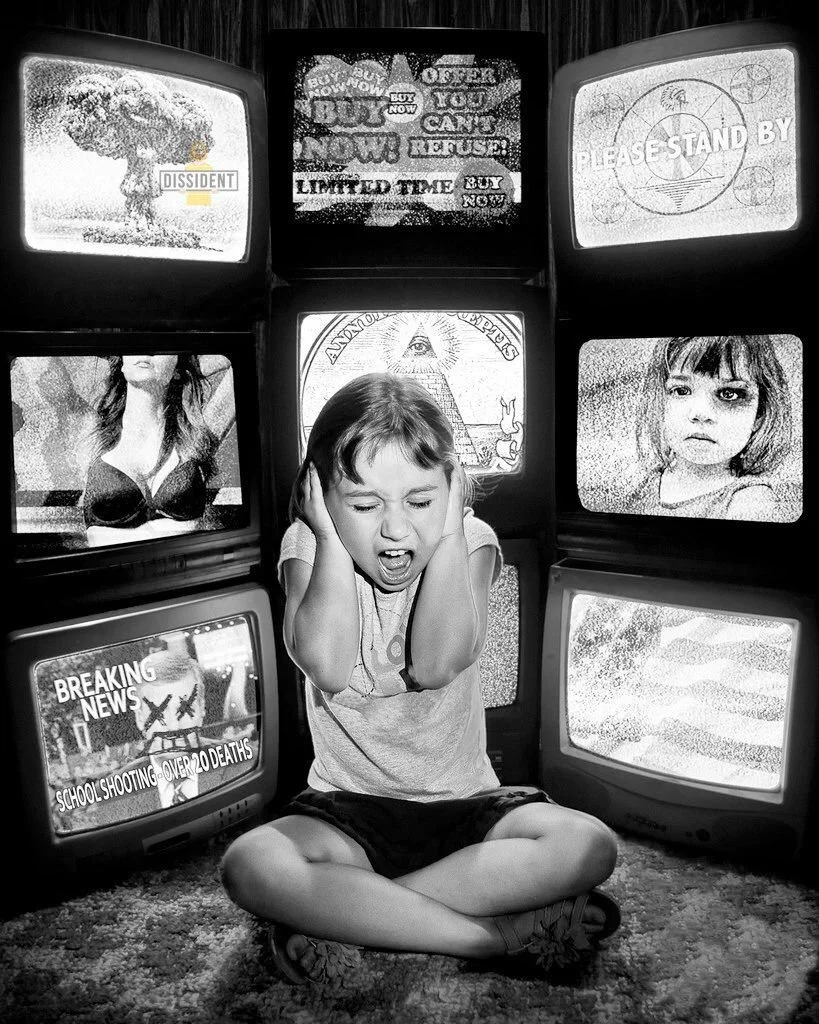
Image Flickr