


I’m starting to wonder if I’m a bad friend for needing some space.
Dilemma — “My best friend and I have been close since school, but lately our friendship has started to feel completely one sided. She’s going through a lot, and I’ve always been the friend she comes to when she needs to vent. I listen, I give advice, I cancel plans to see her and I genuinely want her to feel better. But recently, I’ve realised that almost every conversation we have is about her problems. She also went through a really messy break up last year and still talks about her ex constantly. I’ve tried to be supportive, but whenever I gently suggest that she might need to start moving on, she gets defensive. Now I’ve started seeing someone.
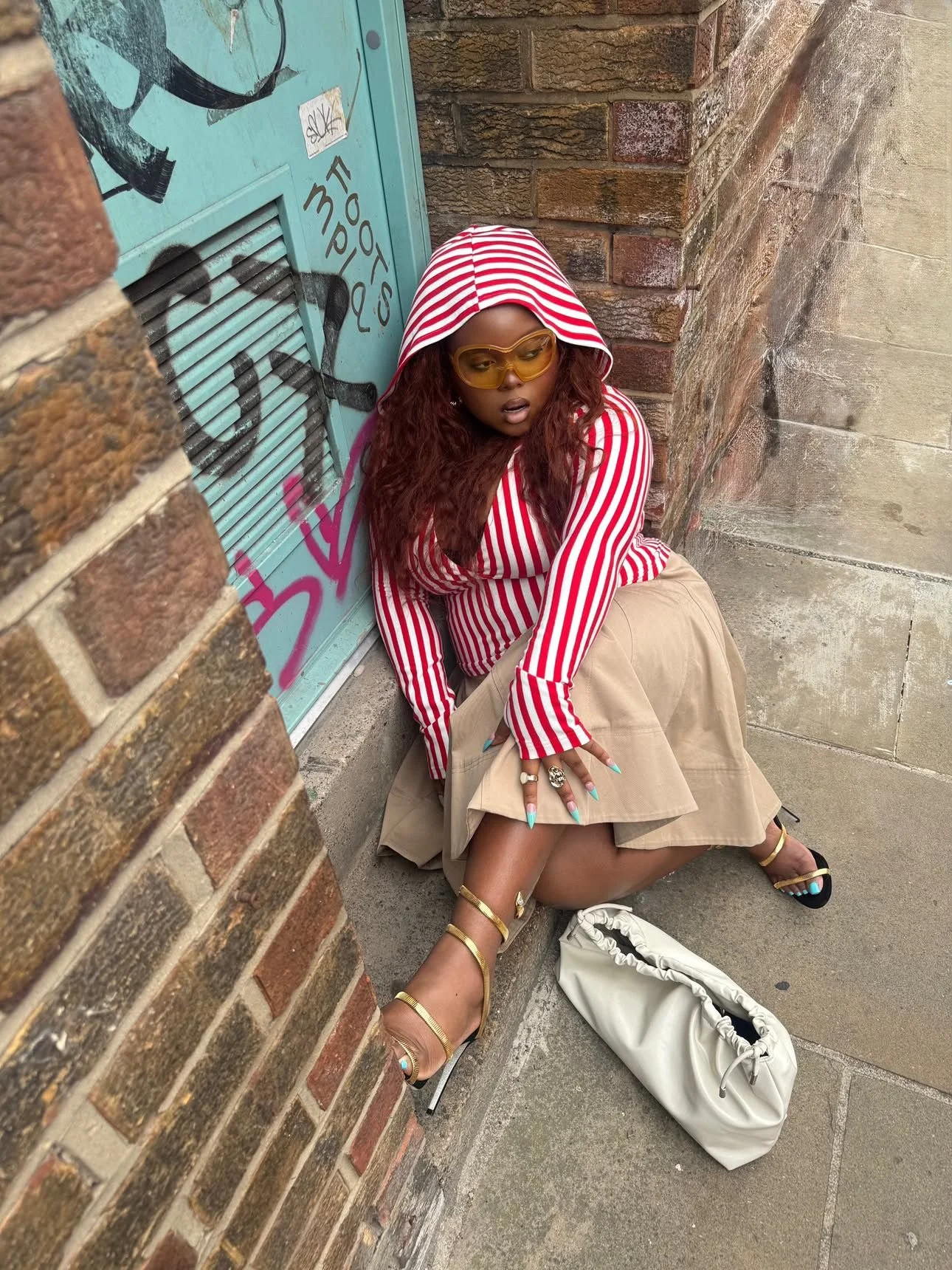
“Get Naked Infront of the Mirror”: Nyasha Saree on dressing a midsize body, finding confidence and building Tsitsi Studios
There is something wonderfully confrontational about getting dressed when you refuse to dress for the body you are supposedly meant to have.
For Nyasha Saree, fashion has never been about making herself smaller, quieter or more palatable. If anything, her approach is the opposite. Zebra print becomes a neutral. Colour is never something to be apologetic about. A skirt can be loud, a heel can be ridiculous, and an outfit does not need to fit neatly into one aesthetic, or one version of womanhood, to work.
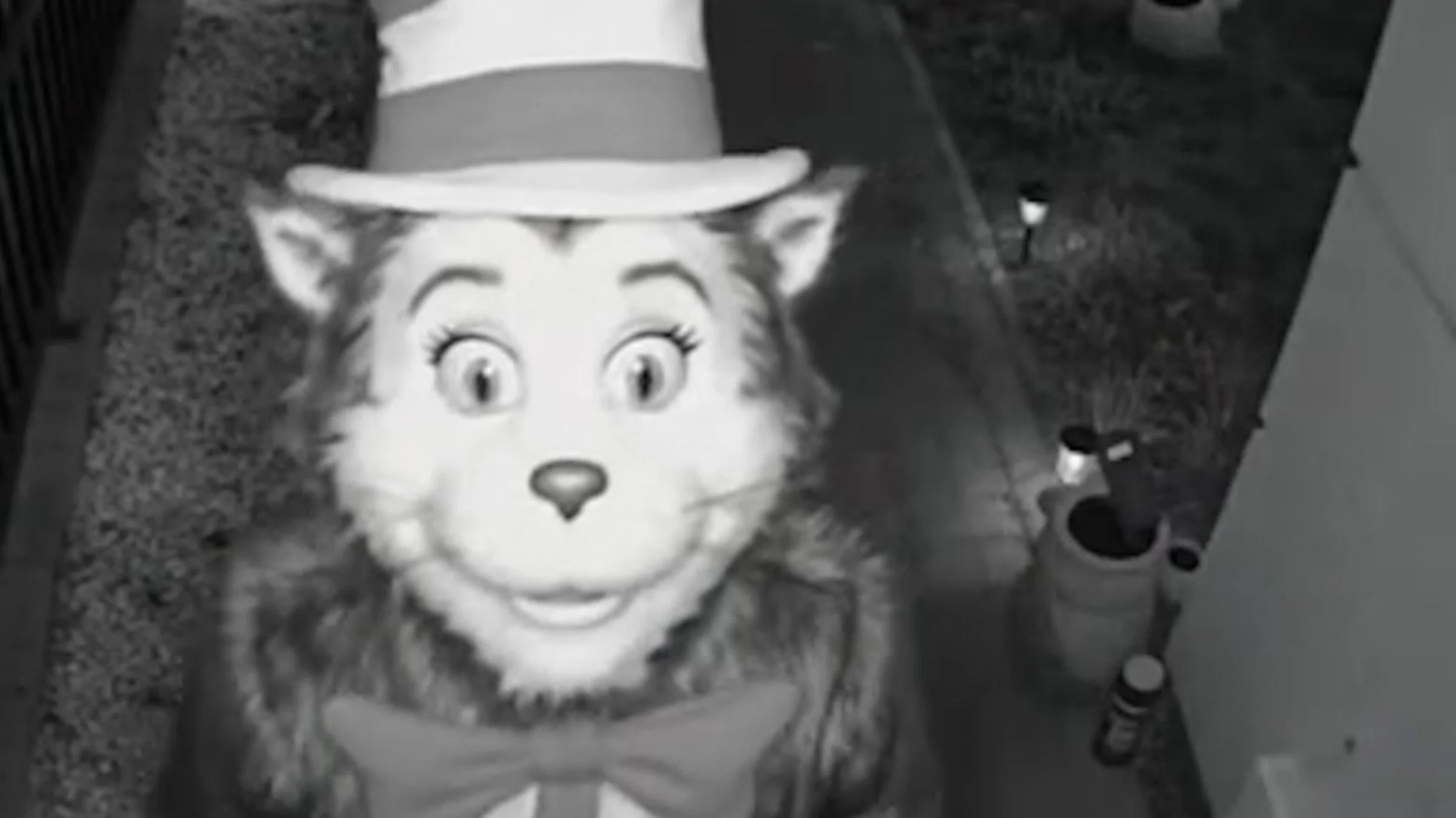
The Cat in the Hat Has Come to Glasgow, and TikTok Is Terrified
There is apparently a man in a Cat in the Hat costume terrorising Britain. He has been spotted outside houses, wandering around housing schemes and lurking beneath streetlights. Parents are warning their children, siblings are filming response videos and, somehow, even grannies have got involved. Now, according to TikTok, he has made his way to Glasgow.
Except, of course, he isn't real.
The latest Cat in the Hat panic is an AI-generated internet hoax, with images and videos placing the character into recognisable streets and residential areas. What makes it so effective is how quickly the story has become localised. It isn't simply the Cat in the Hat is scary; it is the Cat in the Hat is in Glasgow. Then he is in another town. Then another. Suddenly everyone knows someone who has supposedly seen him.
It feels remarkably similar to the killer clown panic of 2016. Back then, sinister-looking clowns were supposedly appearing outside schools, in parks and around residential areas. Some sightings were real, some were pranks and plenty were rumours, but the internet transformed them into a nationwide phenomenon. The Cat in the Hat is essentially the AI-era version: a recognisable character, a slightly sinister image, a supposed sighting and an audience ready to make it bigger.
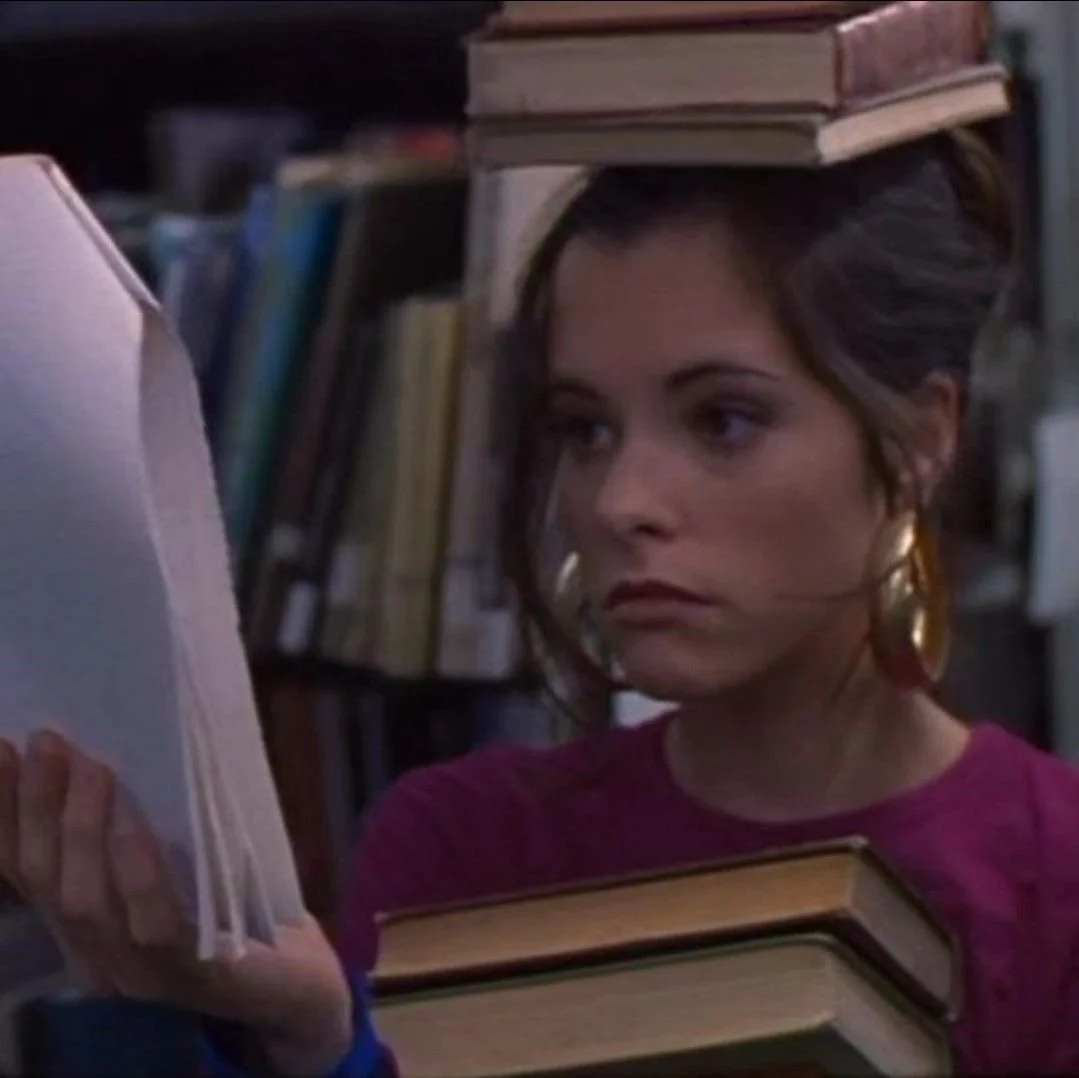
Why Everyone Feels Like They’re Behind Right Now
Recently, it feels as though everyone is late to their own lives. Late to stability, late to clarity, late to the version of adulthood they grew up expecting. Time itself hasn’t changed, but our relationship to it has. There’s a quiet pressure in the background — not dramatic, just a small tug that says you should have things figured out by now, even if you’re not sure what “figured out” is supposed to look like.

The Loneliness of Visibility: Crowded but Unseen
We live in an age of constant exposure. Every scrolling thumb, every tap, every share carries the unspoken promise of being seen. Yet somehow, being seen has become its own kind of invisibility. The feed never ends, the lights never dim. Still, we keep performing, hoping the algorithm looks back.
Our world is built to be watched. We document our trips, our opinions, our outrage. We measure our relevance by the model of our iPhone, as if the upgrade also upgrades us. But attention, as it turns out, is a weak substitute for connection. We are surrounded by images of ourselves and others, but feel increasingly unseen. Real understanding doesn’t come from visibility — it comes from community, from the slow work of being known by others over time. Building that kind of closeness takes effort, and in a culture trained for instant validation, patience feels like a lost art.

The Great Lock In: 2025’s Reset Trend For Self-Improvement
This phenomenon has taken the world by storm and interested not just the health fanatics, but another wave of Gen-Zs who want to buy into the latest craze. From 5 a.m morning routines, to breathing exercises, to extravagant facials, self-improvement and wellness trends have given people an outlet to de-stress and feel invigorated. “Locking-in” is another Gen-Z trend which has taken the internet by storm. Cue the thousands of TikTok videos all about it. Just in time for the autumn season, we’re buying planners and new stationery, beginning the ascent to achieving our own goals. Mass consumerism, an occurring trend many of us buy into like clockwork each year, seeks to perpetuate these high standards of “goal-achieving”. Perhaps we should make an effort to reduce our consumerist habits, especially in an age of climate change and the cost of living crisis. We don’t need to be buying expensive notebooks and planners. Vision boards, early mornings, and feel-good routines that work for us make it easier to “lock in” and be productive in this new phase of the year.
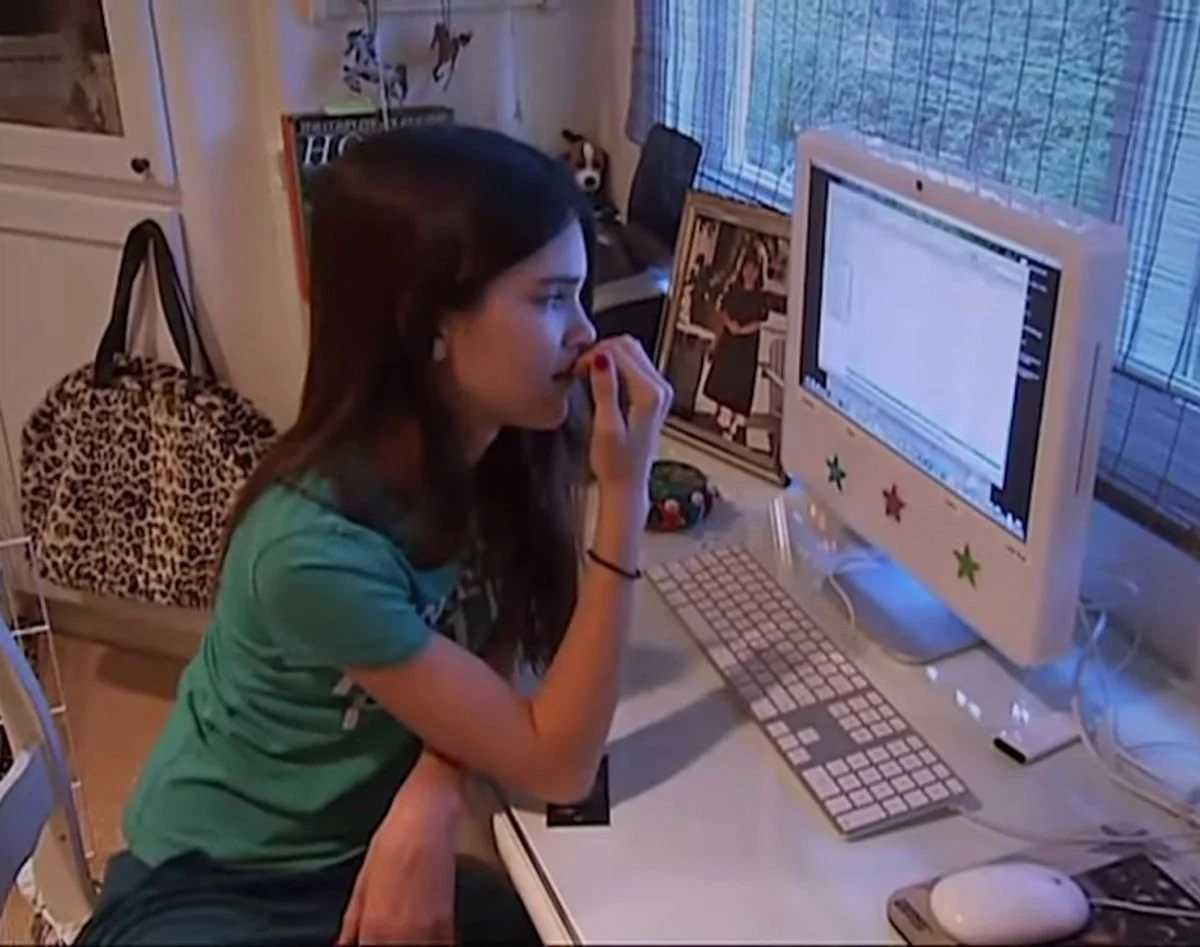
Critical Thinking Is Dying and ChatGPT Is Holding the Knife
For generations, education has prided itself on more than just memorising facts, but also the ability to think critically, to ask questions, to weigh arguments, and to sit with uncertainty. That habit is now slipping away, and the culprit is not ignorance, but convenience.
ChatGPT and similar tools offer a sense of quick clarity on demand. They generate paragraphs that flow, essays that read well, and convincing arguments. But fluency is not the same as thought. By outsourcing our thoughts to a machine, we risk losing the very skill education was meant to protect: critical thinking.

Kids in America: How Motherhood Became Political Under Trump
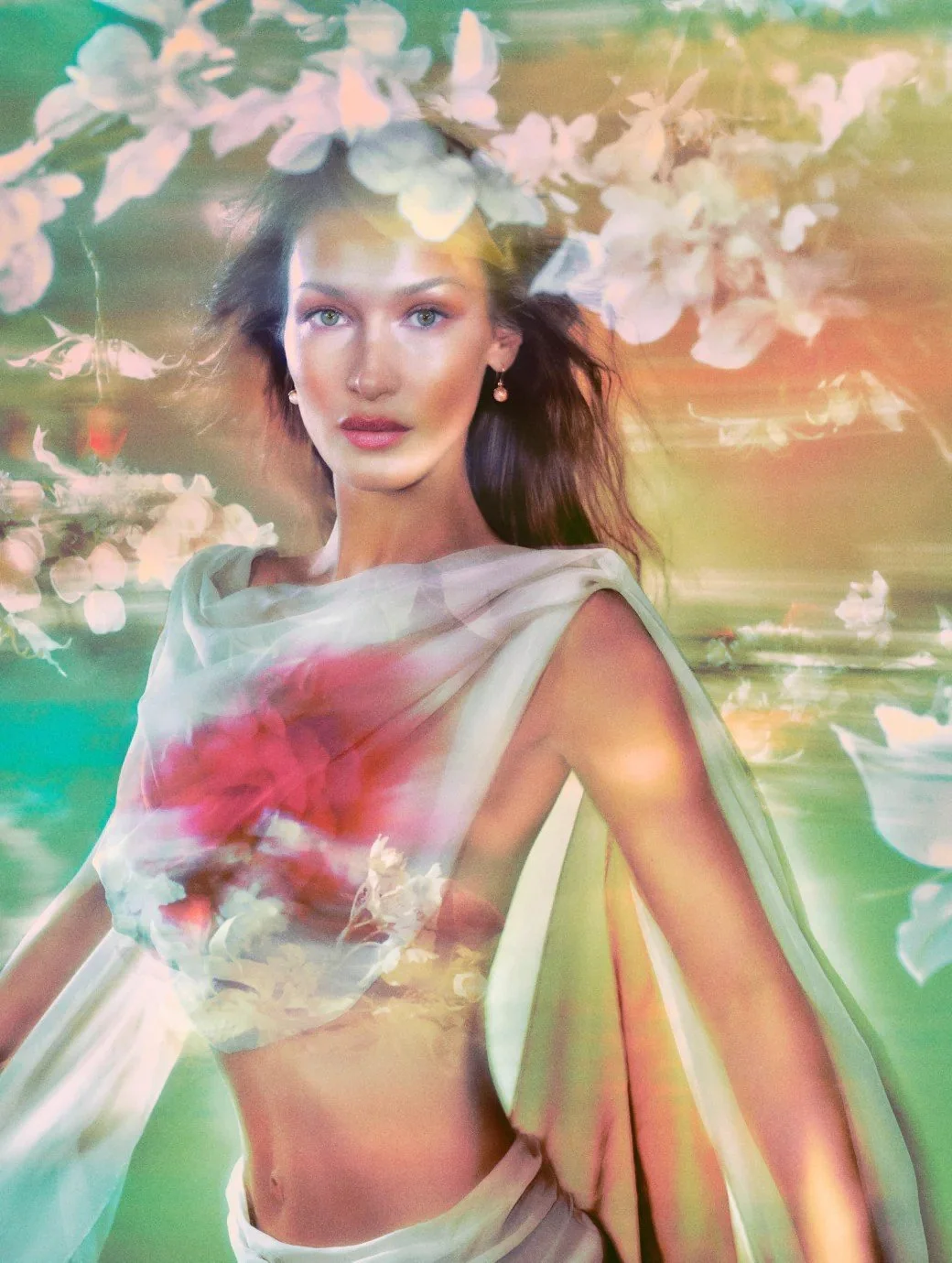
Orebella by Bella Hadid: Cash Grab or Authentic Fragrance Revolution?
Bella Hadid, the fashion icon and supermodel, launched her new perfume brand, Orebella, in May 2024. The brand offers three scents: Window2soul, Salted Muse, and Blooming Fire, available online and at Ulta stores in the US. Orebella distinguishes itself as the first intentional skin parfum, featuring alcohol-free, vegan, dermatologically tested, clean, and hydrating formulas infused with essential oils. The bi-phase formula combines hydrating snow mushrooms and five moisturizing oils (camellia, almond, olive, jojoba, and shea). It requires shaking before use to create a long-lasting fragrance.