Why Everyone Feels Like They’re Behind Right Now
Written by Lara Sayess; edited by Charlotte
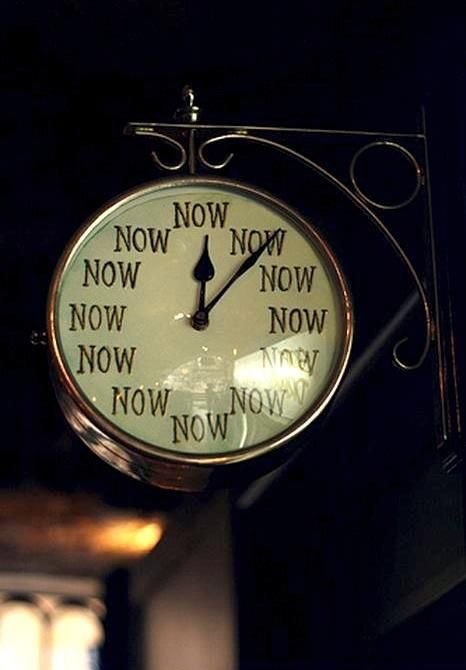
Recently, it feels as though everyone is late to their own lives. Late to stability, late to clarity, late to the version of adulthood they grew up expecting. Time itself hasn’t changed, but our relationship to it has. There’s a quiet pressure in the background — not dramatic, just a small tug that says you should have things figured out by now, even if you’re not sure what “figured out” is supposed to look like.

Once, your timeline was your own. Your family, your city, and your particular luck shaped it. You compared yourself to the few people whose lives you actually understood. Everything outside that circle was imagination, not evidence. Now timelines feel shared, almost public. Every update is packaged and posted. Someone gets engaged, someone moves abroad, someone starts a business — all appearing at the same speed, with the same confidence. When everything shows up in a single scroll, it can feel like everyone is moving faster than you, even when that isn’t true.
The internet didn’t invent comparison, but it made it constant. Our generation compares itself not only to close friends but also to strangers whose lives we only know through captions. You see one person announcing “finally moved out” and another casually posting “bought my first place” in the same ten seconds. They’re living in completely different realities, but online, it all blends. Once context fades, even unrelated milestones start to feel like invisible checklists you’re supposed to meet.
So “behind” becomes a default mood, not because you’re doing anything wrong, but because the scale of comparison is impossible to survive. The old timeline was unrealistic, but at least it was predictable. Study, work, home, marriage — all built on assumptions that no longer match the world we’re living in. We inherited the expectations without inheriting the stability that made them reasonable. The script changed, but the pressure to follow it stayed.
Meanwhile, progress has become curated. People don’t just live their milestones; they edit them, frame them, and present them. The waiting, the doubt, the 3 a.m. spirals, the “what am I even doing?” moments — none of that makes it online. You’re comparing your everyday life to someone else’s highlight reel and wondering why you’re not in the same place. The illusion works because it’s tidy. Real life is messier and much slower up close.
It helps to remember this: almost nobody actually feels ahead. Even the people posting polished achievements are usually figuring things out as they go: career, identity, relationships, money, and direction. The difference is that they’re sharing the parts that look settled. It isn’t pretending; it’s just the version of themselves they feel comfortable showing. We’ve learnt to post proof that we’re moving, even in moments when we feel lost.
Feeling “behind” only makes sense if life is linear and if everyone starts from the same point. They don’t. They never have. People move through life at different speeds, shaped by family, finances, timing, passports, and circumstances most of us will never see from the outside. The idea that we’re all supposed to hit the same milestones at the same time is tidy in theory, but it’s not how real lives unfold.
A more honest way to see it is this: you can’t be behind on a path without official steps. There is no master schedule. There is just your timeline shaped by things the internet can’t see, and by choices only you will understand. The goal isn’t to catch up; it’s to find a pace that actually feels like yours.
The feeling of being late is real. But the story that you’re “failing” because of it isn’t.
You’re not late. You’re simply not performing your progress on demand, and that’s allowed. You’re moving at the speed of your own chances, your own growth, your own timing — and your own happiness, whenever it arrives.
And that kind of timeline can’t be compared, measured, or rushed. Which means, by its own logic, it can never really be behind.