


The Loneliness of Visibility: Crowded but Unseen
We live in an age of constant exposure. Every scrolling thumb, every tap, every share carries the unspoken promise of being seen. Yet somehow, being seen has become its own kind of invisibility. The feed never ends, the lights never dim. Still, we keep performing, hoping the algorithm looks back.
Our world is built to be watched. We document our trips, our opinions, our outrage. We measure our relevance by the model of our iPhone, as if the upgrade also upgrades us. But attention, as it turns out, is a weak substitute for connection. We are surrounded by images of ourselves and others, but feel increasingly unseen. Real understanding doesn’t come from visibility — it comes from community, from the slow work of being known by others over time. Building that kind of closeness takes effort, and in a culture trained for instant validation, patience feels like a lost art.
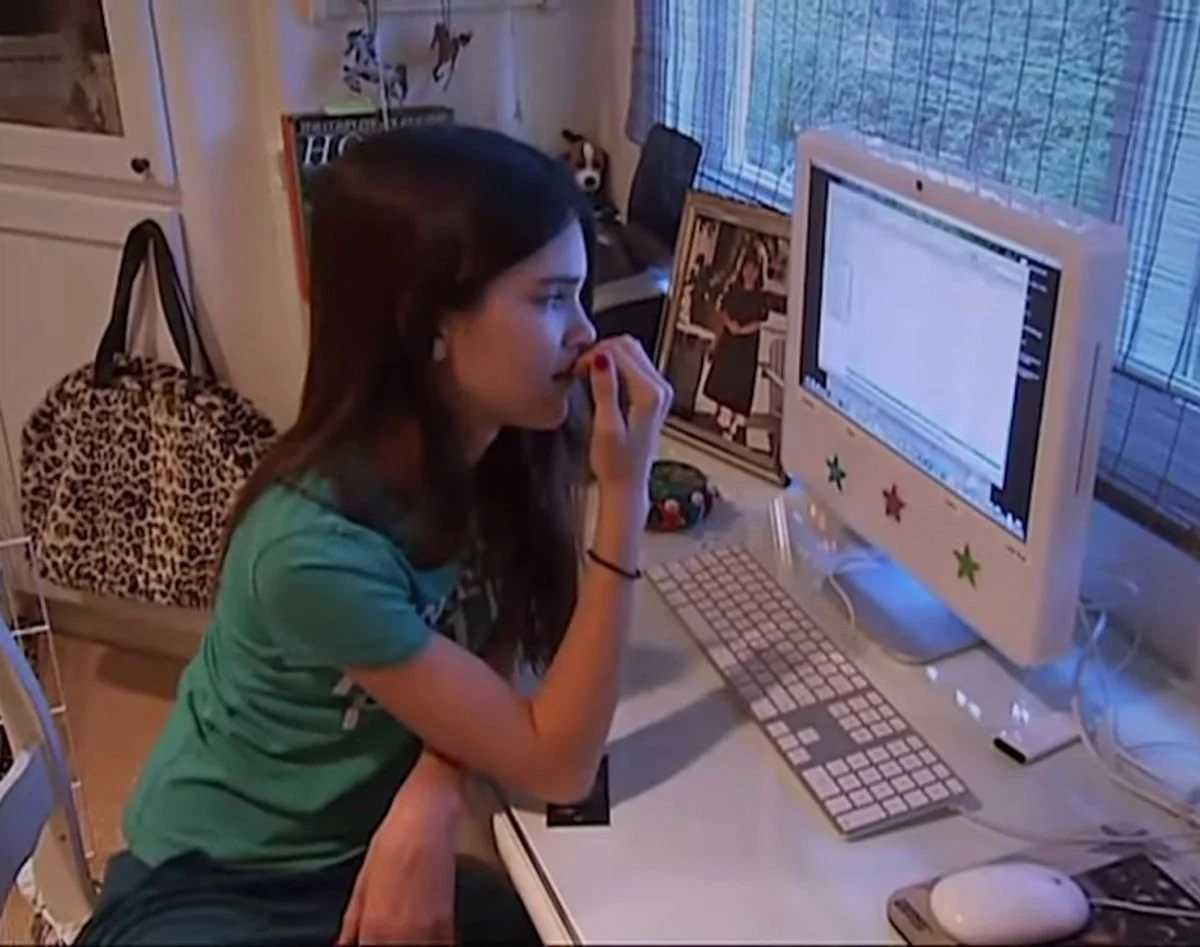
Critical Thinking Is Dying and ChatGPT Is Holding the Knife
For generations, education has prided itself on more than just memorising facts, but also the ability to think critically, to ask questions, to weigh arguments, and to sit with uncertainty. That habit is now slipping away, and the culprit is not ignorance, but convenience.
ChatGPT and similar tools offer a sense of quick clarity on demand. They generate paragraphs that flow, essays that read well, and convincing arguments. But fluency is not the same as thought. By outsourcing our thoughts to a machine, we risk losing the very skill education was meant to protect: critical thinking.