

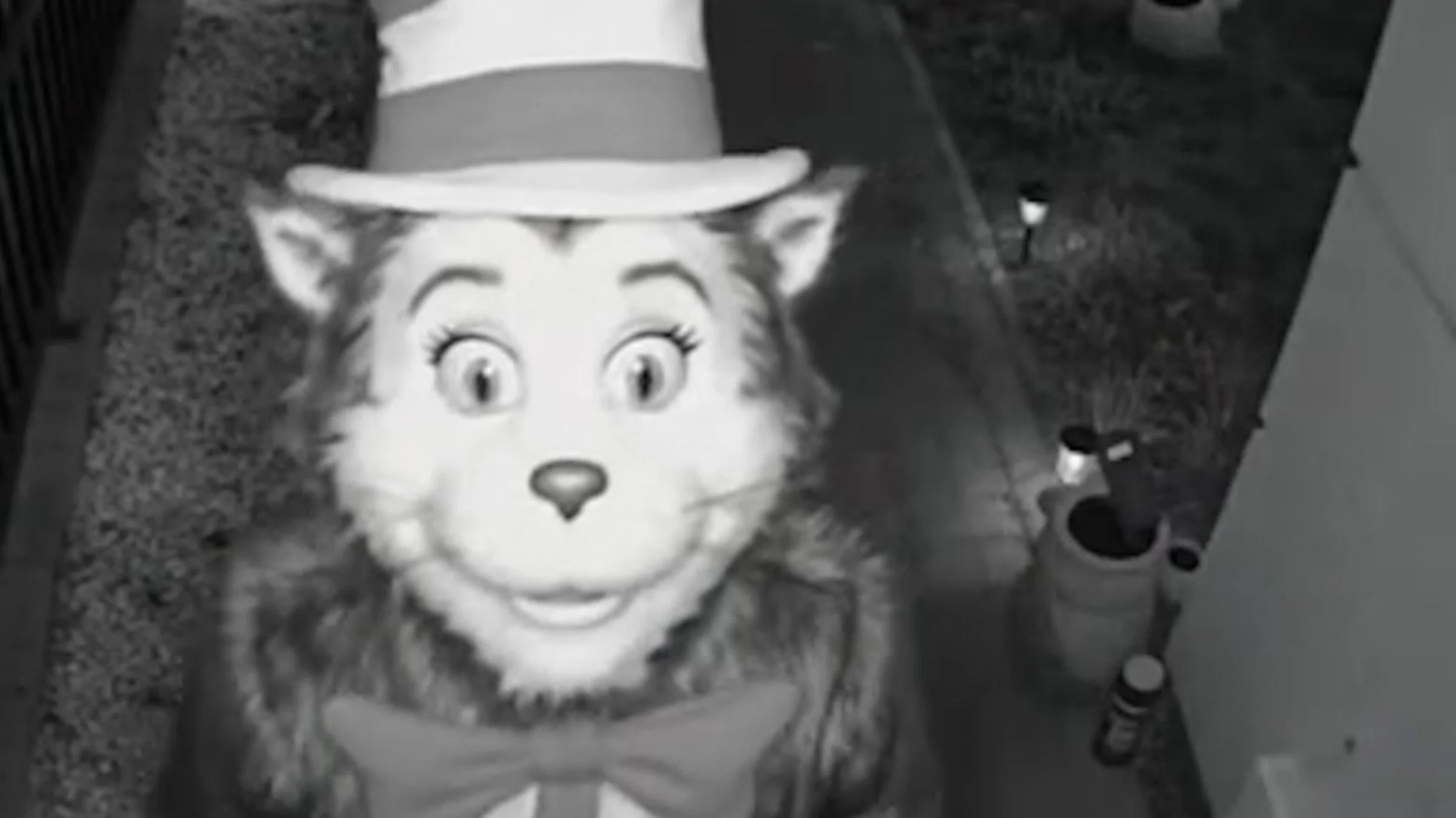
The Cat in the Hat Has Come to Glasgow, and TikTok Is Terrified
There is apparently a man in a Cat in the Hat costume terrorising Britain. He has been spotted outside houses, wandering around housing schemes and lurking beneath streetlights. Parents are warning their children, siblings are filming response videos and, somehow, even grannies have got involved. Now, according to TikTok, he has made his way to Glasgow.
Except, of course, he isn't real.
The latest Cat in the Hat panic is an AI-generated internet hoax, with images and videos placing the character into recognisable streets and residential areas. What makes it so effective is how quickly the story has become localised. It isn't simply the Cat in the Hat is scary; it is the Cat in the Hat is in Glasgow. Then he is in another town. Then another. Suddenly everyone knows someone who has supposedly seen him.
It feels remarkably similar to the killer clown panic of 2016. Back then, sinister-looking clowns were supposedly appearing outside schools, in parks and around residential areas. Some sightings were real, some were pranks and plenty were rumours, but the internet transformed them into a nationwide phenomenon. The Cat in the Hat is essentially the AI-era version: a recognisable character, a slightly sinister image, a supposed sighting and an audience ready to make it bigger.
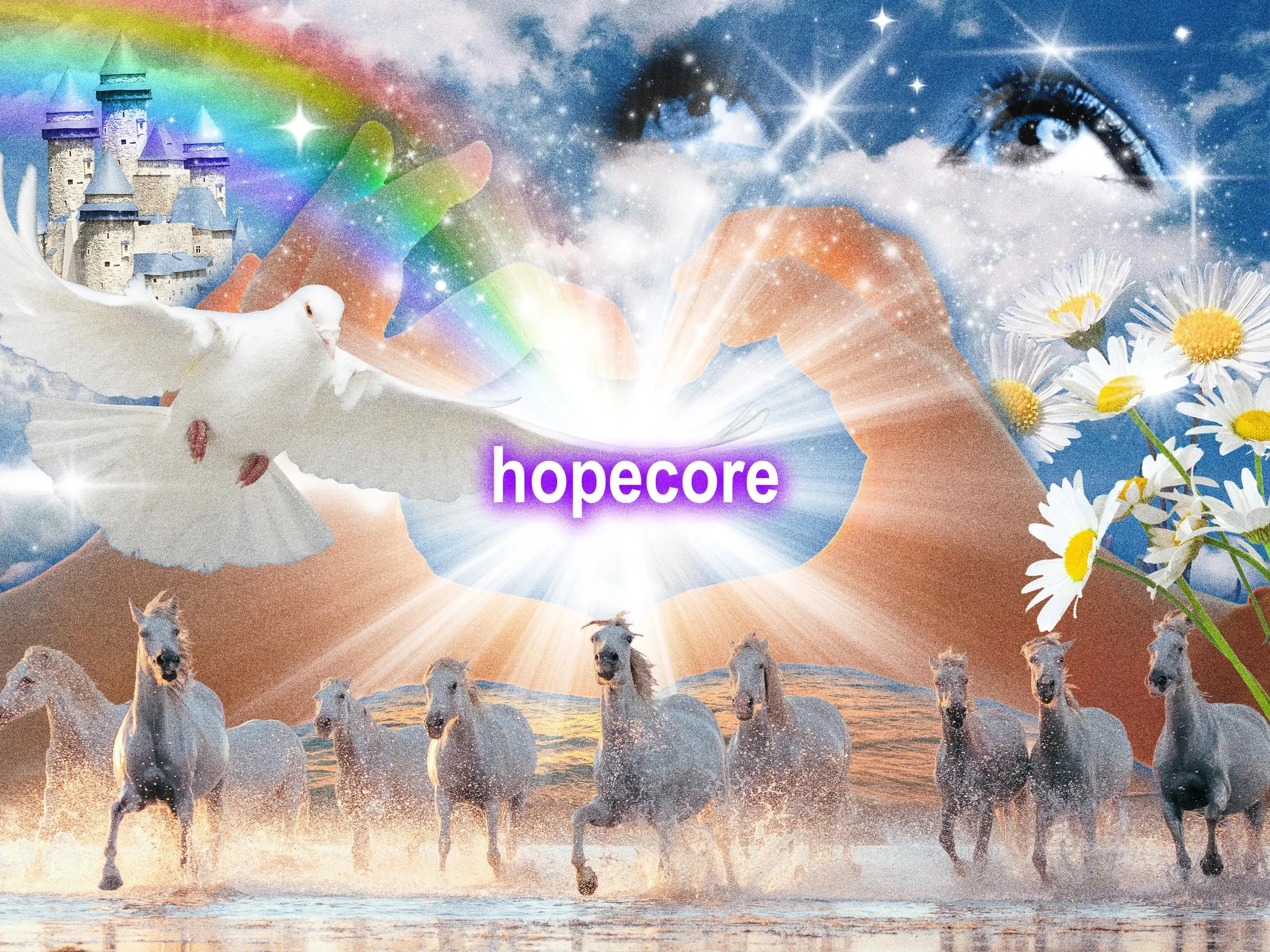
Cyberfeminism Now: Hopecore, Cyborgs, and the Platformed Self
There is something distinctly cyberfeminist about hopecore; the strange, dissonant meme format pairing low-resolution animals with WordArt affirmations and early, internet aesthetics. Its visual language recalls the surreal gloss of 1990s desktop environments, evoking a moment when the internet still felt unstable, open, and full of possibility. Yet hopecore is not utopian. It emerges from what Polyester mag describes as a “fragmented soup of life,” in which online culture mirrors a broader social drift toward disarray, and where existentialism and nihilism increasingly underpin everyday experience (Quin, 2026.).
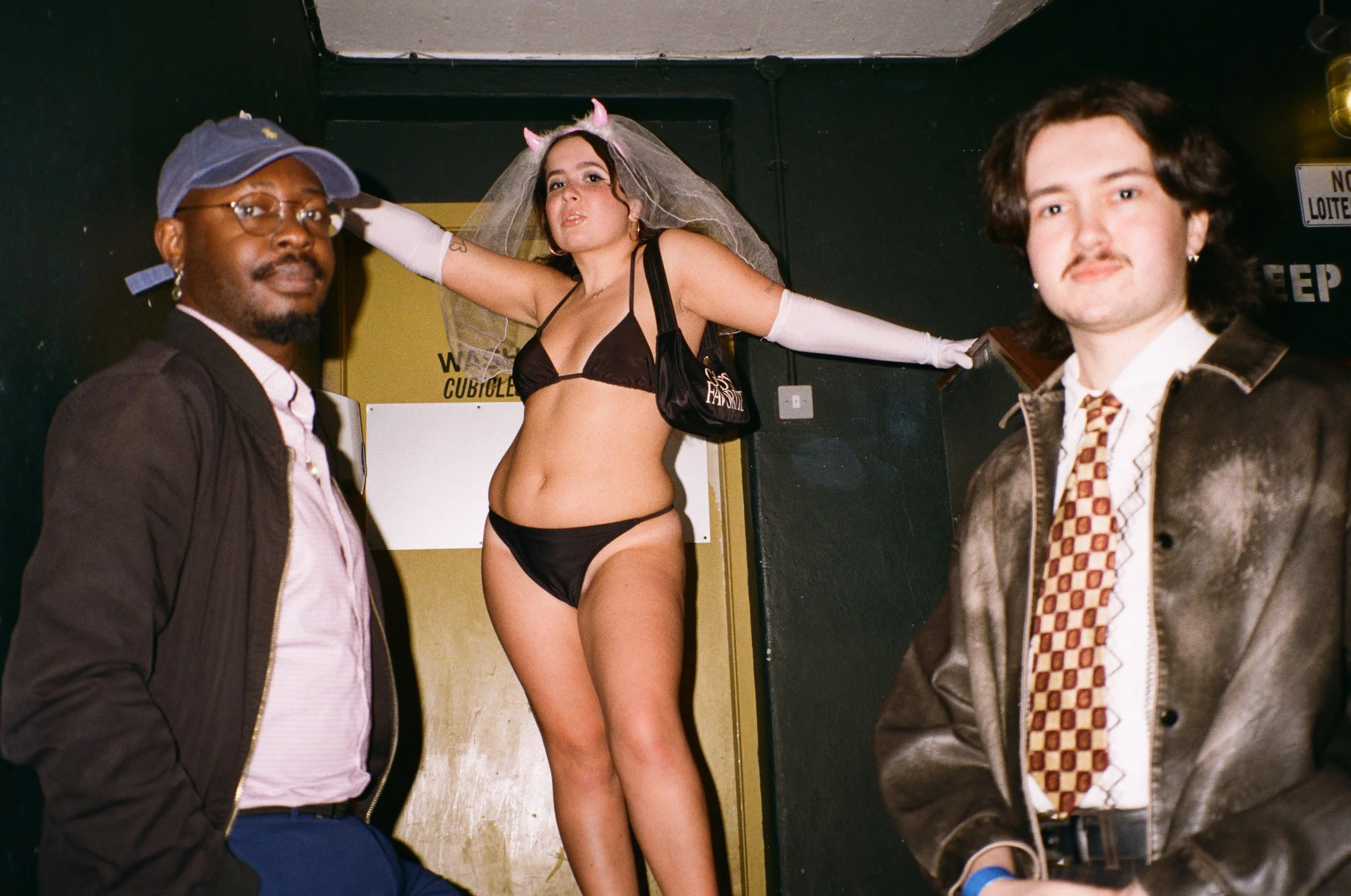
Where Girls Aloud meets Fiona Apple: Medb - Glasgow’s new rising star
Glasgow’s music scene has a new star on the rise: Medb, a singer-songwriter whose unique blend of pop, post-punk, and experimental sounds has been turning heads across the UK. From her early days in Belfast to her current life in Glasgow, Medb’s journey has been defined by resilience, creativity, and an unwavering commitment to her artistic vision
Music was in Medb’s blood from the very beginning. Both of her parents were recording musicians, regularly played on local radio, and introduced her to the thrill of performing from a young age. Alongside her brothers, who also formed their own band, Medb grew up immersed in music, singing into tape recorders and experimenting on a second-hand Yamaha keyboard. By her mid-teens, she was writing original songs, setting the foundation for the career she is pursuing today.
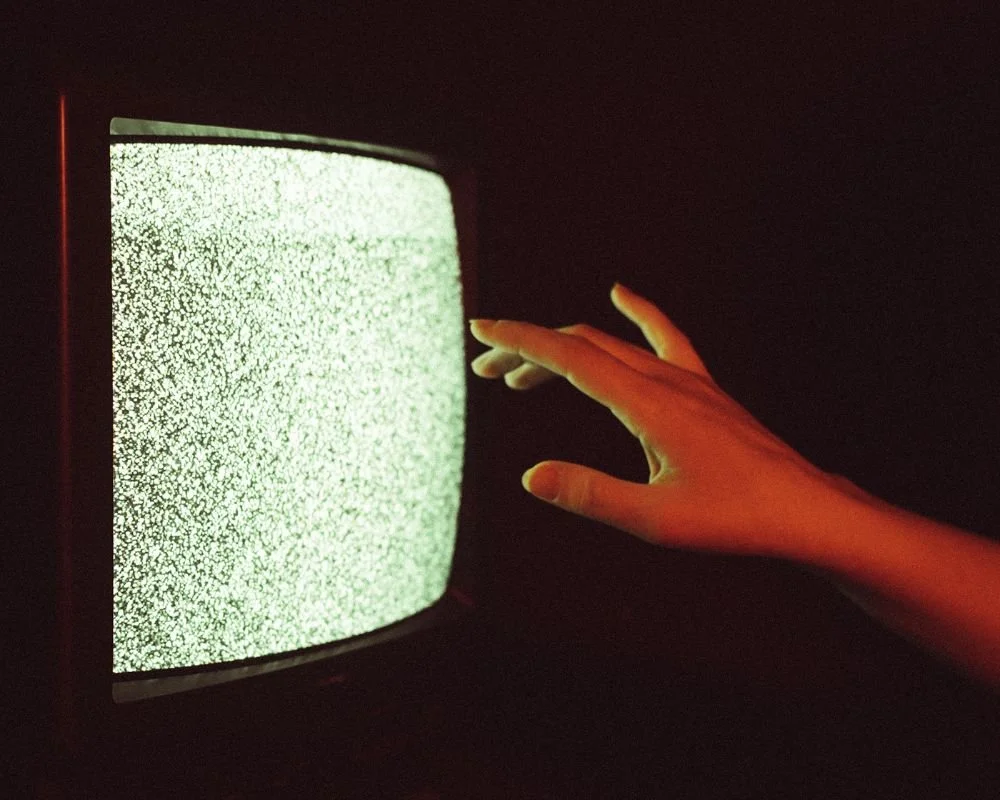
The Loneliness of Visibility: Crowded but Unseen
We live in an age of constant exposure. Every scrolling thumb, every tap, every share carries the unspoken promise of being seen. Yet somehow, being seen has become its own kind of invisibility. The feed never ends, the lights never dim. Still, we keep performing, hoping the algorithm looks back.
Our world is built to be watched. We document our trips, our opinions, our outrage. We measure our relevance by the model of our iPhone, as if the upgrade also upgrades us. But attention, as it turns out, is a weak substitute for connection. We are surrounded by images of ourselves and others, but feel increasingly unseen. Real understanding doesn’t come from visibility — it comes from community, from the slow work of being known by others over time. Building that kind of closeness takes effort, and in a culture trained for instant validation, patience feels like a lost art.

The Great Lock In: 2025’s Reset Trend For Self-Improvement
This phenomenon has taken the world by storm and interested not just the health fanatics, but another wave of Gen-Zs who want to buy into the latest craze. From 5 a.m morning routines, to breathing exercises, to extravagant facials, self-improvement and wellness trends have given people an outlet to de-stress and feel invigorated. “Locking-in” is another Gen-Z trend which has taken the internet by storm. Cue the thousands of TikTok videos all about it. Just in time for the autumn season, we’re buying planners and new stationery, beginning the ascent to achieving our own goals. Mass consumerism, an occurring trend many of us buy into like clockwork each year, seeks to perpetuate these high standards of “goal-achieving”. Perhaps we should make an effort to reduce our consumerist habits, especially in an age of climate change and the cost of living crisis. We don’t need to be buying expensive notebooks and planners. Vision boards, early mornings, and feel-good routines that work for us make it easier to “lock in” and be productive in this new phase of the year.