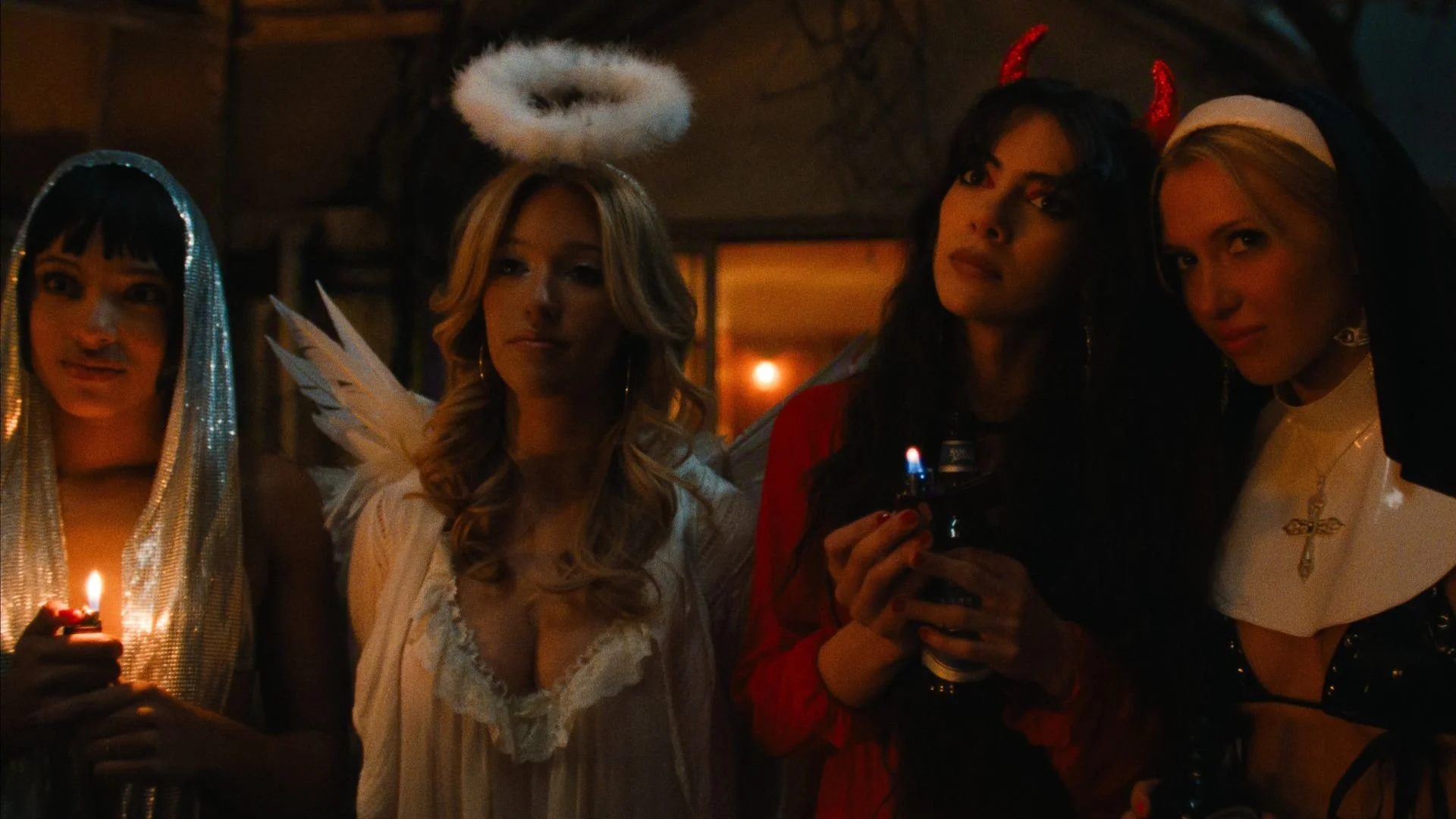
If there is one thing television has been missing, it is a group of Catholic schoolgirls behaving terribly. Netflix's The Body delivers exactly that, and then some. Set in 2004, The Body follows a group of Catholic schoolgirls whose Halloween celebrations take a rather unfortunate turn after a party, some ecstasy and a mock Satanic ritual leave one of their classmates, Grace Franklin, in a coma. What follows is a spiralling tale of guilt, paranoia, supposed miracles and mass hysteria, as the girls begin experiencing visions of Grace. Naturally, nobody makes particularly sensible decisions.
Created by Quinn Shephard, the series manages to captures the strange intensity of being a teenage girl, where everything feels simultaneously life-ending and completely insignificant. One minute you're navigating the politics of a school dance team, the next you're convinced your classmate is communicating with you from beyond the grave. Just another Wednesday, really.
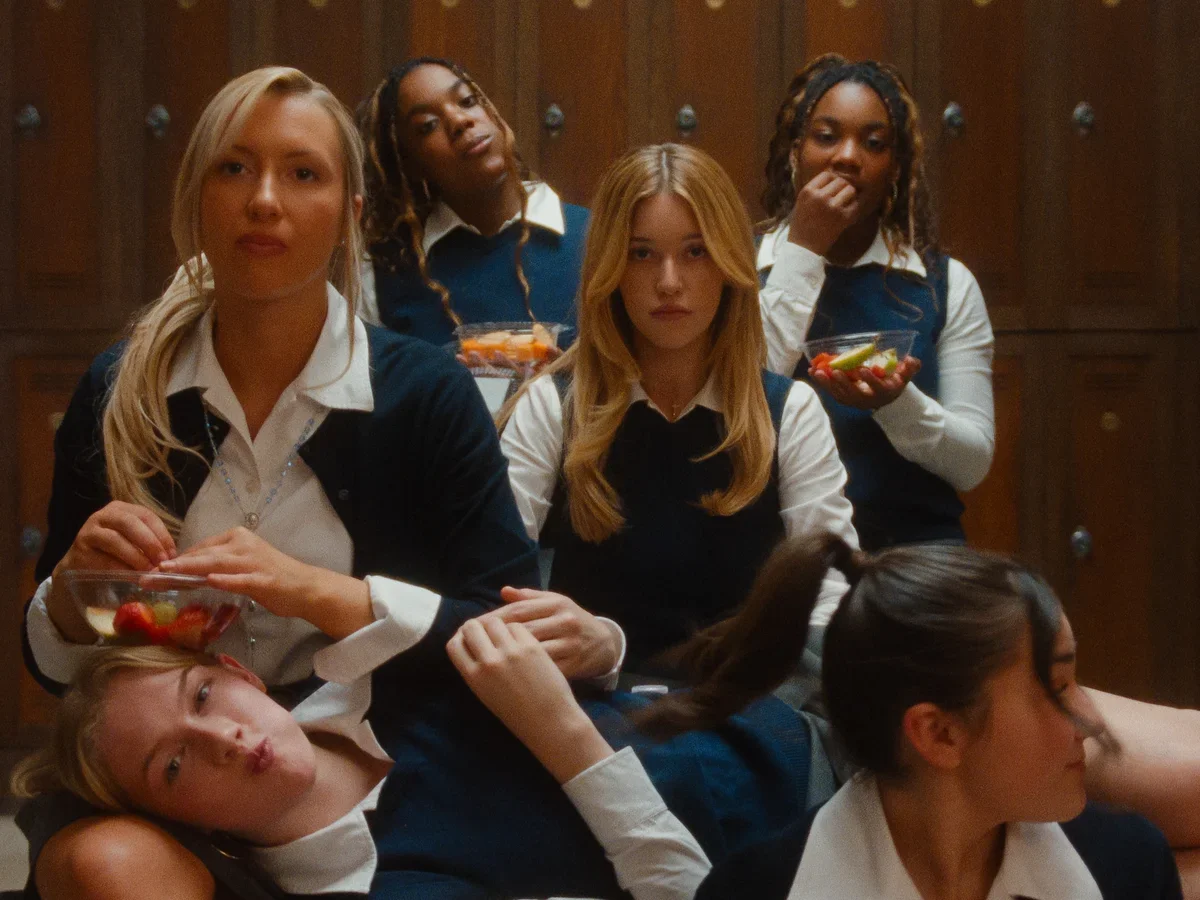
What makes The Body so compelling is that beneath its supernatural premise sits a genuinely fascinating exploration of girlhood, sexuality, religion and the social hierarchies that govern teenage life. At the centre of it all are Anya Butler (Kristina Bogic) and Elise Zakaria (Sara Boustany), the school's resident dance team members. Anya is the popular, socially hyperaware queen bee, while Elise is her sharp-tongued, unapologetic counterpart. Their relationship is complicated, to say the least. Anya is desperately attempting to suppress her feelings for her best friend, while Elise is considerably less interested in pretending that their relationship is anything other than what it is.
Their relationship is one of the series' strongest threads, capturing the particular tension of queer adolescence in the early 2000s. There is something especially interesting about watching young women navigate their sexuality within an environment so deeply rooted in religious conservatism. Desire becomes something to conceal, confess, punish and ultimately reckon with. The result is a relationship that feels messy, frustrating and wonderfully human.
The casting is another of the show's biggest strengths. Much of the younger ensemble is made up of relatively unfamiliar faces, including Bogic, Boustany and Geena Meszaros, who plays the increasingly sinister Lisbeth Anderson. Rather than relying on an ensemble of recognisable television regulars, The Body gives its younger performers room to establish themselves. They bring an unpredictability to the characters that makes the increasingly absurd events feel all the more convincing. It’s exciting to see a series give emerging actresses the opportunity to carry such a substantial story.
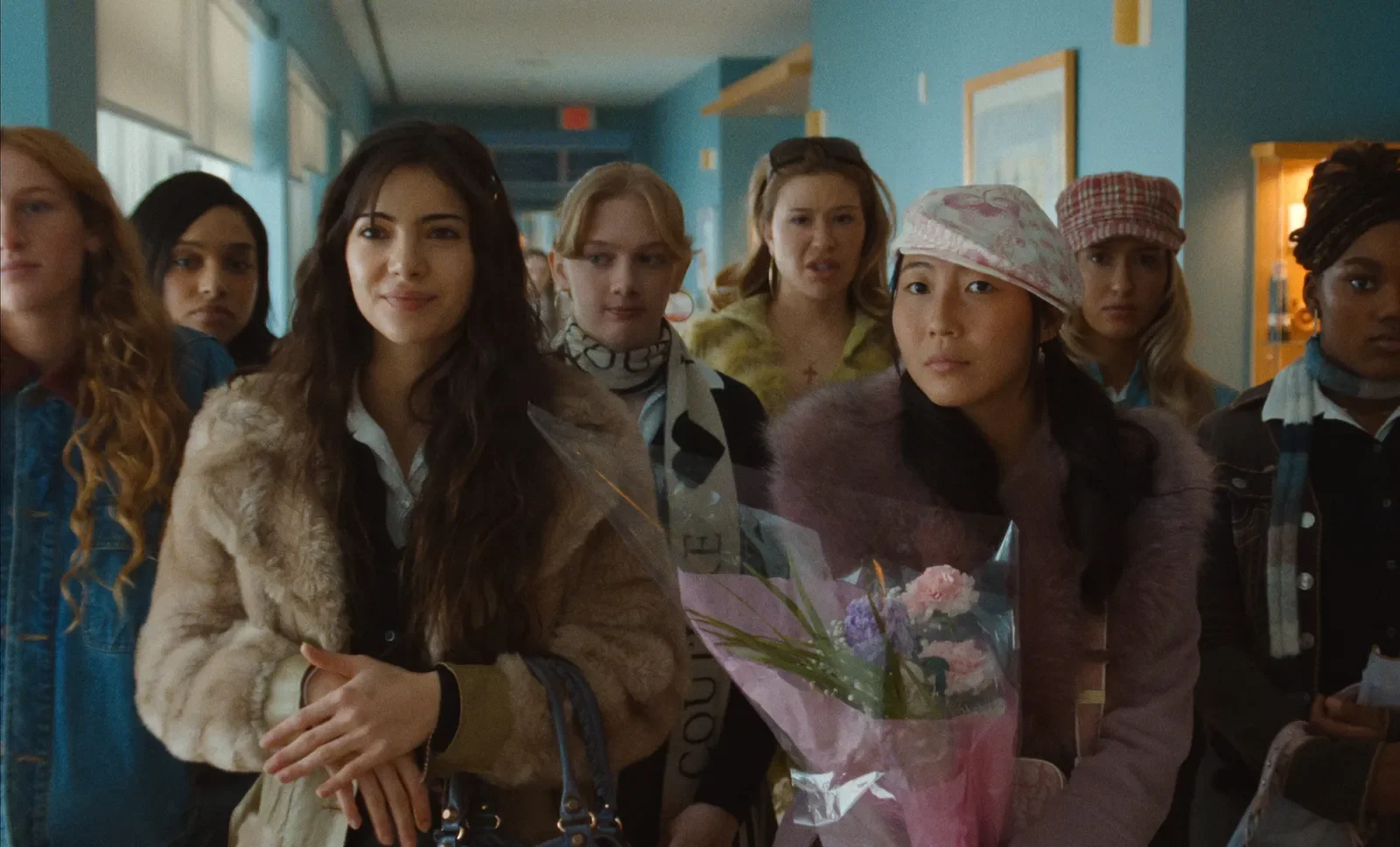
Then there is the aesthetic. Set in 2004, the series is a wonderfully nostalgic exercise in pre-smartphone teenage culture. MSN-style instant messaging, questionable fashion choices, dance team uniforms, low-rise silhouettes and the general atmosphere of the early millennium all contribute to a world that feels wonderfully nostalgic. It is not simply a case of throwing a few flip phones into the background and calling it Y2K. The period setting actually informs the story, particularly the way rumours spread, secrets are exchanged and teenage girls communicate with one another.
And the soundtrack? Killer. The Body’s musical accompaniment makes you want to immediately create a playlist, dig out your old iPod and spend an unreasonable amount of time romanticising a decade that was, in reality, probably quite terrible to live through. What I particularly love about The Body is its willingness to be completely excessive. It is dramatic, occasionally ridiculous, darkly funny and entirely unafraid of leaning into the bizarre. There are moments when you genuinely have to question whether you are watching a supernatural horror, a coming-of-age drama or an elaborate commentary on religious fanaticism. The answer, thankfully, is all three.
The series cleverly examines the relationship between female sexuality and religious shame. The girls are constantly being watched, judged and disciplined, whether by their families, their school, their community or each other. Their bodies become sites of suspicion and spectacle, while the idea of female purity is repeatedly weaponised against them. And, naturally, not everyone is particularly thrilled about it. In fact, The Body has already found itself at the centre of a rather spectacular culture war. As The Gay Times reported, a petition calling for Netflix to cancel the series attracted more than 112,000 signatures, with organisers branding it a "blasphemous anti-Christian series featuring Satanic ritual" and accusing the streaming platform of "defiling the faith of millions of Christian families".
The petition, addressed to Netflix's Chief Content Officer, Peter Rice, takes particular issue with the show's tagline, "Pray hard and sin harder". But perhaps the most interesting thing about the controversy is what it says about the discomfort surrounding queer stories told through religious settings. The Body places sapphic desire, Catholic guilt and female sexuality directly alongside one another, refusing to separate the supposedly sacred from the supposedly sinful. For creator Quinn Shephard, the subject matter is deeply personal. Speaking to The Gay Times, Shephard described the series as her most personal work yet, drawing on her own experiences of growing up queer, repressed and navigating the confusion surrounding sexuality and spirituality. She also called it a love letter to the Y2K films that shaped her, including Jennifer's Body, Heavenly Creatures and Mean Girls.
Whether the petitioners like it or not, The Body has certainly got people talking. And perhaps that is part of its cultural significance: a series about teenage girls, their bodies and their desires has managed to cause a very grown-up stir. Is it perfect? Not necessarily. It is occasionally chaotic, and some of its storylines are so heightened that you have to suspend your disbelief entirely. But perhaps that is part of the appeal. Not every teen drama needs to be grounded, polished and painfully self-serious. Sometimes we need eight episodes of Catholic schoolgirl hysteria, complicated queer relationships and a group of teenagers making increasingly catastrophic decisions.
The Body is camp, clever and completely committed to its own madness. It has the makings of a cult favourite, and I would happily spend another eight episodes with these girls. Consider this my formal request for a second season.