A Storm Without the Weather: Wuthering Heights (2026) Review
Written by Charlotte Lewis
Emerald Fennell’s adaptation of Wuthering Heights is, at its core, a very basic retelling of a novel that is anything but. Stripped of its narrative complexity, its generational cruelty, and its social and racial unease, the film flattens Brontë’s vicious, unsettling masterpiece into something that feels closer to fan fiction than faithful reinterpretation.
The most immediate loss is structural. Brontë’s novel is defined by its framing devices; by mediation, distance, and unreliable narration. Removing Nelly Dean as narrator is not a neutral choice; it fundamentally alters the moral texture of the story. Without Nelly’s judgement, complicity, and exhaustion, the film loses its sense of consequence. What remains is a direct, romanticised telling that smooths over the novel’s cruelty rather than interrogating it.
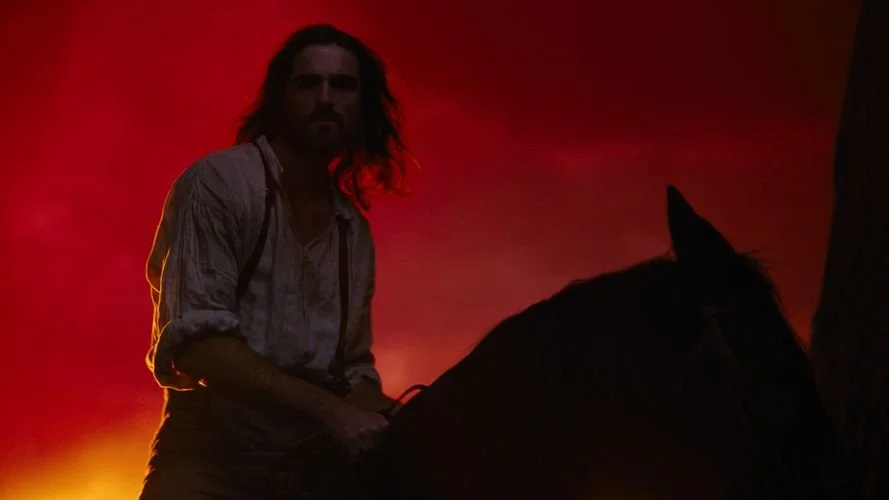
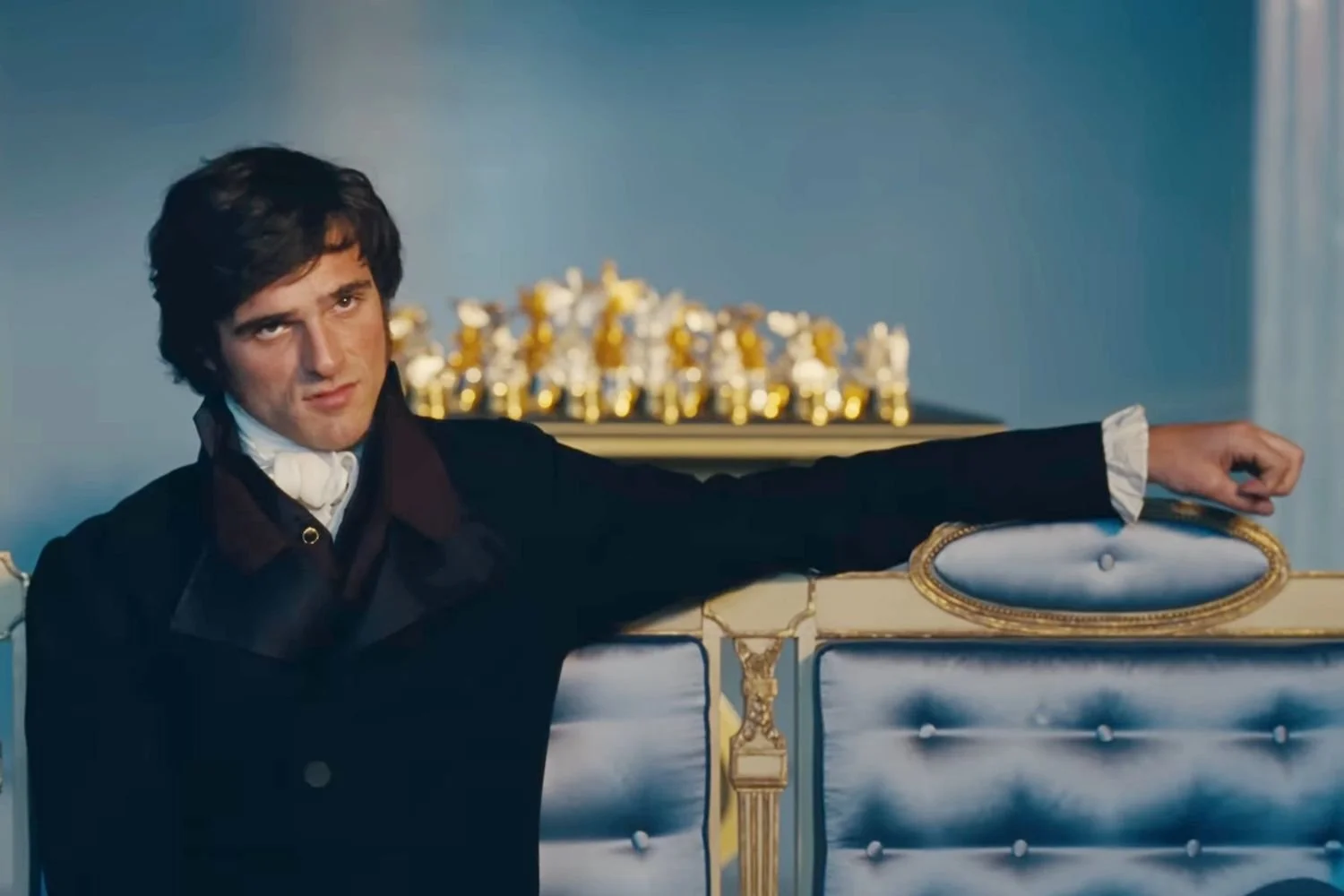
Margot Robbie is, as ever, a phenomenal actress, but chemistry is not something that can be willed into existence. Her Catherine and Jacob Elordi’s Heathcliff never quite ignite. I still cried, so clearly something emotional landed, but it felt more like grief for the source material than belief in their relationship. Elordi can do an accent, technically, but the performance has the faint air of a director hearing it once and saying, “Yeah, that’ll do.” He is undeniably gorgeous, but he never convinces as Heathcliff. Frankly, he’d make an excellent Darcy.
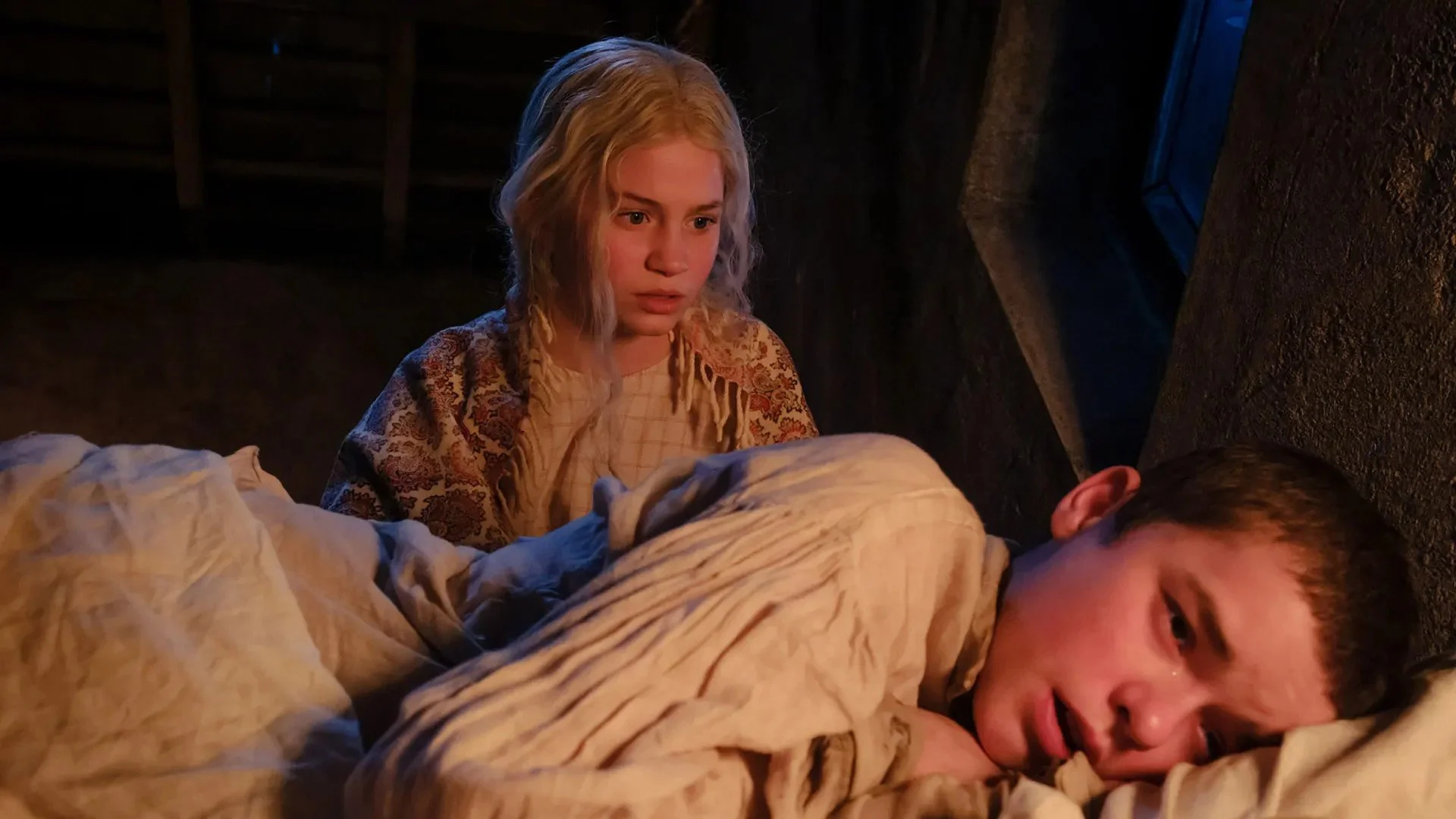
By contrast, the young Catherine and Heathcliff are extraordinary, particularly the young Heathcliff. Their performances are raw, believable, and genuinely moving, capturing the feral intimacy and violence of childhood attachment. For a moment, the film becomes what it should have been: intense and emotionally dangerous.
That danger never returns. The set design is bafflingly inert. The moors are meant to feel hostile, isolating, and perilous, especially at night, but there is no sense that walking across them poses any threat at all. Wuthering Heights should feel like a place that corrodes everyone inside it; here, it feels oddly stagey and safe.
The omissions are staggering. Entire arcs are erased: Catherine’s illness and death after childbirth; Heathcliff’s obsession tipping into grave desecration; Isabella’s escape and suffering; the second generation; Cathy, Linton, Hareton, who exist to show how trauma reproduces itself unless actively broken. Without them, the story loses its moral endpoint. Wuthering Heights is not a doomed love story; it is a study of how abuse metastasises across time. Ending before that reckoning neuters the novel entirely.
This flattening is especially frustrating given the novel’s engagement with race and class. Heathcliff’s racial ambiguity, so explicit and so unsettling in Brontë’s text, is left out entirely. The violence of his othering, the way he is treated as property, animal, or demon, is replaced with a vague outsider aesthetic. Likewise, Brontë’s sharp understanding of the precariousness of the gentry, of class as something policed, brittle, and cruel—is absent. Fennell’s class commentary has always been her weakest point, and here it is simply non-existent.
The soundtrack choices only underline this confusion. Either commit fully, go full Charli XCX, or don’t include her at all. The half-measure pulls you out of the period entirely. And while we’re here: where was Kate Bush? If you’re going to modernise Wuthering Heights, ignoring its most iconic musical afterlife feels almost perverse.
The costumes are similarly inconsistent. Historically inaccurate, yes, but occasionally stunning. The black funeral veil, in particular, moves like water and is genuinely beautiful. These flashes of visual brilliance only make the rest feel more underthought.
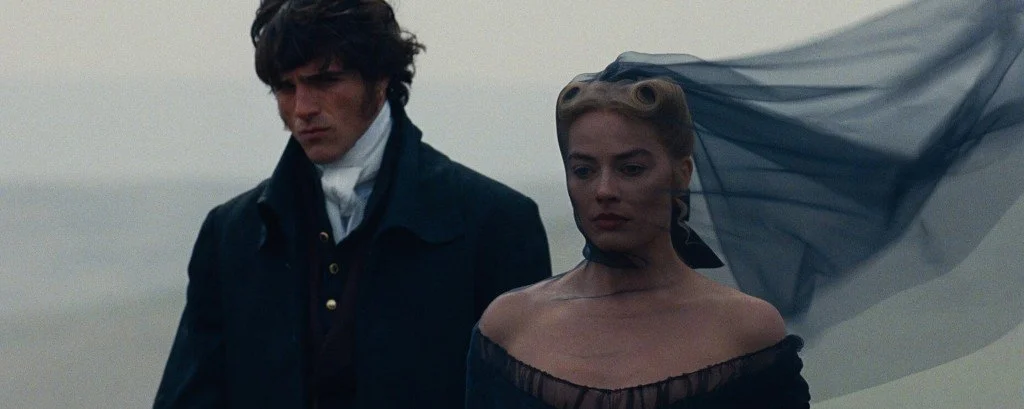
Ultimately, the film reveals more about Emerald Fennell than about Emily Brontë. There’s a growing sense that Fennell read Wuthering Heights as a swoony teenager, misinterpreting abuse as passion and obsession as romance, and that this reading calcified into an artistic worldview. Recasting Cathy and Heathcliff as doomed lovers locked in mutual, acrimonious kink is certainly watchable but the film never becomes discomforting enough to justify the loss of everything else.
Wuthering Heights should make you feel uneasy. This one mostly just feels empty.