

Fashion is Art, and Art Belongs to the People (Met 2026)
By Cayden Riley edited by Charlotte Lewis
The first Monday in May is a date fashion lovers around the world know well. This is the beauty and importance of fashion: like art, music, cinema, and poetry, fashion allows people to escape reality and become someone new.
The theme of the 2026 Met Gala, Fashion Is Art, was exciting for many reasons, most importantly because fashion has long been looked down upon within the art world. The Met Gala itself is a fundraiser for the Costume Institute at the museum, which originally struggled for recognition because fashion was not considered “real art” in the same way as painting or sculpture. This year’s theme finally acknowledged, on a large scale, that fashion is art, and its recognition as such feels incredibly significant.
The theme also offered huge creative potential. People wanted extravagance, garments that would never appear on a typical red carpet. Instead, what we received were underwhelming gowns and casual blue jeans. As expected, many of the men arrived in predictable black tuxedos, with only a few standing out: Luke Evans in Palomo Spain, Jordan Roth in Robert Wun, and Sam Smith in Christian Cowan.
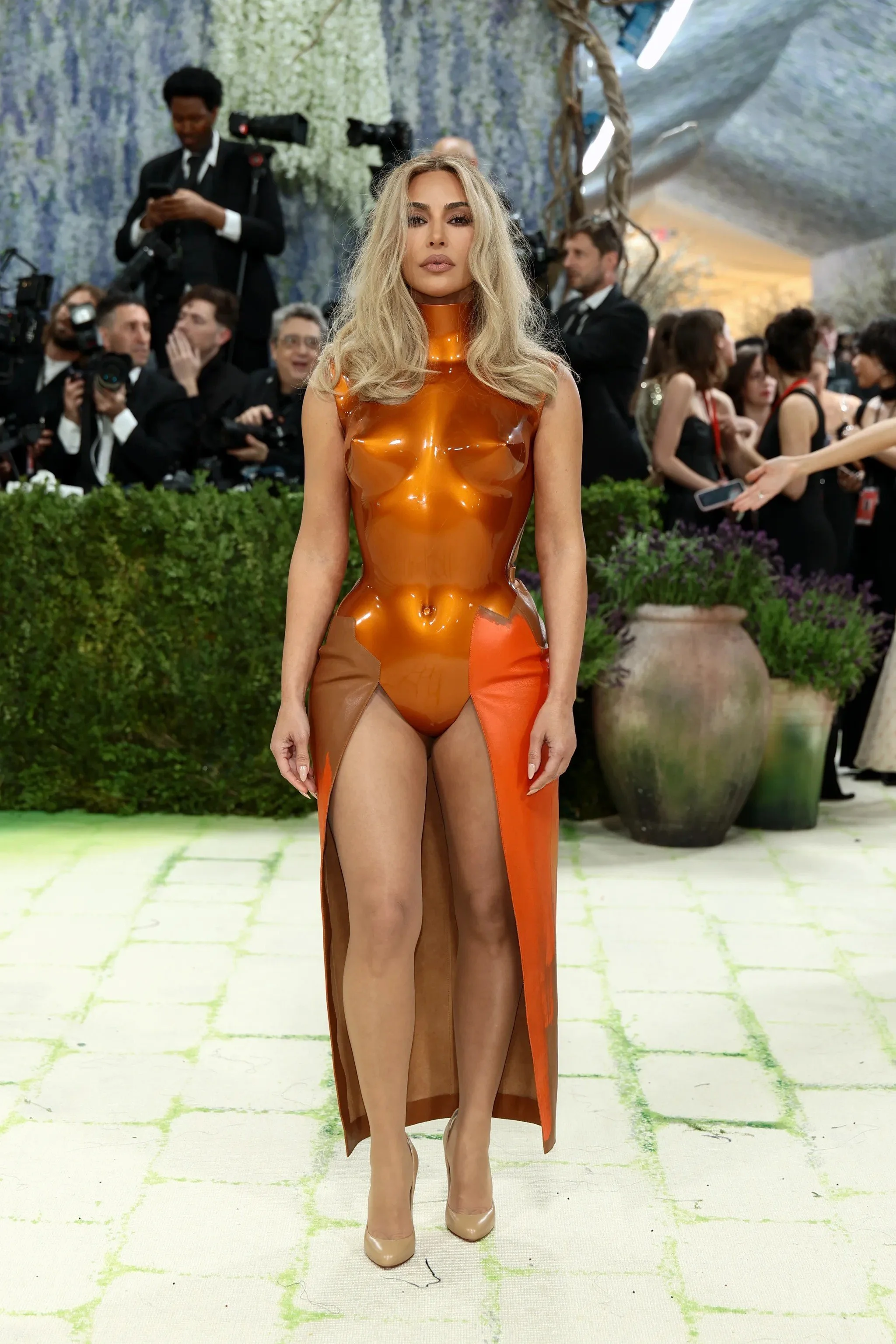
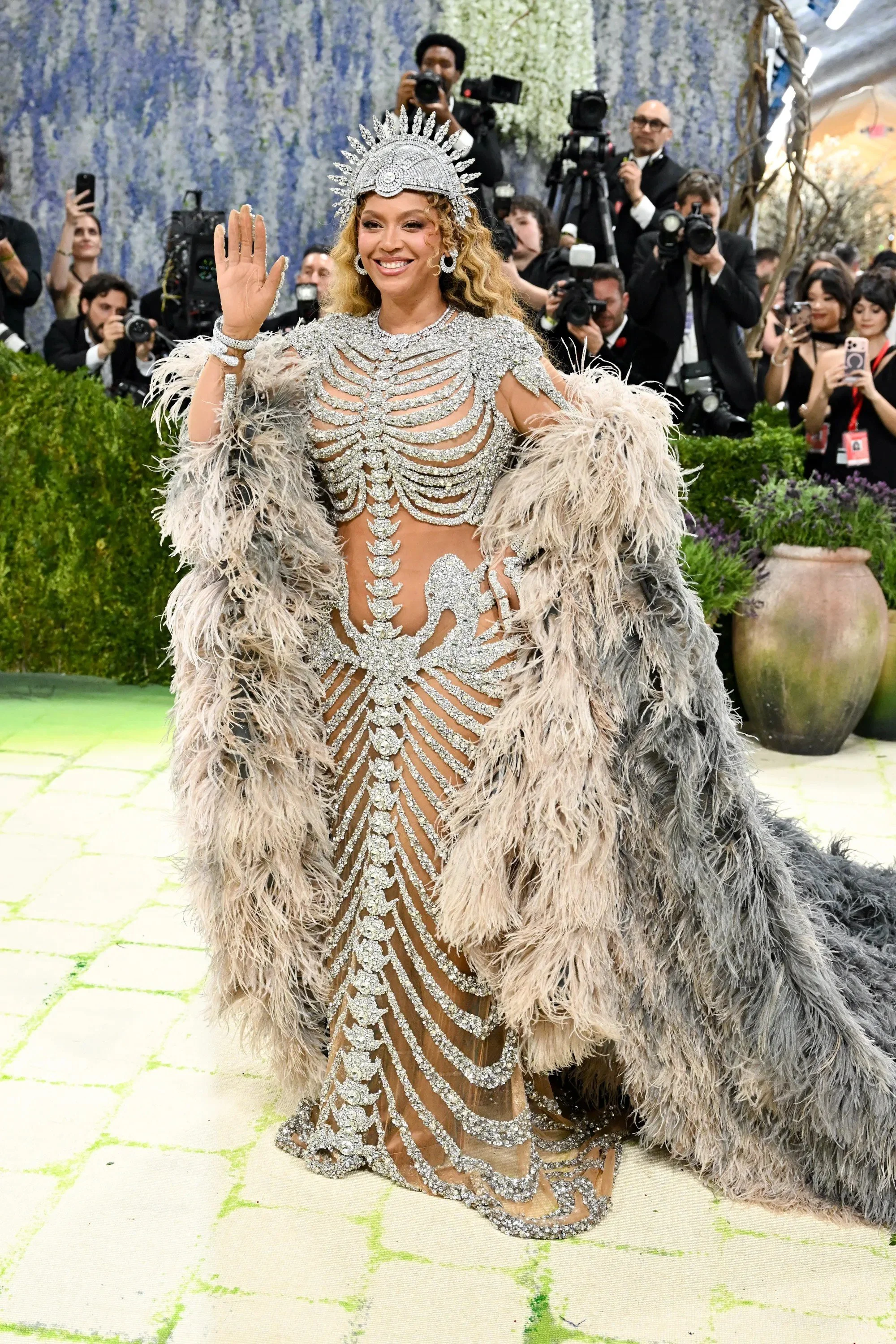
Stevie Nicks made her Met Gala debut wearing a quintessentially “Stevie Nicks” look by John Galliano x Zara, accessorised with jewellery from Tiffany & Co.. Meanwhile, Beyoncé attended for the first time in ten years in a look by Olivier Rousteing, paired with Chopard.
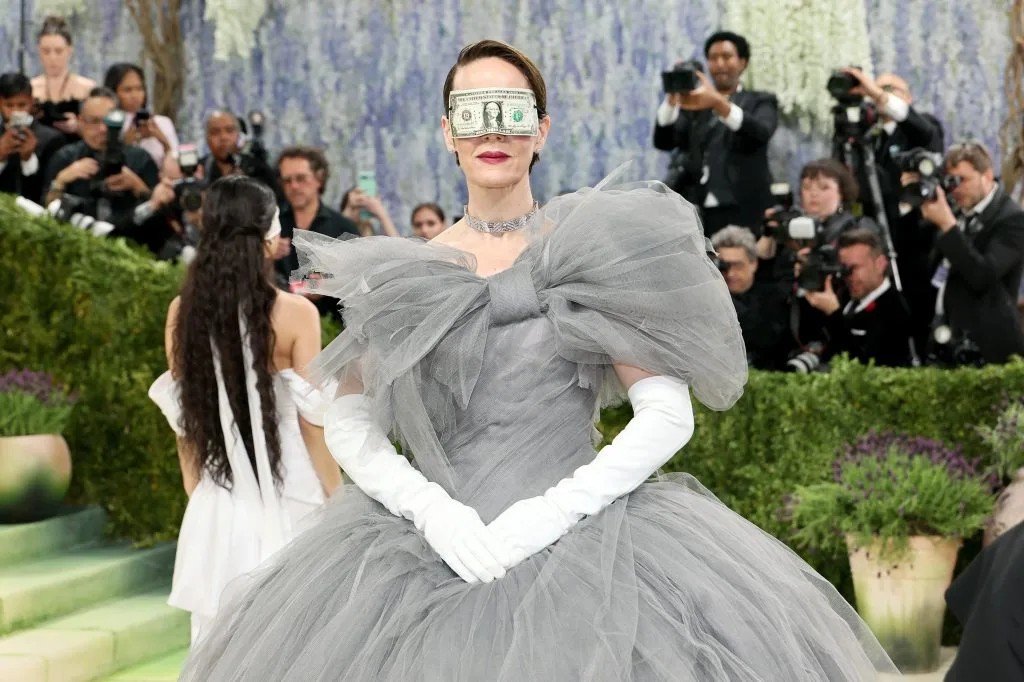
One of the most powerful looks of the night was worn by Sarah Paulson. This was not simply a dress, but a protest. Wearing a look from the recent FW26 collection The One Percent by Matières Fécales, Paulson appeared in the now-iconic money mask: the ultimate symbol of power, representing how wealth blinds people through fear and control. The statement felt especially pointed considering one of the world’s richest men, Jeff Bezos, reportedly spent millions sponsoring this year’s gala.
The fashion industry has always been exclusive, but there is now a noticeable shift towards increased privacy and elitism. This is why creatives such as the French influencer Lyas are so important. Through his La Watch Party events, he brings people together to experience and celebrate fashion collectively. People outside the wealthiest elite have just as much right to engage with fashion as those who financially control the industry. Fashion is art, and art belongs to the people.
This year’s theme was intended to celebrate the creation of artistic masterpieces within fashion. Many hoped this meant iconic archival garments would appear on the famous Met steps. Fans dreamed of seeing pieces such as Look 13 from the SS99 Alexander McQueen collection, the legendary robot spray-paint dress worn by Shalom Harlow, or some of the theatrical creations from John Galliano’s era at Dior. Instead, many guests opted for safer, more polished looks from Stella McCartney, Prada, and Chanel.
Despite the disappointments, several attendees truly embraced the spirit of the theme. Yseult stunned in a dramatic black-and-gold look by Harris Reed and Chopard. Emma Chamberlain wore Mugler, Olivia Wilde appeared in Thom Browne, and Gwendoline Christie wore a striking ensemble by Giles Deacon with Herbert Levine.
As always, fashion lovers will look to next year’s Met Gala with hope; hoping it finally sets a new standard for creativity, risk-taking, and artistic expression.