Too Close for Comfort: Heated Rivalry and Parasocial Culture
Written by Amy Tonta; edited by Charlotte Lewis
“Parasocial” was named Cambridge University Press & Assessment’s Word of the Year in 2025. It’s a term whose relevance seeps through the cracks of the internet. According to Cambridge, it means “involving or relating to a connection that someone feels between themselves and a famous person they do not know.” If you have your finger on the pulse of social media, this definition likely feels familiar. Within fandom spaces especially, parasocial relationships are increasingly prevalent. There’s absolutely nothing wrong with feeling connected to a piece of media, its characters, or even the actors who portray then, but sometimes an invisible line is crossed. With the rise of the hit TV show Heated Rivalry, those blurred lines have become more visible. Can we consume media and love it without becoming too involved? Of course. But when does admiration become too much?
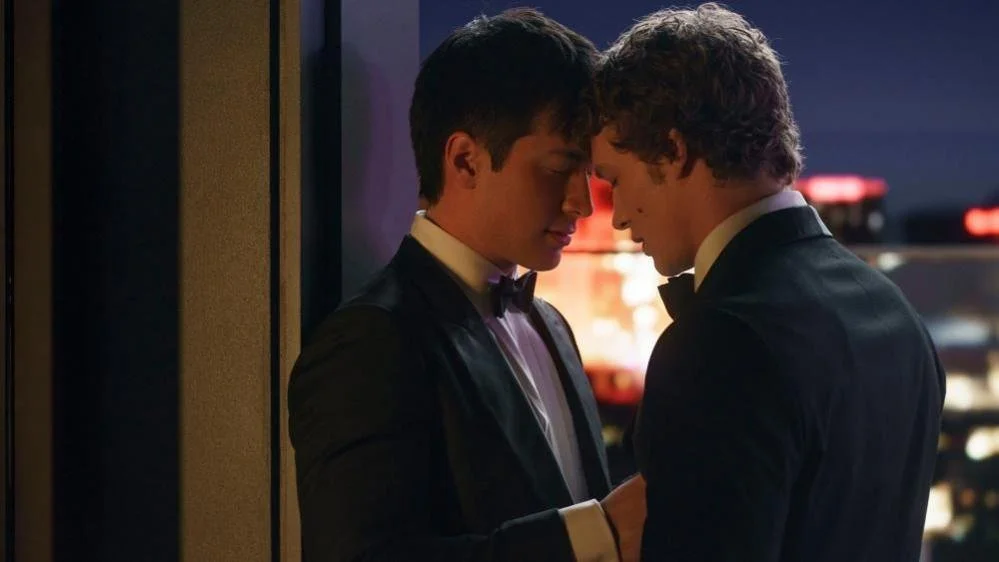
Image BBC
Now in my late 20s, I grew up alongside social media and within fandom spaces. I was once an avid fan of The Walking Dead before its steep decline. I spent hours on Instagram creating scene edits, experimenting with photo-editing apps, and posting content as if it were a full-time job. I had friends deeply immersed in K-pop fandoms. Tumblr was once the pinnacle of online fandom culture. Many people my age remember “Superwholock” and the endless gifsets of Dean and Castiel from Supernatural, paired with intimate dialogue and hopeful speculation that the characters would end up together.
With the rise of social media, we now experience a kind of virtual proximity to celebrities. A glimpse into their lives is just a click away. Twenty-four-hour story posts allow us to see what they’re doing in real time. It becomes easy to grow attached — to admire, adore, and feel connected. But admiration can evolve into something more intense. Many fans fall into the trap of constructing imagined versions of these public figures. When reality fails to align with those imagined narratives, disappointment, or even hostility, can follow. The line is definitively crossed when fans begin dissecting celebrities’ personal lives to fit their own expectations.
I want to clarify that I haven’t watched Heated Rivalry. However, as someone chronically online, I’ve seen enough from the outside to recognize a larger issue at play regarding parasocial relationships.
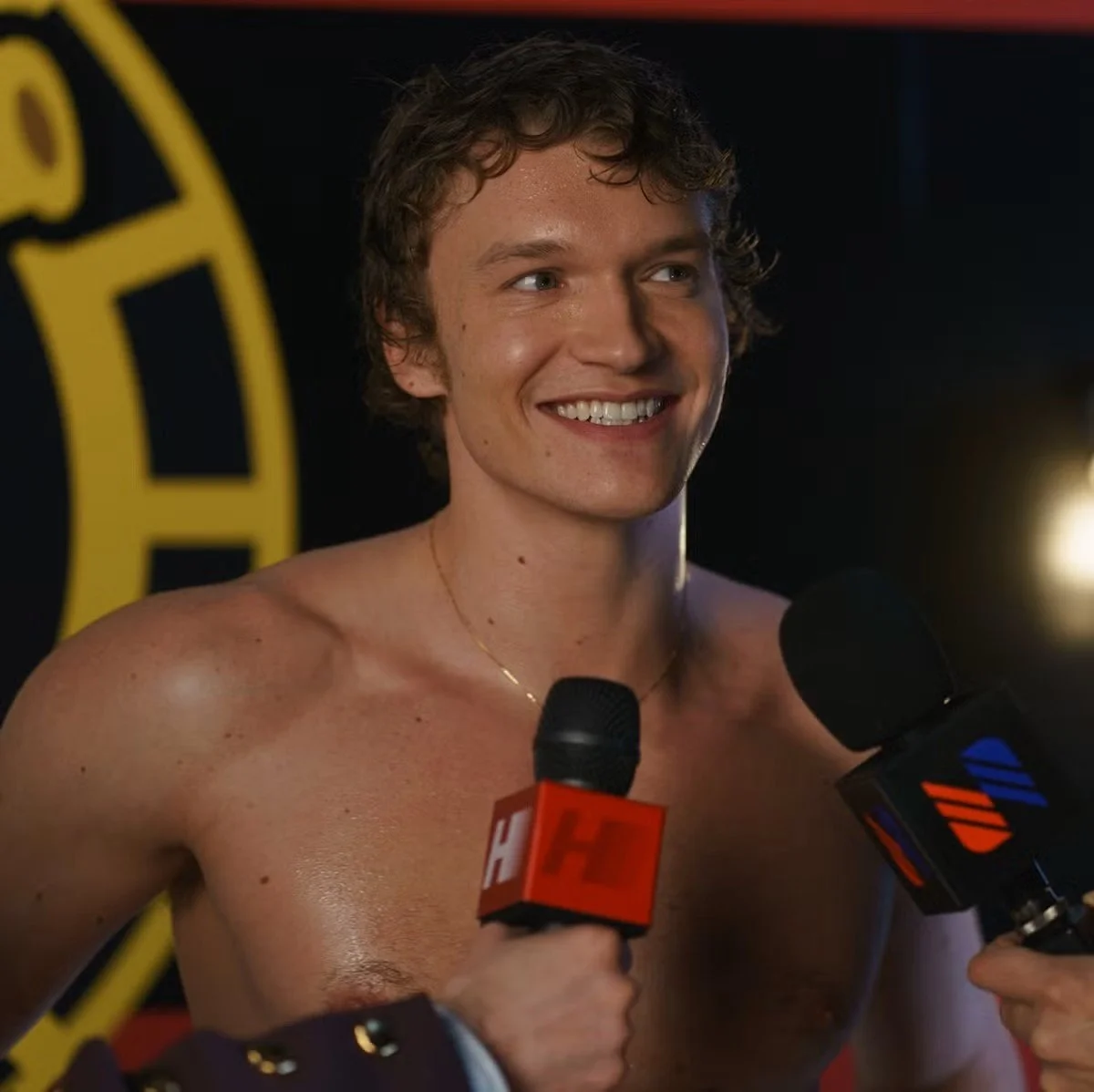
The show’s stars, Connor Storrie and Hudson Williams, have reached new career heights. Their previous work largely consisted of short films and guest television appearances. As often happens with breakout series, audiences quickly rallied to support and “stan” the two young actors, and their online followings grew exponentially. François Arnaud, who has long been established through roles in The Borgias, Yellowjackets, and UnREAL, has also experienced renewed visibility for his role as Scott Hunter. But with a major career breakthrough comes intensified scrutiny — not only of professional choices but of personal lives as well.
Heated Rivalry is based on Rachel Reid’s Game Changers novel series. The second book centres on Ilya (Storrie) and Shane (Williams), who develop an intense romance while playing for rival hockey teams. Naturally, this sparked “shipping” culture — supporting two individuals in a romantic pairing, whether fictional or real.
BBC
There’s no issue with rooting for fictional characters to be together. The problem arises when fans extend that narrative into the actors’ real lives. Speculation about Connor Storrie and François Arnaud began after they were seen together at several events. Arnaud publicly came out as bisexual in 2020, while Storrie has remained private about his sexuality. No one should be pressured to disclose personal information, yet this dynamic has played out before, most notably when Kit Connor of Heartstopper felt compelled to address speculation about his sexuality.
The issue surrounding Heated Rivalry lies in some fans’ insistence on seeing Connor Storrie and Hudson Williams replicate their on-screen relationship in real life. That desire has, in certain corners of the internet, crossed into obsession. François Arnaud has faced unwarranted scrutiny simply for being seen with his co-star. There is no confirmed romantic relationship; only speculation.
“In general, fans have been incredibly positive and respectful. For the ones that aren’t, I think it’s a lot of younger fans who don’t really understand the difference between reality and fiction,” Arnaud said in an interview with The Toronto Star.
Fan engagement has always played an important role in the success of television and film. Heated Rivalry has received praise for its message, characters, and performances. But as with any popular series, a subset of fans inevitably oversteps. If François Arnaud and Connor Storrie were together, that would be their business — and it would not need to mirror a fictional storyline. Fiction should not dictate how audiences interpret or judge real people’s lives. Actors are not their characters, and their personal relationships should not be dissected simply because they conflict with fan expectations.
Heated Rivalry is only one recent example of a broader issue: the inability, in some fandom spaces, to separate character from actor. The larger question remains — why can’t we celebrate and appreciate media without becoming overly invested in the private lives of those who create it? Praise the performances. Share your excitement. Post your edits. But at the end of the day, we must remember: we do not actually know these people.