

Who Gets to Be Messy on the Internet? Kelly Clarkson vs. a $15,000 Bird
Written by: Levi Kaye, Edited by: Cameron Cade
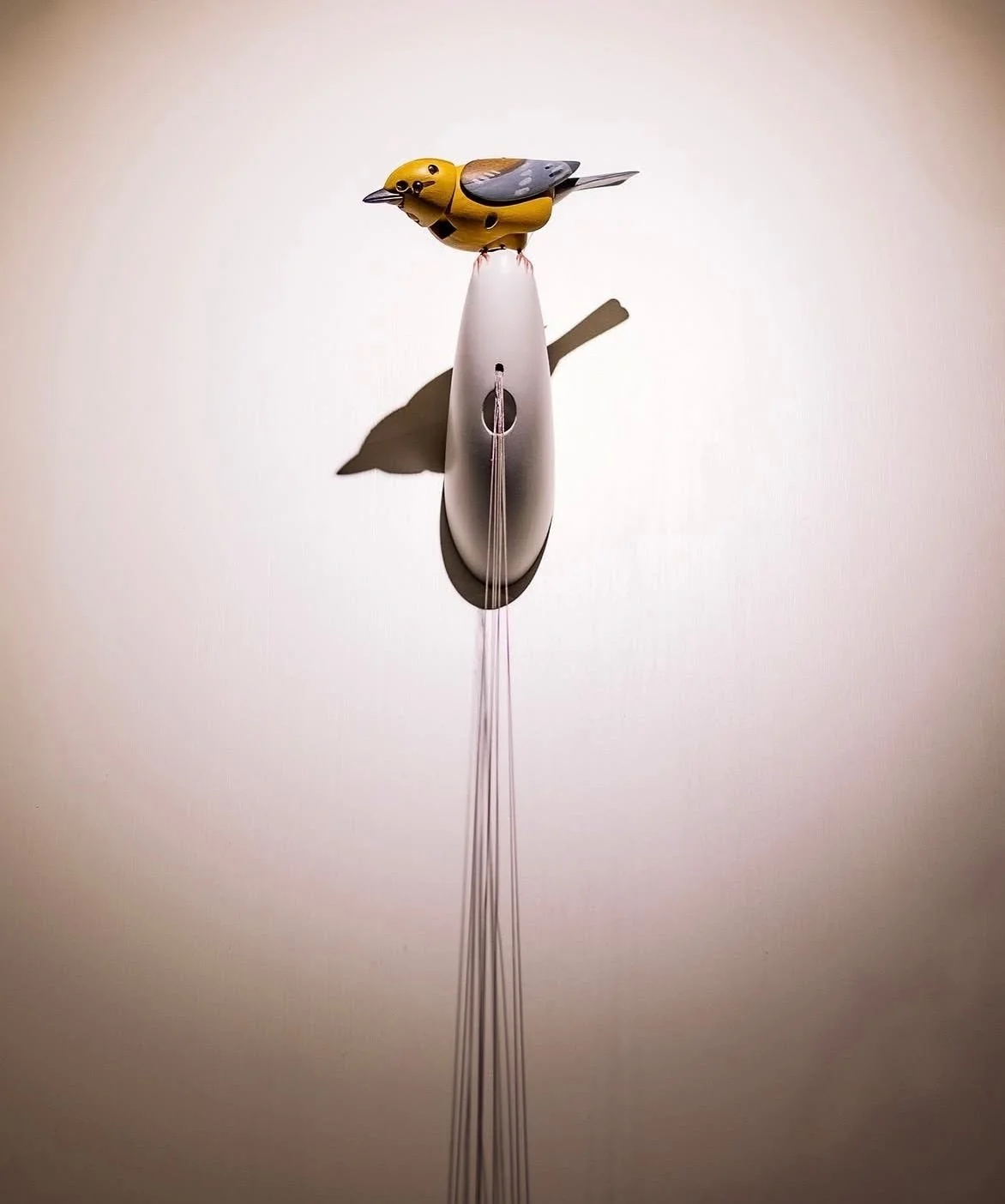
Kelly Clarkson, a Brooklyn Curiosity Shop & a $15,000 bird named “Molly” sounds like the beginning of an incomprehensible joke. Instead, it has become the internet's latest drama around customer service, celebrity privilege, and the (perhaps unintended) consequences of taking a grievance public. I mean, really, Clarkson's ongoing dispute with the Brooklyn boutique, Art of Play, has all the markings of any absurd viral moment of the past few years. It has everything — Twitter rants, internet dogpiling and a Pretty Woman reference. But the crazy price tag and the competing accounts of what really happened leave a less amusing inference: who has permission to be messy on the internet, and who has to live with the consequences?
(Image from instagram.com/artofplay)
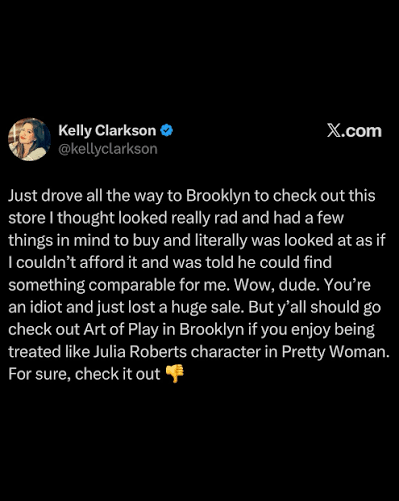
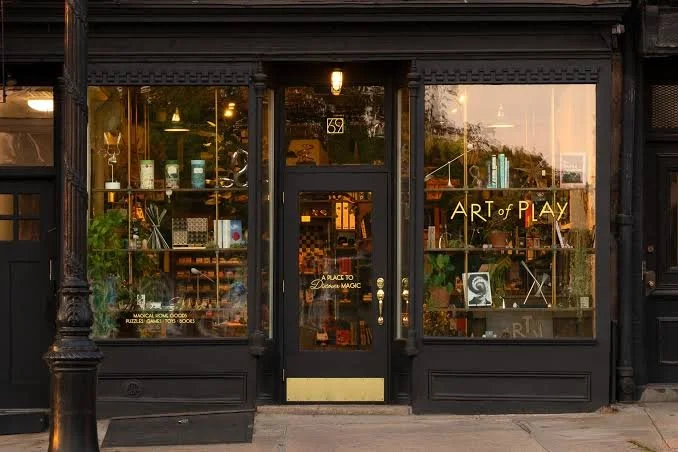
The spat started with Clarkson tweeting about her trip into Brooklyn to visit Art of Play, a self-described “modern wonder emporium embracing the power of curiosity”. Amongst its collection of curiosities lived “Molly”, a mechanical singing bird with a (reported) $15,000 price tag. Clarkson alleged that she had been made to feel as though she couldn't afford the piece, drawing a comparison to the iconic Julia Roberts shopping scene from Pretty Woman. Naturally, Art of Play disputed Clarkson's account & challenged the high-profile callout, dubbed by Art of Play as an “attack”, maintaining that Molly was a display piece rather than an item available to purchase, and that an alternative bird had been offered.
(Image from x.com/kellyclarkson)
A rather silly he-said-she-said feud for Clarkson to embroil herself in…
Let's be honest, she can probably afford the pricey bird, and could’ve ignored any disparagement and bought it anyway. So what is the feud really about? And why has the internet latched onto it?
No one wants to be looked down on; the feeling of being dismissed, underestimated or judged is something nobody, celebrity or otherwise, is humiliating. But is the situation really as big a deal as it's being made out to be? Or has a potentially misread customer-service interaction been dragged into something far bigger and nastier by the sheer gravity of the eyes of the internet gazing upon it?
I think the question is not whether Clarkson was entitled to speak about her experience. Accountability matters, and consumers, celebrity or not, should be able to call out businesses when they feel they've been mistreated. The way she chose to do it is, of course, open to scrutiny. I mean, multiple posts on X (formerly Twitter) to a massive following always leads to a completely predictable outcome (What happened to a Google review? Yelp, perhaps?).
Customer service and customer experience have changed. Social media has become the go-to route for consumers to communicate directly with businesses, air grievances, and seek resolutions (or a payday…). Gone are the days of complaint procedures and 3-5 working day mailboxes; a public call-out often demands a public response, and in the case of Kelly Clarkson, businesses aren't just responding to the customer, but responding to her as a brand and her audience. When a celebrity’s audience becomes part of the exchange, the purpose of the complaint, even when well-intentioned, morphs. Is the aim of publicly calling out the business to resolve the issue? Hold the business accountable? Or is it to damage their reputation? And are celebrities aware of this when they do it?
That point is where this situation leaves a sour taste. Art of Play's co-owner, Adam Rubin, has spoken about the fallout, describing the situation as “Insane” in an interview with USA Today, reflecting on how the situation is just one big misunderstanding. While he remains open to Clarkson returning to his store, he did address her social media posts, labelling them as an attack on his business and livelihood. According to Rubin, his staff & neighbours have faced death threats, and an influx of negative reviews and comments from people who have never set foot in the shop.
(Art of Play store)
There is no perfect way for a business to respond to being called out in front of an audience of millions, with Clarkson's X post hosting 46 million views to date. They could remain silent and accept her version of events as the truth, or push back and have their attempts at defending themselves interpreted as avoiding accountability. Frankly, It's a lose-lose situation. Every response gives the internet something new to grasp onto, and every new response risks drawing out the drama.
Each new development, tweet or TMZ article offers the internet another opportunity to pick sides, gossip, pass judgement or go to more extreme measures like Rubin has shared, all while the people at the centre of it are left dealing with the consequences long after the internet has moved on to their next target.
So, can we really blame Clarkson for what has followed, or should we expect someone with her platform to exercise a little more caution in how she uses it? She cannot and should not be held responsible for every stranger who chooses to send abuse or leave a vindictive review. But there is a difference between sharing a bad experience and setting in motion a chain of events that could threaten a person’s livelihood and safety. That possibility raises an uncomfortable question: when a single interaction can be broadcast to millions, should celebrities be more careful about being messy on the internet?