

Why is Gen Z Is Bringing Print Back?
Written by Cara Macdonald; edited by Charlotte Lewis
With some consumers turning away from their phones and following a “digital detox,” print media seems to be not only benefitting from the change but elevating its presence from informative media to a luxury product. In an era where our consumption of news and art is controlled by algorithms, it feels like readers are slowly turning back to print.
In what Rolling Stone called a “cultural recalibration,” the revival of print media is, according to online sources, consumers responding to an overstimulating digital world. Social media is still an active creative outlet, but it largely depends on what ‘side’ of the algorithm you find yourself on. The constant shift of topics and issues shared online can become an overwhelming aspect of having any kind of online presence whatsoever.
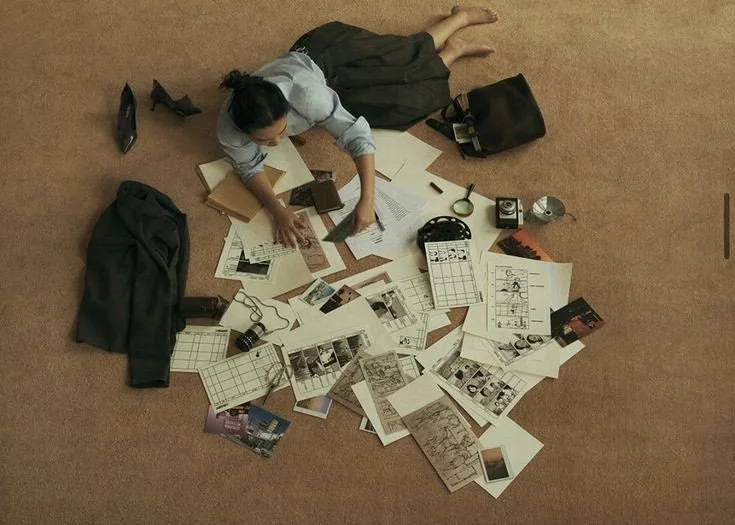
In 2018, one writer for the American university newspaper The Carolinian wrote that “print media is dying,” arguing that it had been largely corrupted by the rise of digital. Now, eight years later, it’s Gen Z consumers who are credited with playing a significant role in bringing the media form back to life. In March last year, i-D magazine reappeared on UK newsstands for the first time since its parent company, Vice, declared bankruptcy in 2023. Art director and founder of MagCulture, Jeremy Leslie, highlighted that Gen Z’s interest in print and tangible reading has brought physical media back into the picture.
Personally, picking up the latest issue of Vogue, with the occasional Vanity Fair or GQ, has become a ritual. There’s an anticipated wait for the monthly release of what feels like structured writing, without the fleeting and constantly changing news feed. It’s uninterrupted reading that feels more authentic. The quality of stories in print feels like an upgrade compared to online articles that come with pages of pop-up ads and distractions. Yes, all the stories can be read online, but it doesn’t feel as genuine or authentic as reading them on physical paper.
Going back to the opening statement, Rolling Stone is right in referring to the rise of print as a cultural recalibration. It feels like a collective decision has been made that, all of a sudden, digital media is ‘out.’ Obviously digital is still heavily relied upon, but it can’t compete with the nostalgic feel or aesthetic of print. For thoughtful and structured pieces, magazines and newspapers have found their way back into the spotlight. Whether it’s the stories, the cover art, or the structured content inside, print has become a collectible with substantial content. Rather than an overload of changing topics, it’s carefully curated for a targeted audience.
Highlighting the difference between print and digital media, print feels tailored to the reader in a way that digital media often cannot replicate.
The reason it matters now is the “digital detox” trend that many people online are taking part in. This detox sees people replacing screen time with older hobbies and healthier habits that give the mind a rest from repeated scrolling. With such a wide range of topics shared daily and discussed online, people are constantly exposed to global issues. While this awareness is important, the constant consumption of so many current events can be overwhelming. Sometimes, the ideal way to detach from that is to put the phone down and pick up something that genuinely sparks interest or creativity.
The rise in print media is particularly interesting considering that Gen Z helped bring it back—ironically, a generation still known for being chronically online. Many young adults now talk about feeling behind or like they’re running out of time. Maybe the search for slower, more genuine writing is partly a search for nostalgia. Print might be benefitting from the wave of “digital detox” participants, but it has also created space for genuine art and creativity that won’t get lost or buried in a news feed. Each piece has its own place on the page, often at the forefront of a monthly or seasonal release. Print is being reclaimed from the archives, giving writing a space with real depth and intention.
While it may sound like digital media doesn’t have the same hold on people anymore, it’s worth noting that print’s revival wouldn’t really exist without the power of digital. Possibly disguised as another trend, the collective decision between strangers online that print is the accessory to have was ultimately brought about through the collaborative power of social media. As Interview magazine editor-in-chief Mel Ottenberg told New York Magazine, “Print is a luxury item,” adding to the sense that taking time away from a screen has become something of a luxury itself.