Curating Yourself to Death
By Aufa Dasayoga
A degree called Culture, Criticism and Curation teaches you to read curation as a discipline. It’s harder to watch it become a personality.
The word before it meant this
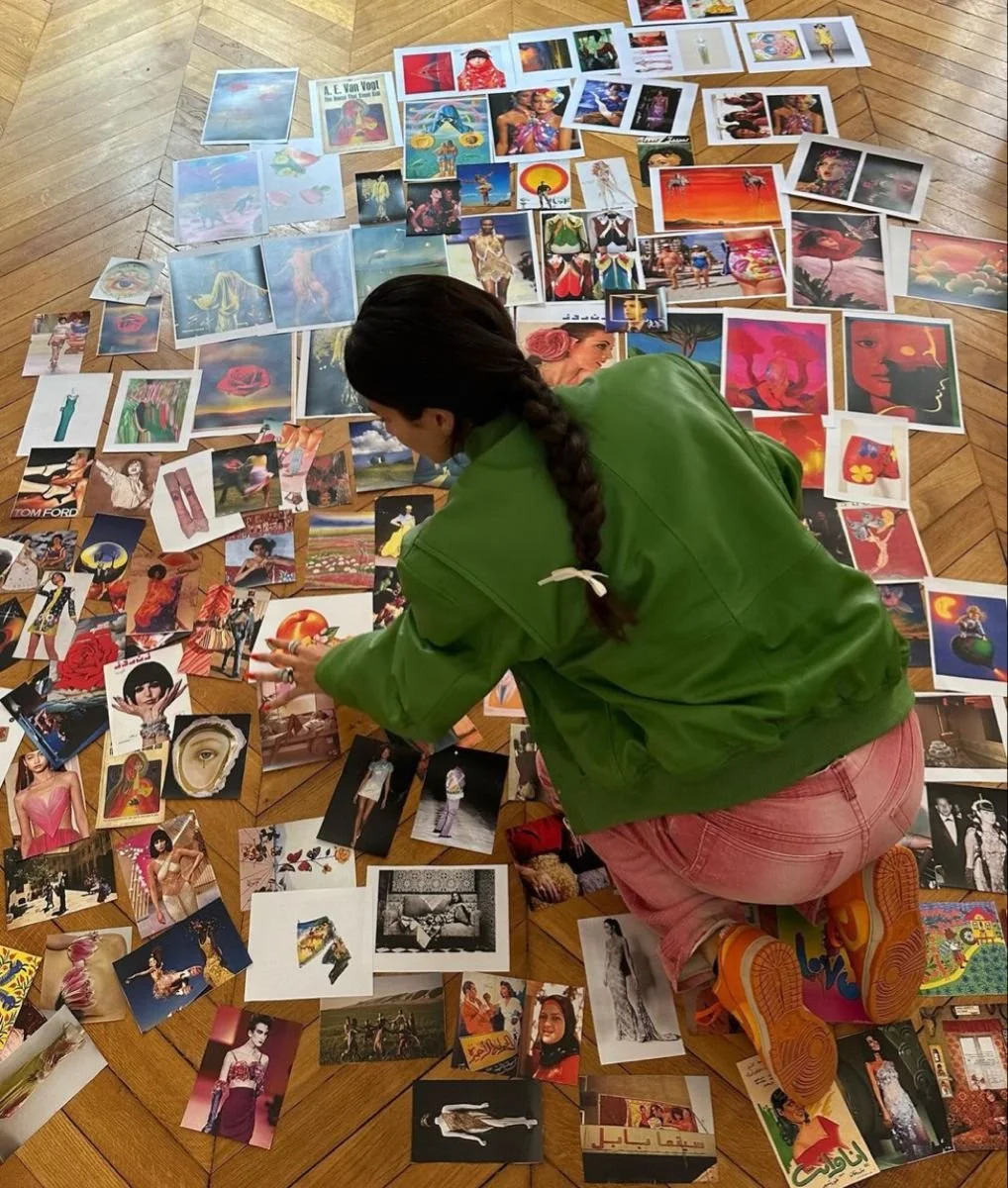
Curation used to describe a specific, slow, accountable act: a person selecting and arranging objects, deciding what belongs next to what, and being professionally responsible for the argument that arrangement made. It required expertise and restraint, because the whole discipline rested on knowing what to leave out.
Somewhere in the last decade, the word got detached from that discipline and reattached to an Instagram grid, a Depop shop, a For You page algorithmically arranged for you rather than by you. Everyone curates now. Almost nobody is exercising judgement.
The shift isn’t cosmetic. A museum curator’s selections are legible, arguable and attributable; you can disagree with a hang and say why. A TikTok feed’s curation is opaque by design, optimised for retention rather than argument, and arranges you as much as you arrange it. Calling both of these curation flattens a real distinction between a discipline with standards and a recommendation engine with a retention target.
The exhausting part
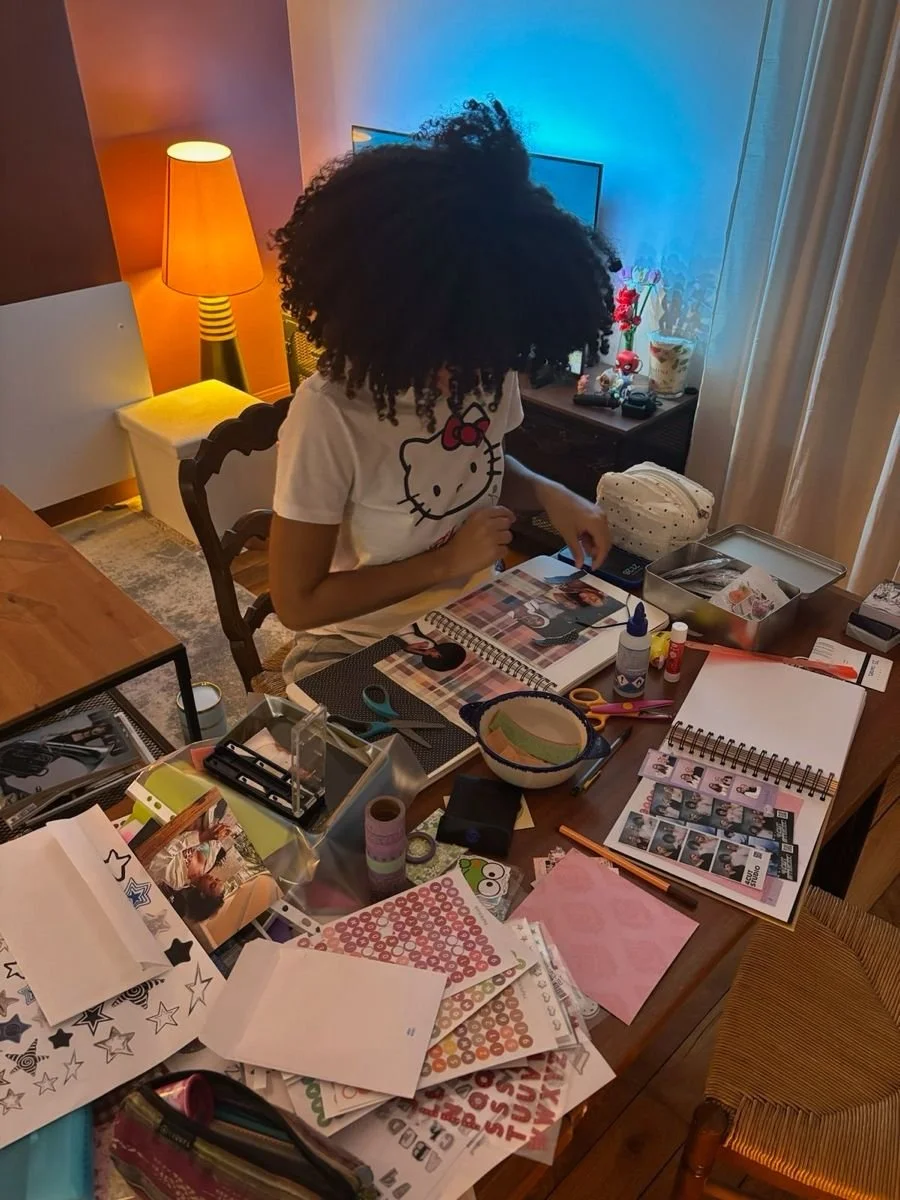
What gets lost in the flattening is the exhaustion underneath it. Depop resellers are expected to curate a shop aesthetic tight enough to read as a single taste, a single point of view, essentially performing the same coherence a gallery show is supposed to have, except updated daily, for free, in competition with everyone else doing the same thing.
A personal Instagram grid is expected to hold together as a body of work. Bourdieu’s distinction; the idea that taste functions as a class marker, a way of signalling who belongs where, used to require inherited cultural capital and time. Now it requires an app and constant maintenance. The labour hasn’t disappeared; it’s just been redistributed onto everyone, unpaid, permanent and graded in real time by an engagement number.
This is where the algorithm makes it worse rather than better. A human curator’s judgement can rest. It doesn’t need to be re-proven every day. An algorithmically legible aesthetic has no such rest state, because the feed rewards consistency and punishes silence. The curation of the self becomes something closer to an unpaid, unending job with no union and no end date.
The self as a curated object stops being a Sunday afternoon project and becomes a permanent, low-grade shift.
What the discipline actually offers back
The useful thing a real curatorial training gives you, oddly, is permission to stop.
A trained curator knows an exhibition closes. It has a run, a final date, an argument that gets made and then gets to rest, replaced by the next show rather than endlessly appended to.
Nobody has built that closing date into a personal feed, and that absence, more than any single algorithm change, might be the actual source of the exhaustion everyone online is describing without quite naming it.
The fix isn’t more curation. It’s remembering that the discipline this word came from always assumed an ending.