

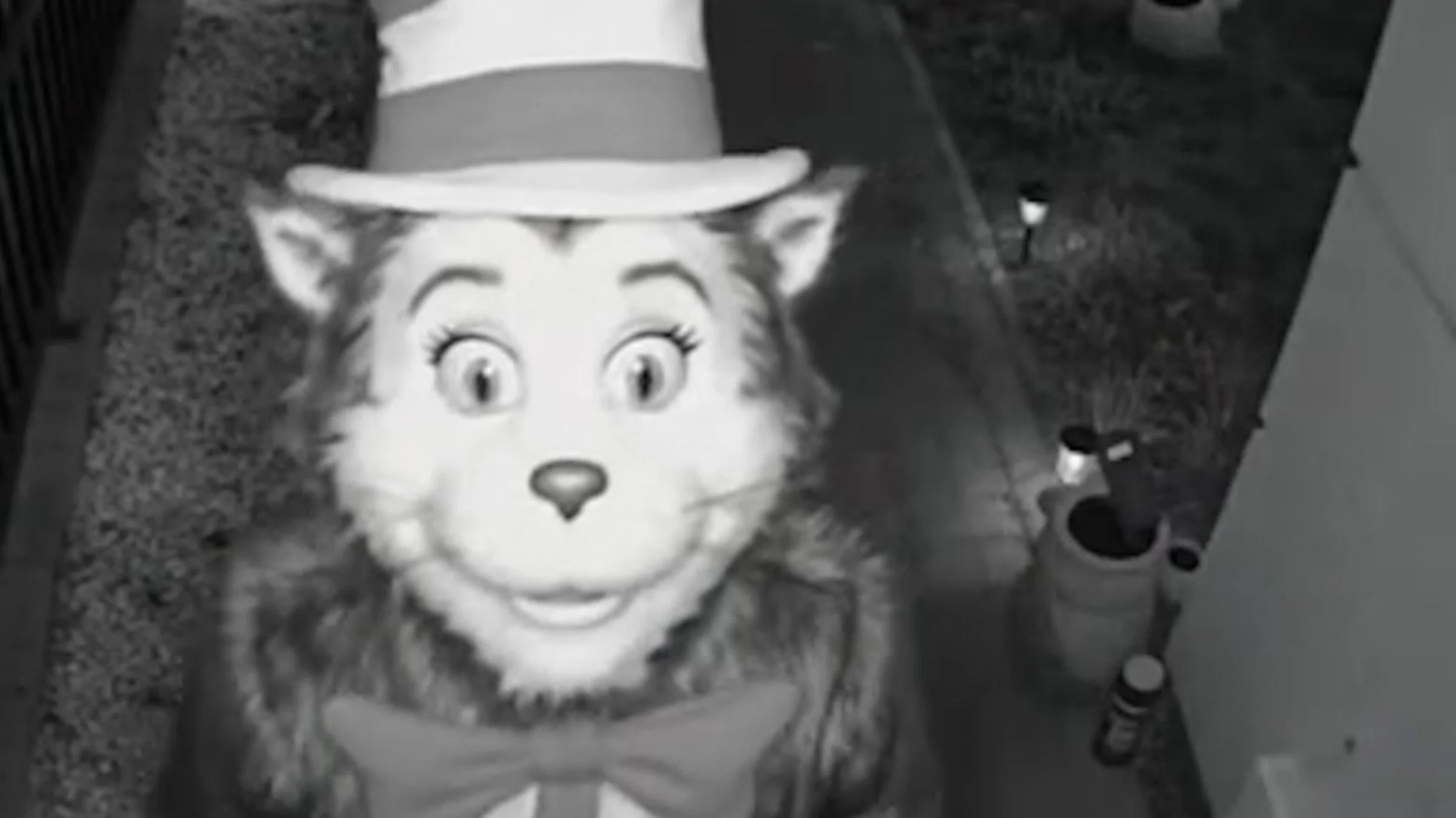
The Cat in the Hat Has Come to Glasgow, and TikTok Is Terrified
There is apparently a man in a Cat in the Hat costume terrorising Britain. He has been spotted outside houses, wandering around housing schemes and lurking beneath streetlights. Parents are warning their children, siblings are filming response videos and, somehow, even grannies have got involved. Now, according to TikTok, he has made his way to Glasgow.
Except, of course, he isn't real.
The latest Cat in the Hat panic is an AI-generated internet hoax, with images and videos placing the character into recognisable streets and residential areas. What makes it so effective is how quickly the story has become localised. It isn't simply the Cat in the Hat is scary; it is the Cat in the Hat is in Glasgow. Then he is in another town. Then another. Suddenly everyone knows someone who has supposedly seen him.
It feels remarkably similar to the killer clown panic of 2016. Back then, sinister-looking clowns were supposedly appearing outside schools, in parks and around residential areas. Some sightings were real, some were pranks and plenty were rumours, but the internet transformed them into a nationwide phenomenon. The Cat in the Hat is essentially the AI-era version: a recognisable character, a slightly sinister image, a supposed sighting and an audience ready to make it bigger.
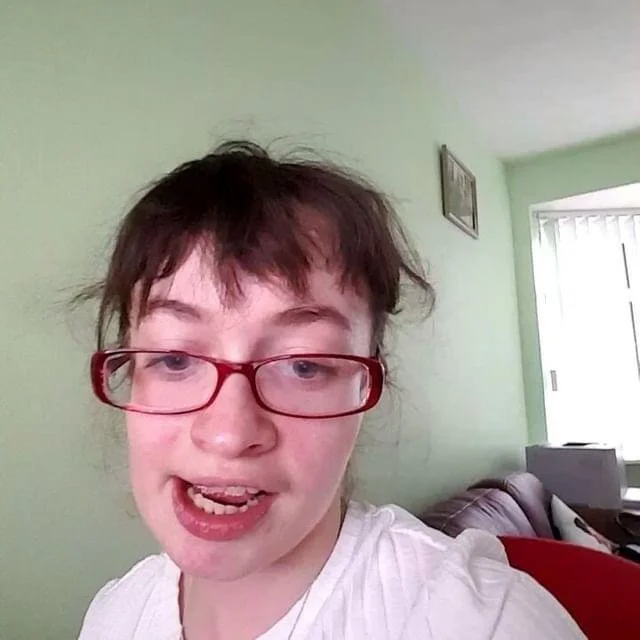
Kate King, eVal, a Random Swede and the Pleasure of an Ordinary Life
There is something strangely difficult to explain about Kate King. On paper, there is very little about her that should make her an internet phenomenon. She is 27 years old, lives in Aylesbury with her parents, spends a considerable amount of time with people older than herself, has worked relatively little, has never had the conventional dating life that tends to form the backbone of contemporary social media and has built much of her online presence around things as thrilling as the weekly food shop. She is not particularly interested in performing the version of 27 that the internet has taught us to expect. There are no endless nights out, career announcements, couples holidays, gym transformations or carefully constructed declarations of having “figured it all out.” There is Costa. There is bowls. There is radio. There is her mum, Val. There is Mick. There are grocery hauls and meal plans and an extraordinary amount of conversation about what is happening next. And somehow, millions of people have found this completely captivating.
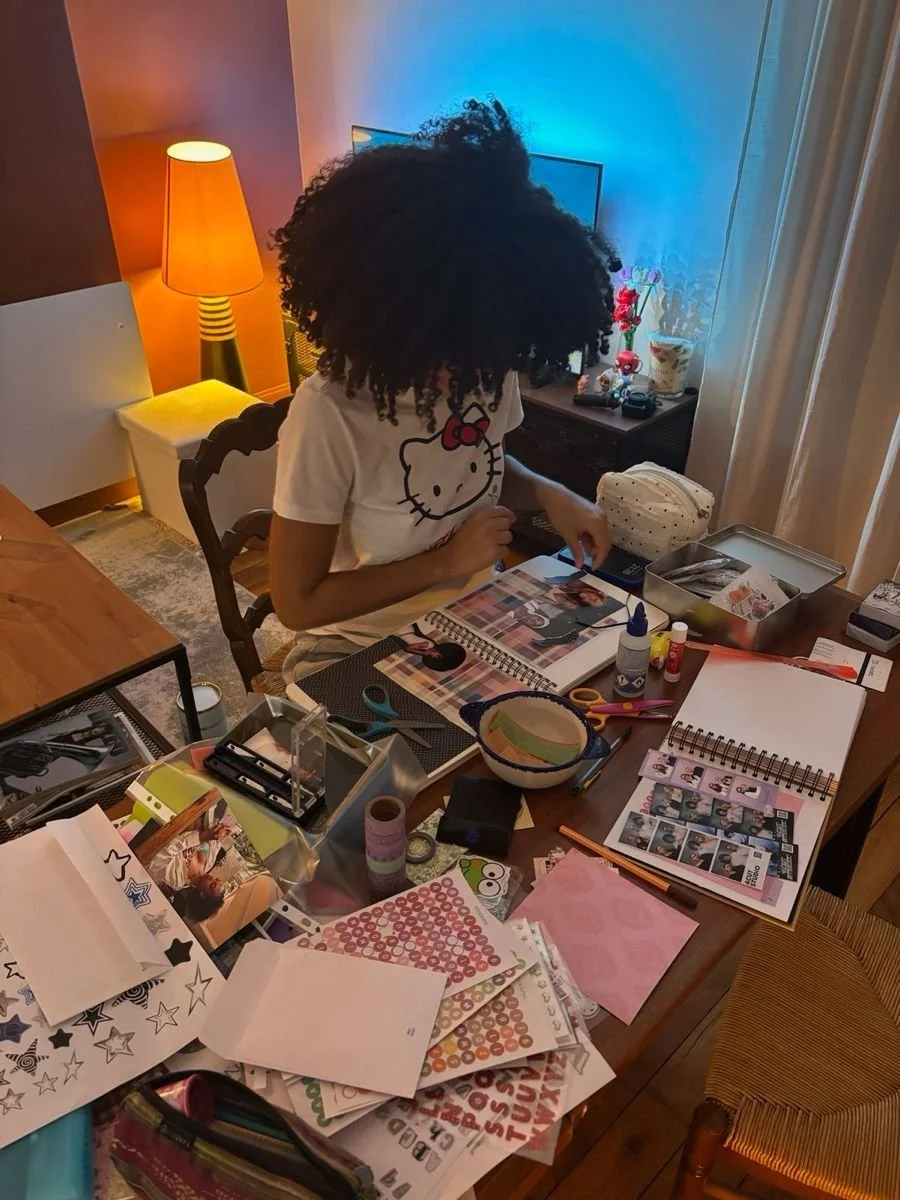
Curating Yourself to Death
Curation used to describe a specific, slow, accountable act: a person selecting and arranging objects, deciding what belongs next to what, and being professionally responsible for the argument that arrangement made. It required expertise and restraint, because the whole discipline rested on knowing what to leave out.
Somewhere in the last decade, the word got detached from that discipline and reattached to an Instagram grid, a Depop shop, a For You page algorithmically arranged for you rather than by you. Everyone curates now. Almost nobody is exercising judgement.
The shift isn’t cosmetic. A museum curator’s selections are legible, arguable and attributable; you can disagree with a hang and say why. A TikTok feed’s curation is opaque by design, optimised for retention rather than argument, and arranges you as much as you arrange it. Calling both of these curation flattens a real distinction between a discipline with standards and a recommendation engine with a retention target.
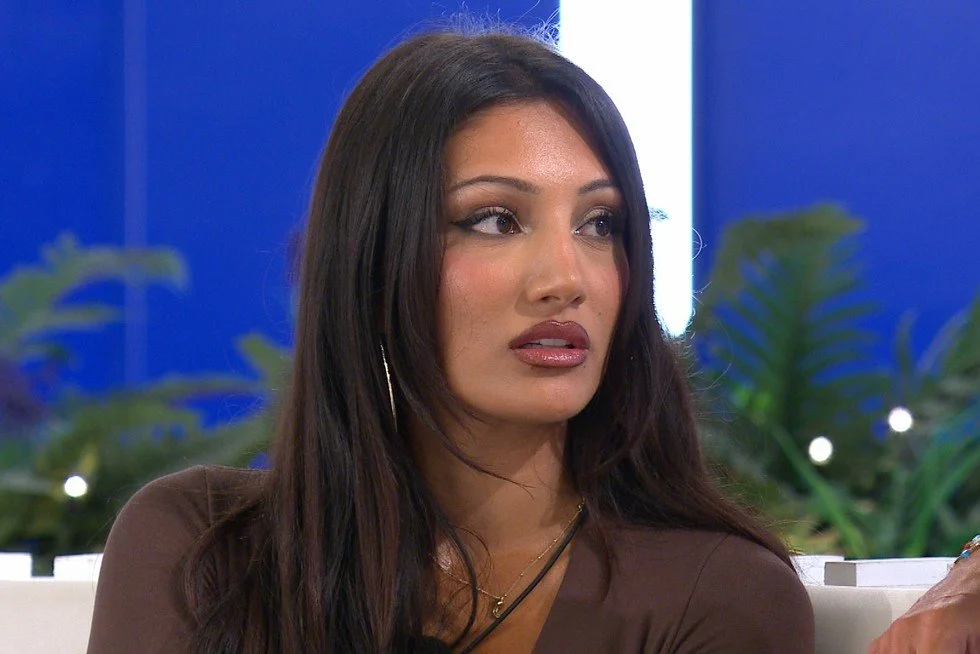
The Romance Economy: Pink Pill Culture & Dating Strategy
A few months ago, I realised I had become, at least in part, what the internet now calls "pink-pilled".
Not because I wanted to marry a millionaire or because I believed women should manipulate men into paying for their lifestyles, but because, after years of hearing women apologise for wanting more, something about the rhetoric felt refreshing. My TikTok feed became increasingly populated with videos about "high-value men", "provider mindsets" and Shera Seven's now infamous phrase, "sprinkle sprinkle". I found myself agreeing with more of it than I expected. After all, what was so controversial about believing women deserved better?
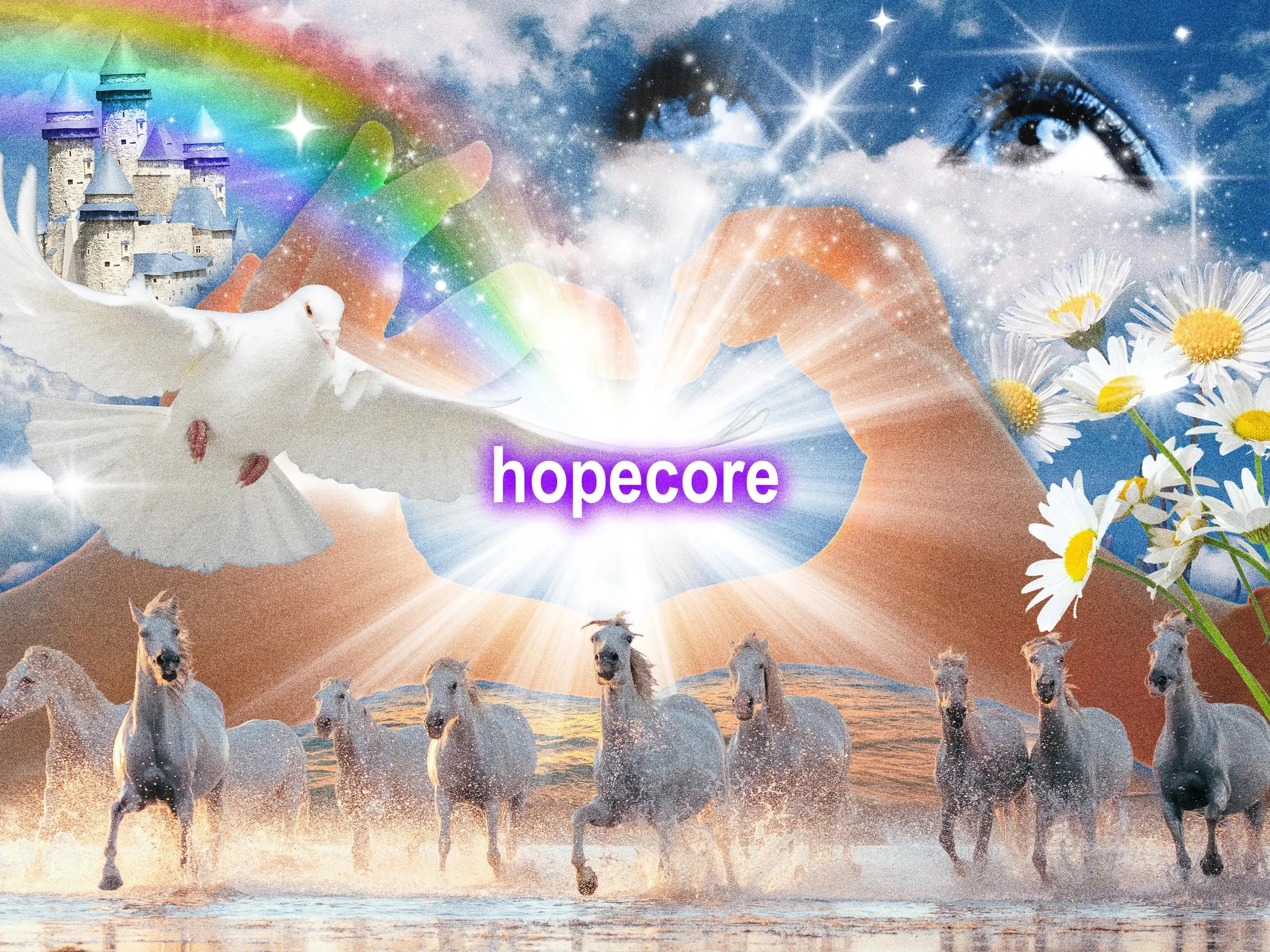
Cyberfeminism Now: Hopecore, Cyborgs, and the Platformed Self
There is something distinctly cyberfeminist about hopecore; the strange, dissonant meme format pairing low-resolution animals with WordArt affirmations and early, internet aesthetics. Its visual language recalls the surreal gloss of 1990s desktop environments, evoking a moment when the internet still felt unstable, open, and full of possibility. Yet hopecore is not utopian. It emerges from what Polyester mag describes as a “fragmented soup of life,” in which online culture mirrors a broader social drift toward disarray, and where existentialism and nihilism increasingly underpin everyday experience (Quin, 2026.).