

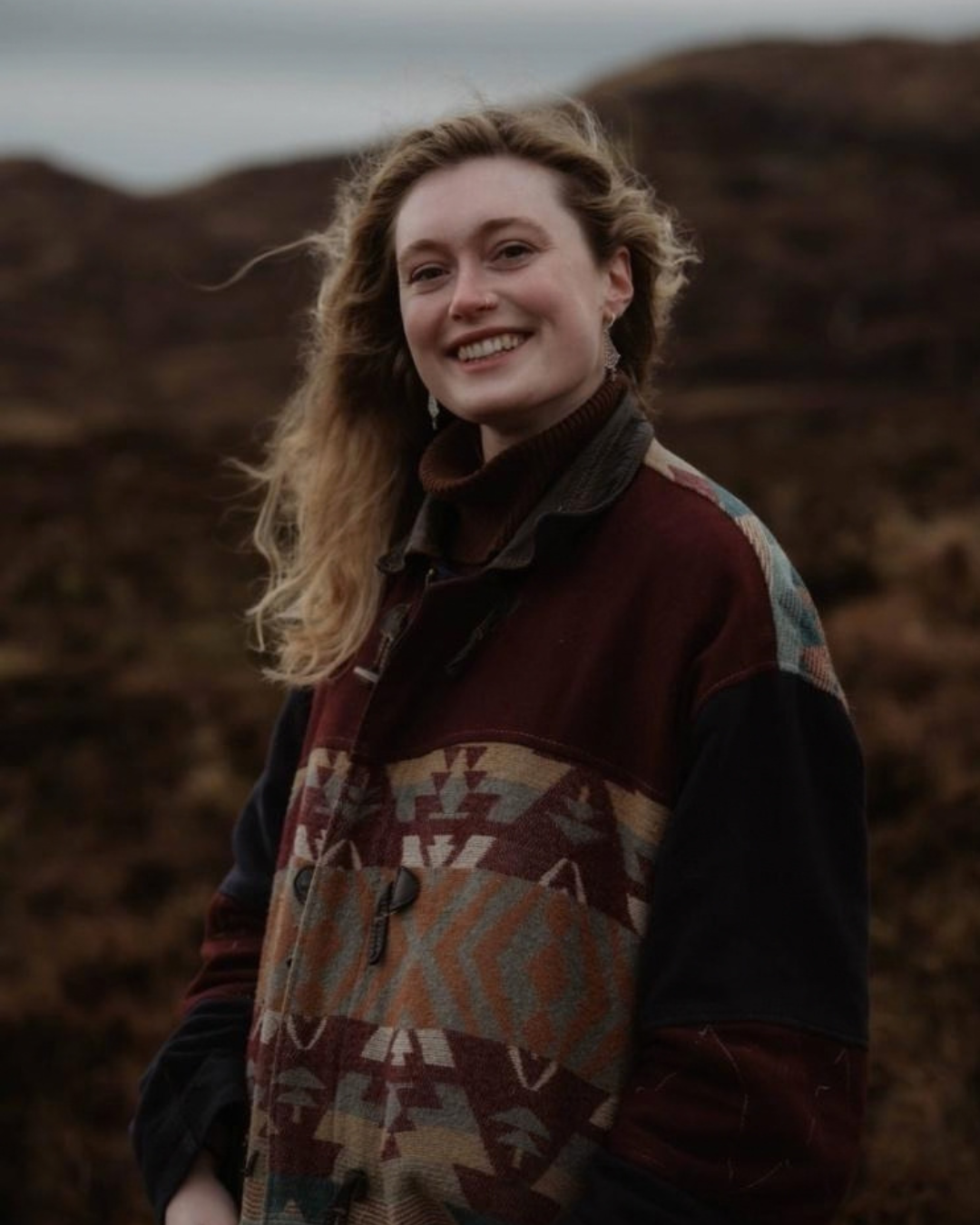
From Derry to New York: Róise Nic an Bheatha’s Celtic Cinema
Irish-born Róise Nic an Bheatha is dedicated to bringing world-class filmmaking back to Scotland and Ireland, highlighting the power of celtic languages and culture on the big screen. Now, she’s set off to New York City to make connections and bring Scottish and Irish stories back to the screen. Director and filmmaker Róise was recently awarded $66,000 through the prestigious Fulbright BAFTA Scholarship, giving her the encouragement to go to New York City and study filmmaking at the School of Visual Arts. The 29-year-old is originally from Derry in Northern Ireland but moved to Edinburgh with her family when she was younger, where she learnt Scottish Gaelic. Before going into film, Róise completed her studies at Glasgow University and then worked at the national centre for Gaelic language, Sabhal Mor Ostaig on the Isle of Skye. One of her highest acclaimed films, Le Chéile, went on to be showcased at film festivals across Ireland and Scotland and is known as the world’s first narrative film featuring both Irish and Scottish Gaelic – exploring how language and place can bring people together in unlikely circumstances.
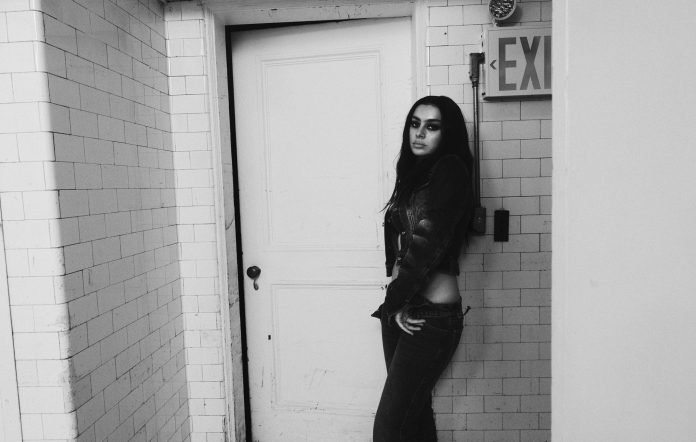
Music, Fashion, Film: How Charli xcx Continues to Rock the Music Industry’s Moulds
When I first heard Charli xcx was making a rock-inspired album, I was admittedly sceptical. However, as singles ‘SS26’, ‘Wink Wink’, and ‘Camera’ dropped, I found myself appreciating her new musical direction. Released on July 24th 2026, Music, Fashion, Film received generally positive critical reception, but has consistently been compared to xcx’s latest album, Brat. Whilst this allows for interesting discussion, I believe the discourse should more thoroughly consider xcx’s emergence as a multimedia female artist.
Don’t get me wrong, I loved both Brat and Brat and It’s Completely Different but Also Still Brat, xcx’s collaborative album with artists such as Addison Rae, Lorde, and Billie Eilish. However, the creative collaboration on MFF feels integral to the album’s purpose. Shot by Scottish photographer Aidan Zamiri, the album cover depicts John Cale, Marc Jacobs, and Martin Scorsese, three respective embodiments of music, fashion, and film. Cale, who recently collaborated with xcx on ‘House’, is 84 years old but continues to make records and tour around the UK and Europe. Last year, I saw him at the Pavilion Theatre in Glasgow for his POPtical Illusion tour: despite his age, he performed with the same vigour as in the days of The Velvet Underground.
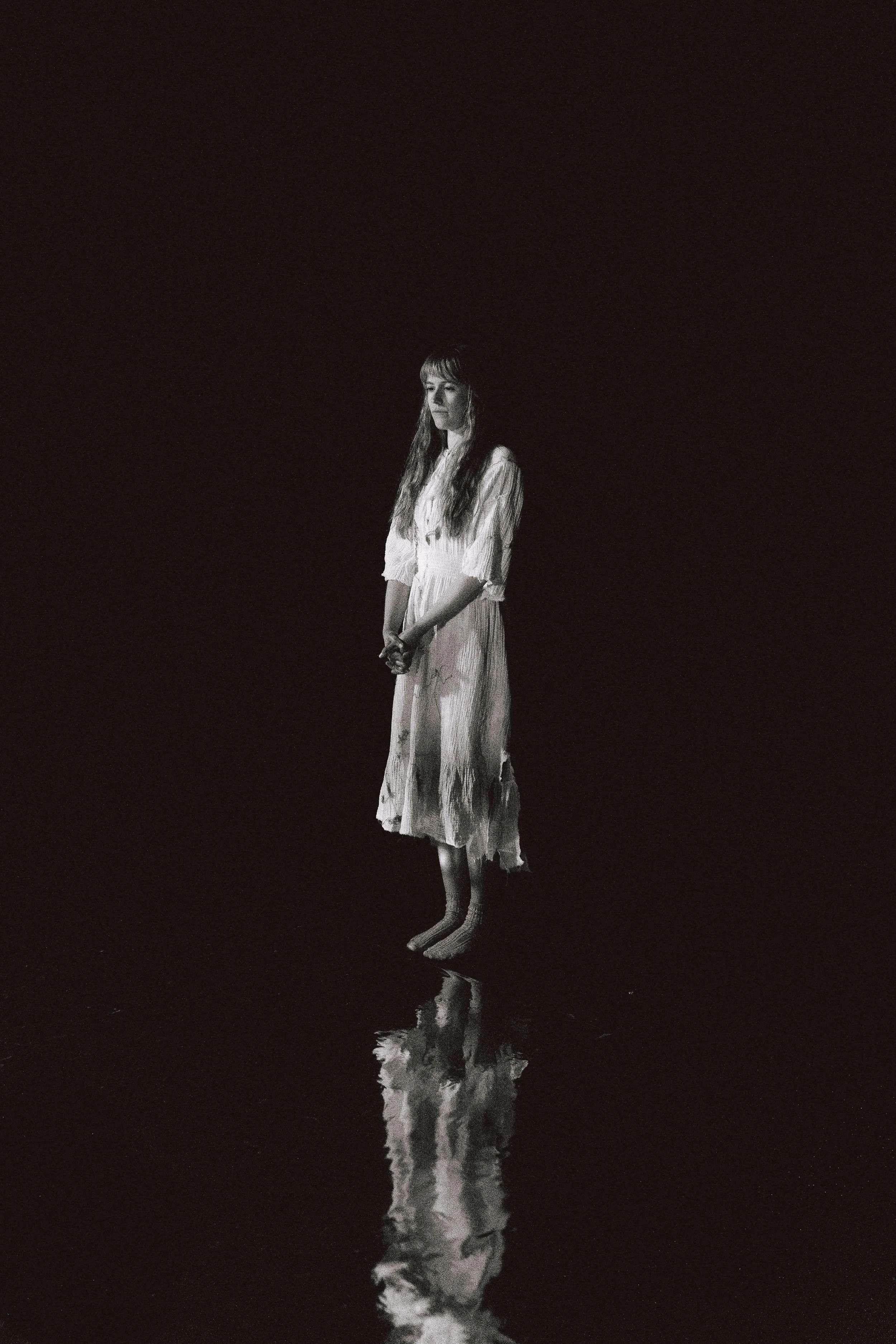
Reclaiming the Monster: How Black Magpie Productions is Redefining Scottish Horror
There is something fitting about speaking to Holly Lawrenson Evans and Chantel Hiden-Livingstone while discussing Scotland's landscapes. Every hill, loch and stretch of woodland seems to hold a story, and for the founders of Black Magpie Productions, those stories have become the foundation of a new kind of horror. Their work isn't interested in cheap scares or shock value. Instead, they use Scottish folklore to explore violence against women, misogyny and female survival, proving that horror can be as emotionally resonant as it is unsettling.
Founded by director Holly Lawrenson Evans and writer Chantel Hiden-Livingstone, Black Magpie Productions grew from Holly's desire to challenge how women have historically been portrayed within horror. After completing a Master's in Experimental Filmmaking at the University of Glasgow, she became fascinated by feminist body horror, Barbara Creed's The Monstrous-Feminine and Julia Kristeva's theory of abjection. Rather than accepting the familiar horror archetypes of women as helpless victims or terrifying monsters, Holly wanted to dismantle them.
"I was just fed up with seeing horror films where women were either the victims or the monsters," she explains. "There was never any space for women to simply exist as complicated people."