

From Derry to New York: Róise Nic an Bheatha’s Celtic Cinema
Written by Cara MacDonald edited by Charlotte Lewis
Irish-born Róise Nic an Bheatha is dedicated to bringing world-class filmmaking back to Scotland and Ireland, highlighting the power of celtic languages and culture on the big screen. Now, she’s set off to New York City to make connections and bring Scottish and Irish stories back to the screen. Director and filmmaker Róise was recently awarded $66,000 through the prestigious Fulbright BAFTA Scholarship, giving her the encouragement to go to New York City and study filmmaking at the School of Visual Arts. The 29-year-old is originally from Derry in Northern Ireland but moved to Edinburgh with her family when she was younger, where she learnt Scottish Gaelic. Before going into film, Róise completed her studies at Glasgow University and then worked at the national centre for Gaelic language, Sabhal Mor Ostaig on the Isle of Skye. One of her highest acclaimed films, Le Chéile, went on to be showcased at film festivals across Ireland and Scotland and is known as the world’s first narrative film featuring both Irish and Scottish Gaelic – exploring how language and place can bring people together in unlikely circumstances.
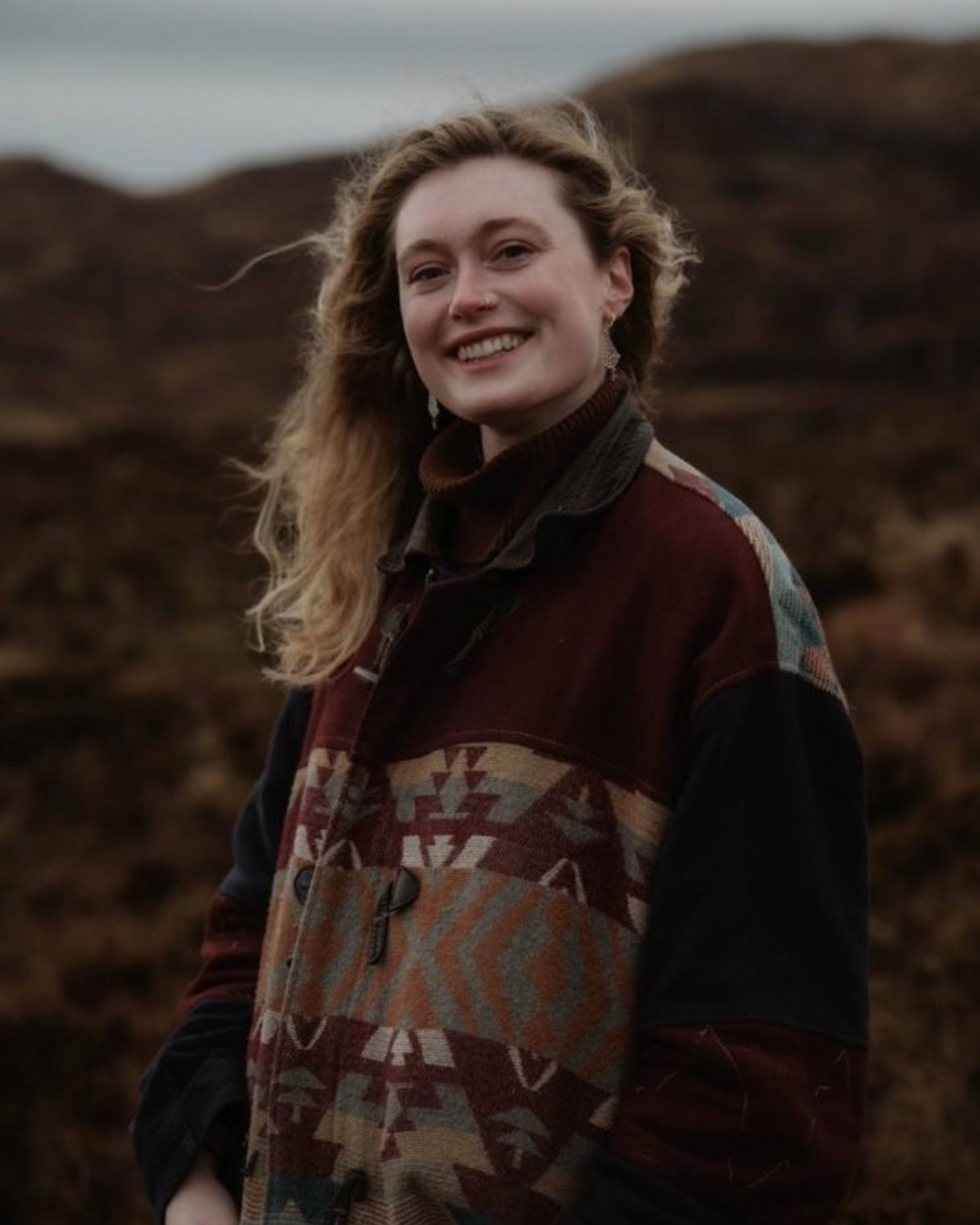
Image - Danielle Stewart
The film went on to be selected for over 20 film festival across the UK and earned Róise several accolades, including Best Director award at Partick Film Festival and Best Short Film award at Lasta Film Festival. Now, Róise makes history as the first-ever Scotland-based recipient of the prestigious Fulbright BAFTA Scholarship, giving her the financial support to pursue a postgraduate course in film at an American university. Speaking to Antagonizine while getting settled into the city, she talks about how she came about finding the course and the time-consuming application process.
She said: “I had saved up for the masters, but in the back on my mind I was thinking ‘There must be a way to fund postgraduate study’, and I couldn’t for the life of me find anything anywhere.”
She eventually found the Fulbright BAFTA Scholarship award and with it, then came the very long application process. But, going into the scholarship process, Róise said she had a “really clear vision”.
“It’s a really long and complicated process.” Róise said, “You have to get three references, you have to fill out lots of forms, you do personal statements, you do study objectives, and you have to kind of sell what you’re going to do while you’re in America and you have to showcase that you’re a world leader.
“They really want to see that you can be a world changer, so you really have to big-up your work and that it is going to profoundly change the world, which is funny because I think storytelling and filmmaking are really important but you’re alongside the other ‘Fulbrighters’. Some of them are doctors, policy makers who are very directly impacting people’s lives in a profound way. Not to diminish filmmaking – I do think it can profoundly change people’s lives – but it’s interesting putting filmmaking in the same conversation as other academic fields.”
The purpose of going to do the master’s is to fulfil her dreams bringing world-class storytelling back to Scotland, elevating both Gaelic and Irish-language cinema to global audiences.
Looking back on why Celtic-language storytelling is so important to her, Róise mentioned the growing opportunities within the Scottish film industry, but noted that it still lacks in comparison to Ireland, and especially Wales.
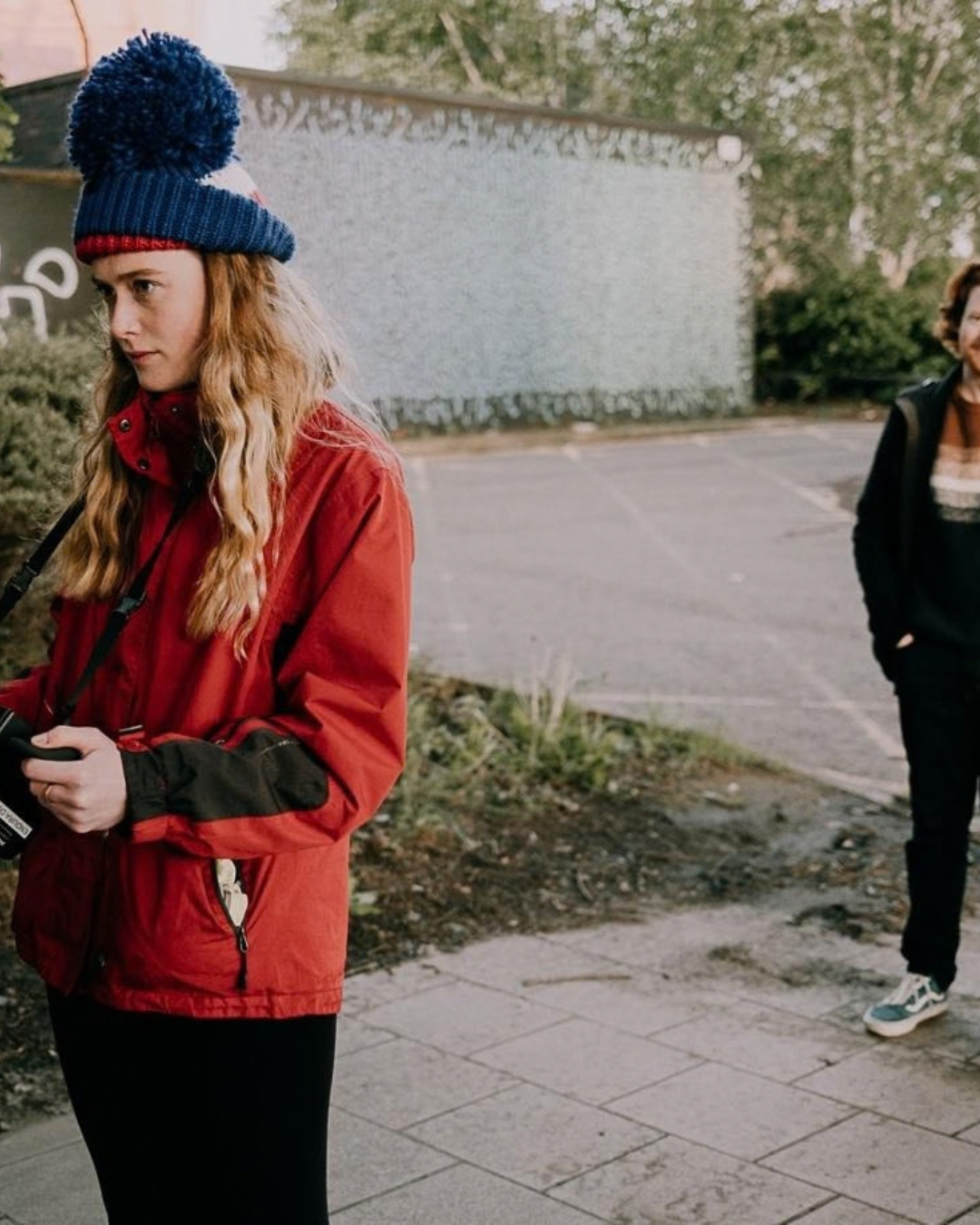
“When I was looking for funding for Le Chéile, there was no specific funding for Gaelic film shorts. Like Ireland is committed to making one Irish feature film - I want to say - every year and their film festival circuit really encourages Irish language short films. And Wales, Wales is way better than Ireland or Scotland, they make about two or three feature films and are really supportive of Welsh language shorts. There’s something so important about committing money – a budget – towards Celtic language filmmaking. And I think Scotland is getting there and there’s a lot of change happening within places like ScreenScotland, but it would be great to see more.”
The decision to go to New York was a difficult one but now one that makes the most sense for her career. For some time, Róise had to make the decision between jetting off to America and returning to Ireland and studying at Queen’s University in Belfast, nearer family and friends. In the end, she decided to take the “once in a lifetime opportunity” with support from her loved ones.
That decision to look beyond Ireland, however, has not meant leaving her Irish identity behind. If anything, Róise believes that Irish and Gaelic culture is a rich source of stories with international appeal – something she sees reflected in some young creators.
“I believe the ideas that come off the back of Irish culture and Gaelic culture are commercial ideas, I think they’re international stories, and I think they can resonate with people in a really authentic way, I just think we need to get better at, A) supporting them financially, and B) having the confidence to tell those stories. This is why I love the young creators and TikTokers coming out of Scotland at the moment because they’re just like ‘Screw it, I’m just going to make what I want to make’.
“I think that, for too long, there’s been this idea that you have to promote culture perfectly, and I think the reality of culture, especially with minoritised languages - is that it’s this really imperfect, it’s a bit messy, and that’s a good thing because that means that it’s alive.
“I kind of love it when people have different takes on language and culture, different creative approaches and ideologies on how to ‘preserve’ it, keep it alive, because the fact that there’s even a discussion shows that it’s thriving in some capacity. People won’t always agree or see eye-to-eye, but culture is such an important way of enabling these discussions, enabling disagreements, and still finding a way to get along.”
Overall, Róise’s desire to amplify the Scottish and Irish-based talent and launch it onto the big screen has given her the drive to continue her studies and showcase true communities on screen.
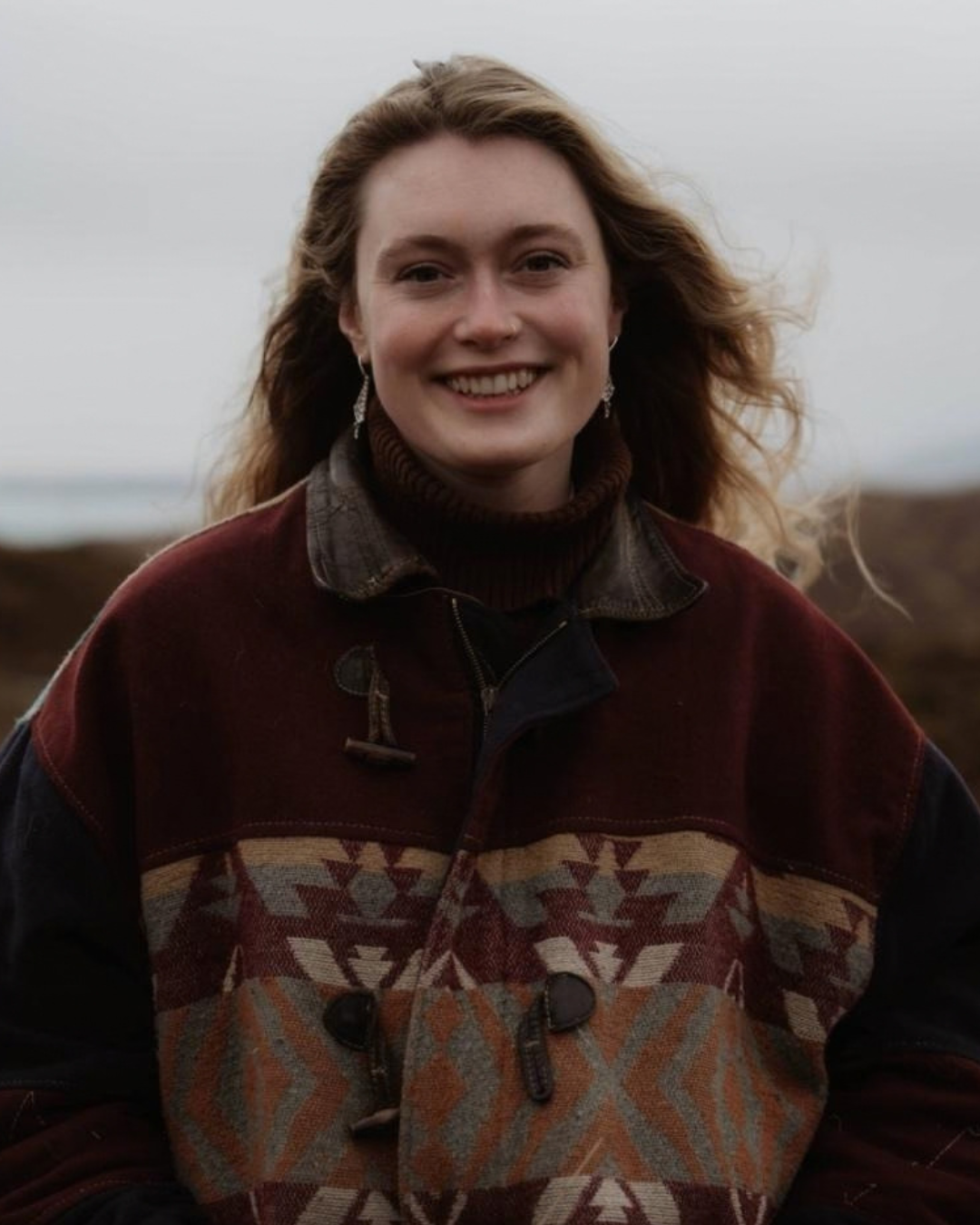
Image - Danielle Stewart.