

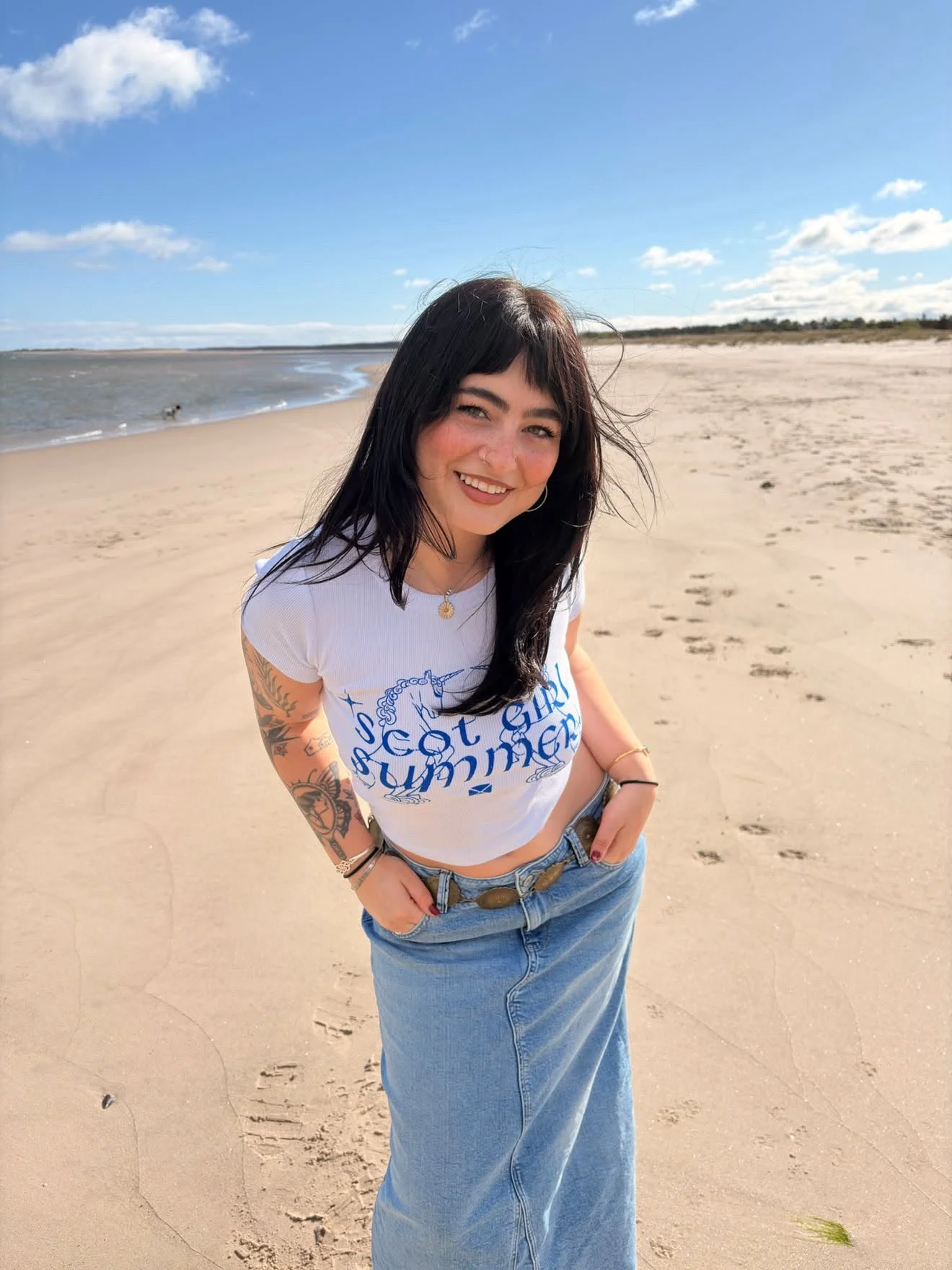
“Yeah, I’m speaking this language, listen to what I’m talking about”: Etta-May on modernising Gaelic and better opportunities for young islanders.
Etta-May Olley (@ettamaigh on TikTok and Instagram) is bringing the Gaelic language into mainstream content with her own social media videos, as well as special brand deals with some of Scotland’s well-known brands.
Etta-May grew up on the Isle of Harris in the Western Isles – where the population is just under 2,000. With miles of untouched landscape and rolling hills, the Isles are known to be a great place of inspiration for artists and creatives.
As with any remote location, opportunities can be limiting. And while some find better opportunities away, Etta-May described it as a “pull” that keeps the connection to the island so strong.
She recently shared a video to her 6.7k followers on TikTok and 9.7k followers on Instagram about how she felt disappointed that she can’t make the islands her home while also progressing in her career.
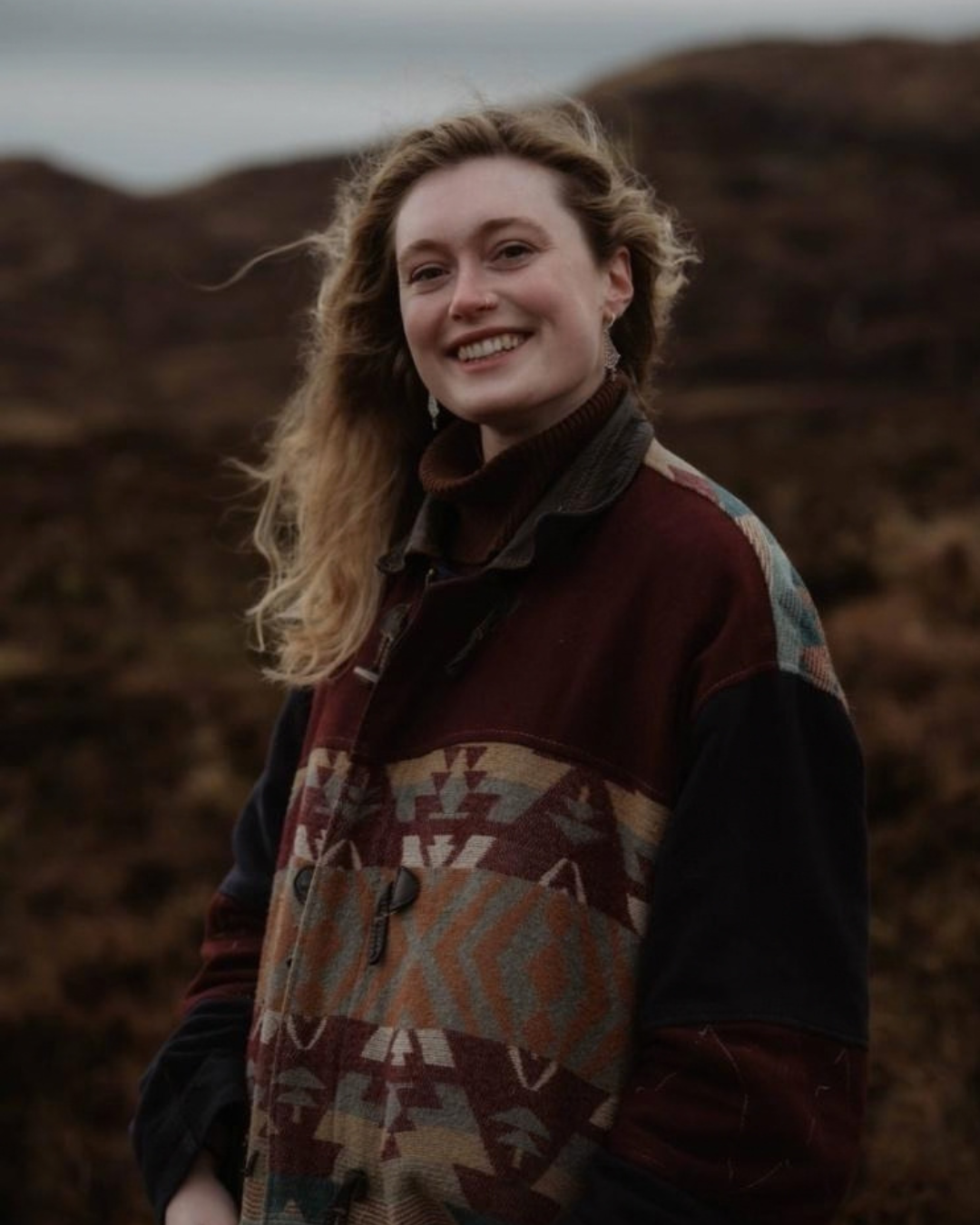
From Derry to New York: Róise Nic an Bheatha’s Celtic Cinema
Irish-born Róise Nic an Bheatha is dedicated to bringing world-class filmmaking back to Scotland and Ireland, highlighting the power of celtic languages and culture on the big screen. Now, she’s set off to New York City to make connections and bring Scottish and Irish stories back to the screen. Director and filmmaker Róise was recently awarded $66,000 through the prestigious Fulbright BAFTA Scholarship, giving her the encouragement to go to New York City and study filmmaking at the School of Visual Arts. The 29-year-old is originally from Derry in Northern Ireland but moved to Edinburgh with her family when she was younger, where she learnt Scottish Gaelic. Before going into film, Róise completed her studies at Glasgow University and then worked at the national centre for Gaelic language, Sabhal Mor Ostaig on the Isle of Skye. One of her highest acclaimed films, Le Chéile, went on to be showcased at film festivals across Ireland and Scotland and is known as the world’s first narrative film featuring both Irish and Scottish Gaelic – exploring how language and place can bring people together in unlikely circumstances.
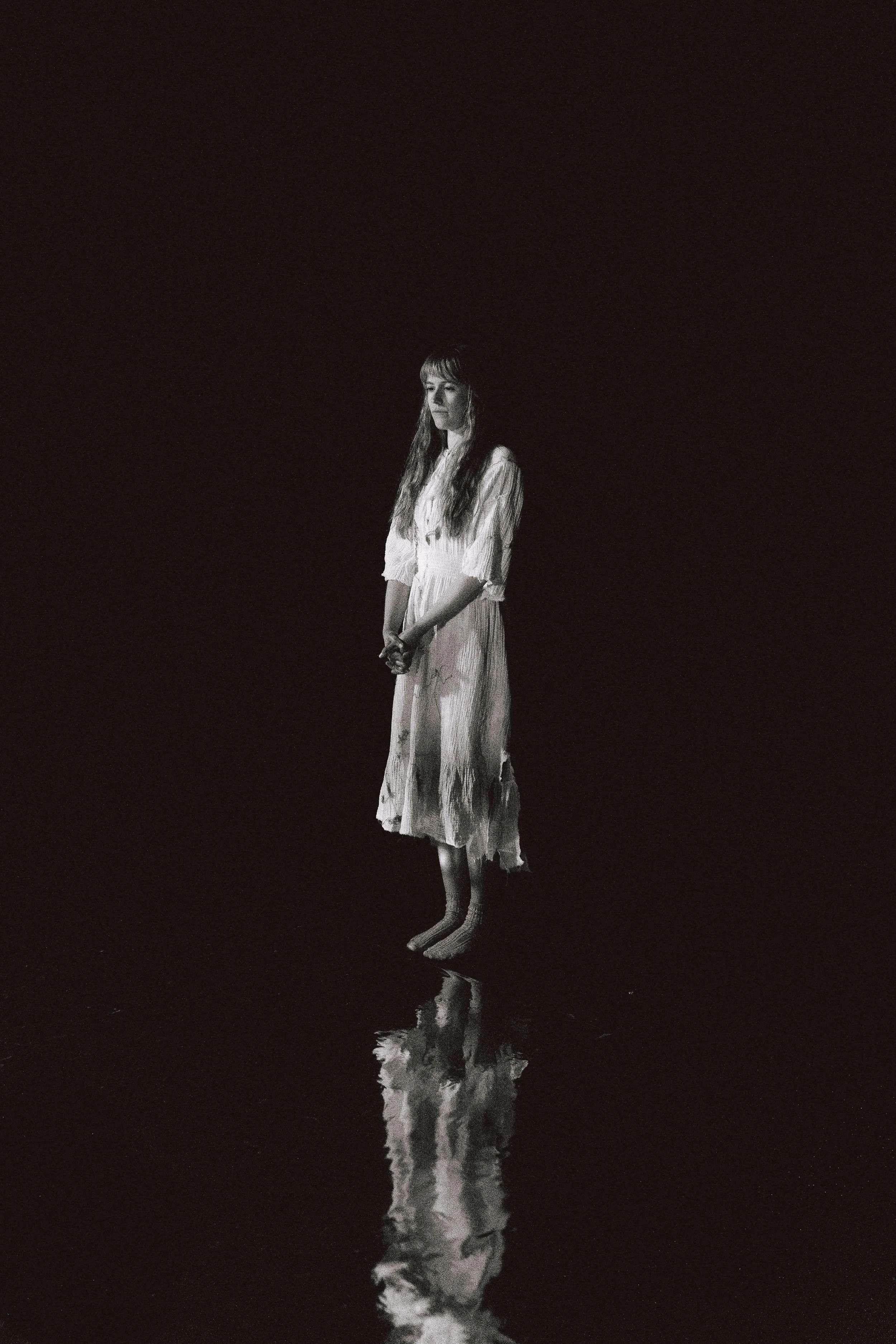
Reclaiming the Monster: How Black Magpie Productions is Redefining Scottish Horror
There is something fitting about speaking to Holly Lawrenson Evans and Chantel Hiden-Livingstone while discussing Scotland's landscapes. Every hill, loch and stretch of woodland seems to hold a story, and for the founders of Black Magpie Productions, those stories have become the foundation of a new kind of horror. Their work isn't interested in cheap scares or shock value. Instead, they use Scottish folklore to explore violence against women, misogyny and female survival, proving that horror can be as emotionally resonant as it is unsettling.
Founded by director Holly Lawrenson Evans and writer Chantel Hiden-Livingstone, Black Magpie Productions grew from Holly's desire to challenge how women have historically been portrayed within horror. After completing a Master's in Experimental Filmmaking at the University of Glasgow, she became fascinated by feminist body horror, Barbara Creed's The Monstrous-Feminine and Julia Kristeva's theory of abjection. Rather than accepting the familiar horror archetypes of women as helpless victims or terrifying monsters, Holly wanted to dismantle them.
"I was just fed up with seeing horror films where women were either the victims or the monsters," she explains. "There was never any space for women to simply exist as complicated people."
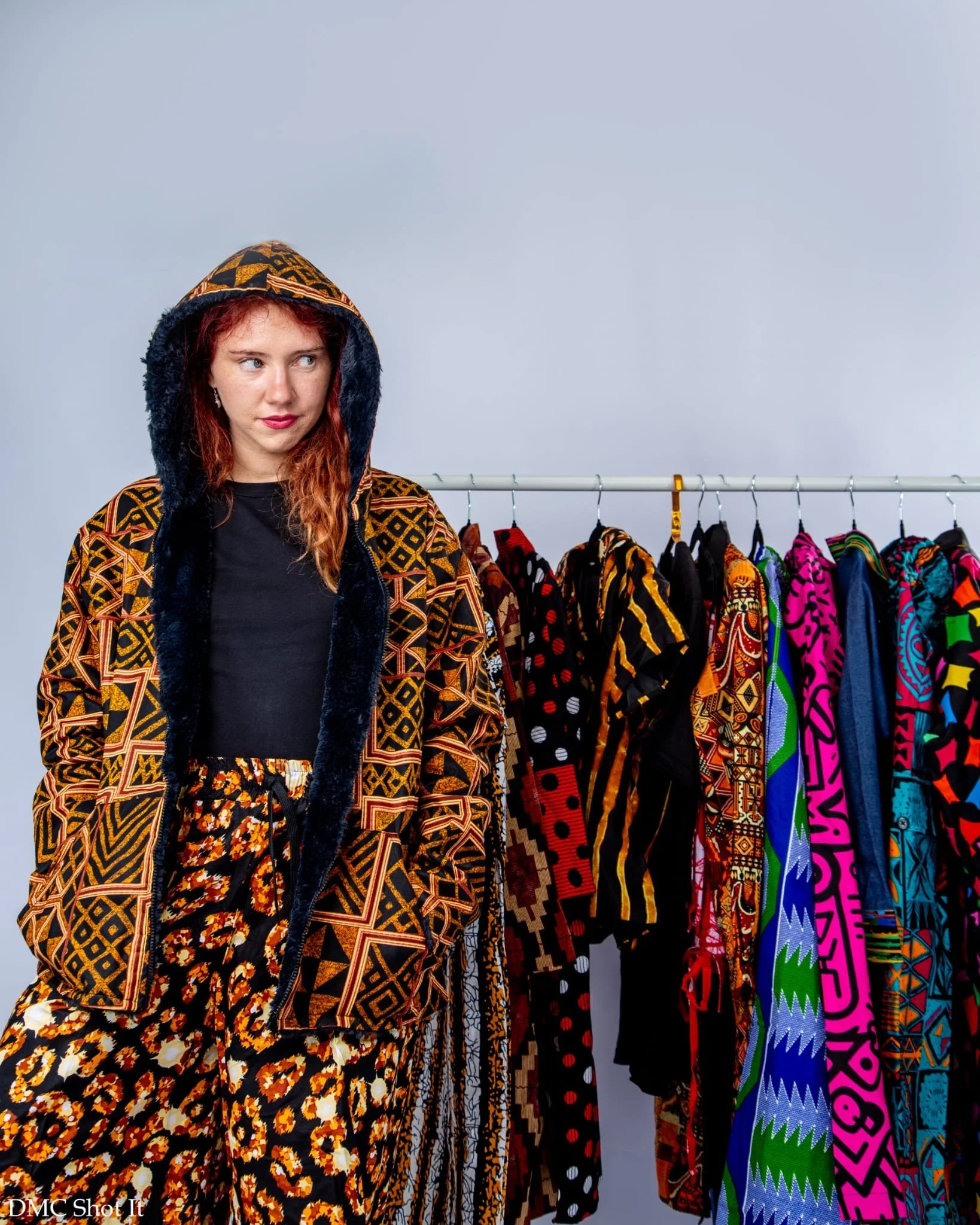
Jajex Apparel: Where African Heritage Meets Scottish Weather
Fashion has long been shaped by movement; by the places we leave behind, the cultures we carry with us, and the environments we learn to navigate. For Nigerian-born designer Dorothy Opia Enwemuche, that journey began with something unexpectedly practical: the Scottish climate.
After moving to Edinburgh, Dorothy found herself adjusting to a landscape and lifestyle unlike the one she had known. The colder weather brought a new challenge, but it also sparked a creative question: how could clothing designed for Scotland still reflect the colour, energy, and heritage of home?
Behind The Runway: The Collective Vision Behind ‘Roots & Rebirth’ and Aberdeen’s Fashion Revival
As models paraded down the runway on Halloween night, clad in bold hues, vibrant patterns, and unique craftsmanship, October 31st marked a fashion revival for Aberdeen with the unveiling of a collection titled Roots & Rebirth. The night signalled the emergence of a dynamic, daring, and creative fashion chapter for the often creatively overlooked granite city. Nigerian-born designer Joy Kelikume Oziomaaka, the visionary behind the London Fashion Week success Kelikume Fashion and Styling, aims to bring the concept of a Fashion Week to Scotland and open opportunities for young people pursuing careers in the fashion industry—preventing them from taking their talents elsewhere.
The brand was founded by Kelly (as she is affectionately known) two years ago after working for 15 years at Chevron. Her pivot from the energy sector to fashion stemmed from a personal love for the industry, describing fashion as “the only language I enjoy speaking.”

‘Mo Chridhe’: Katie Forbes on sharing the Gaelic Language with Modern Scotland
Katie Forbes sits down with Antagonizine to discuss her art, her love for the Gaelic Language and the family that inspired it.
What does Gaelic look like splashed across the walls of Glasgow?
Inspired by her stepfather's late mother – who she refers to as Granny Annie – and her native language, mural artist, Katie Forbes, brings the language to life with vivid colours and eye-catching designs, along with phonetic spellings to truly reach and include anybody. Katie felt drawn to learning Gaelic and truly embraced the rural Scottish side to her artistic ideas.