

Written by Rachel Atinuke Odunayo, edited by Charlotte Lewis
Somewhere along Peter Street, a server sets a steak ablaze with a blowtorch while three neighbouring tables reach for their phones. Between plush velvet booths, synthetic cherry blossoms and lighting calibrated to a perpetual golden hour, central Manchester’s hospitality scene has become something of a live stage production. It is atmospheric theatre, carefully engineered to make an evening look extraordinary on screen, even as the rain lashes against the windows on Deansgate. But behind the theatrical glow lies a much less glamorous economic reality.
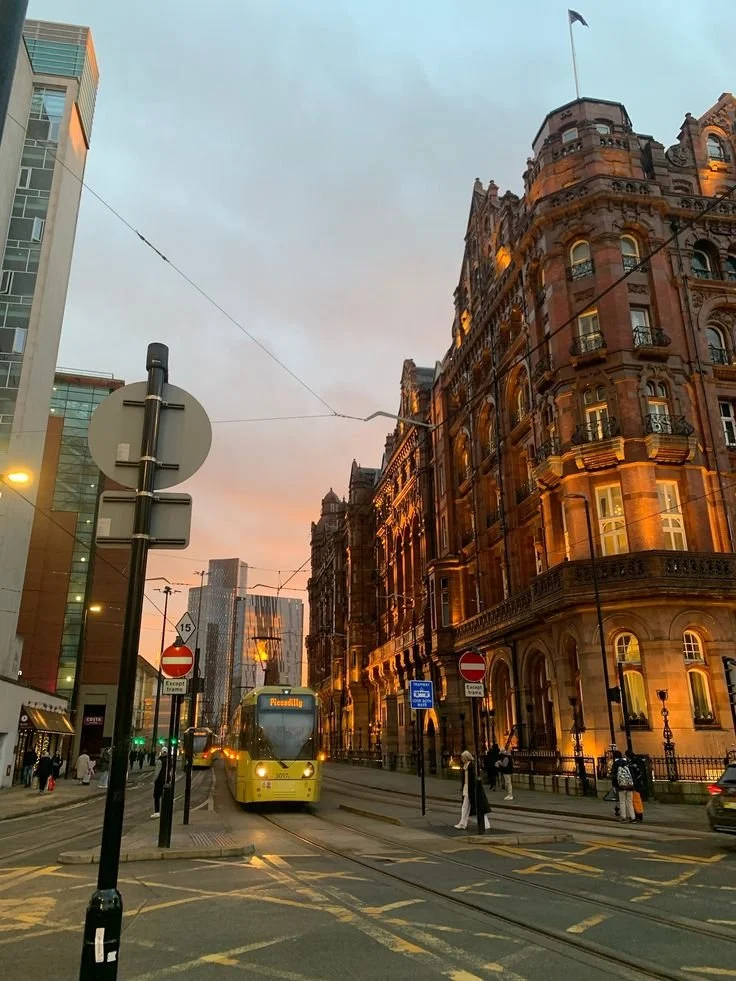
Look beyond the dramatic lighting and tableside displays, and an industry navigating an increasingly difficult financial landscape begins to emerge. Rising commercial rents, business rates and the cumulative cost of running a venue have left operators with increasingly narrow margins. Across central Manchester, an odd paradox has taken hold: dining rooms appear packed on a Friday night, yet profitability remains far from guaranteed. Elaborate interiors and theatrical menus are not necessarily the product of vanity or an obsession with going viral. They are also a commercial strategy. A £9.50 craft cocktail or £13.50 French toast offers a markup that a conventional plate of food might struggle to match. In the current climate, spectacle is no longer simply decoration. It is part of the business model.
Fuelling this model is a hyper-accelerated hype cycle in which every new opening is declared an 'unreal hidden gem' before the doors have barely had time to settle on their hinges. Social media has fundamentally changed how restaurants attract customers, with venues increasingly designed to perform as well on TikTok as they do in person. Deep-fried cheese pulls, dramatic gravy pours and cocktails arriving beneath clouds of dry ice become marketing assets in their own right. For someone scrolling TikTok at midnight, these carefully curated clips manufacture an immediate sense of FOMO, turning an otherwise unremarkable Tuesday opening into the city's latest must-visit destination.
But algorithmic fame is a particularly unstable currency. A sudden influx of customers might fill the room for a few weeks, but visibility does not necessarily translate into loyalty. Influencers arrive for the complimentary meal, visitors come in search of the exact aesthetic they saw online, and regular customers are left competing for reservations. Then another neon-lit bar opens two streets away, the algorithm moves on, and the crowds follow.
The real friction begins when you cross the threshold. There is a particular sinking feeling that comes with spending half an hour in the Manchester drizzle queuing for somewhere you have only ever encountered through a reel, only to discover a classic case of fur coat, no knickers. You're squeezed onto a communal bench, elbow-to-elbow with strangers, handed a QR code instead of a menu and reminded that your ninety-minute reservation is already ticking away. When the food finally arrives, lukewarm and structurally impossible to eat but undeniably photogenic, the illusion begins to unravel. You haven't quite gone out for dinner; you've paid a premium to become background scenery in somebody else's content.
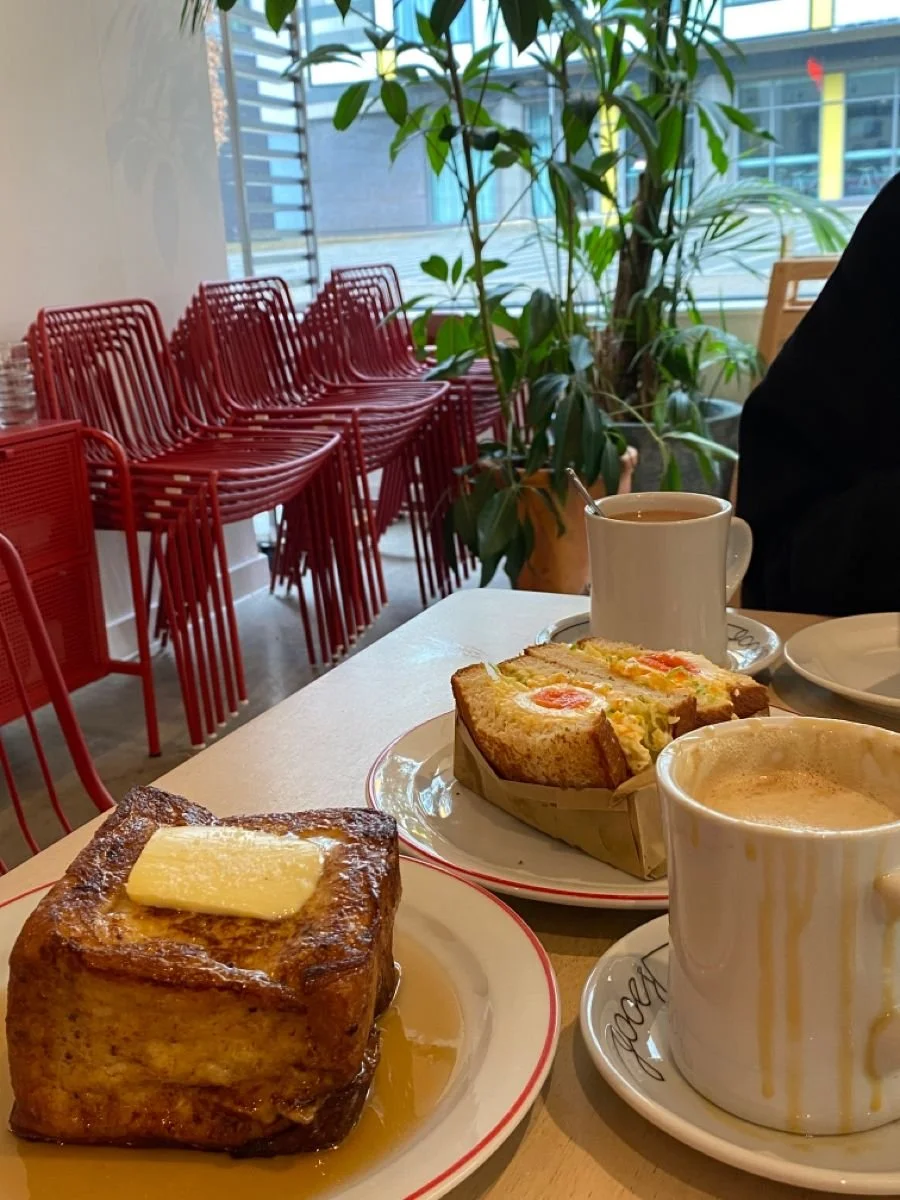
Gooey Manchester
What gets lost in this transformation is not simply good service, but something harder to quantify: the neighbourhood character that once made independent hospitality worth seeking out in the first place. Spaces built around individuality and local loyalty increasingly compete with interiors and menus that feel interchangeable, designed to satisfy the same visual language of social media. The slow regular, who occupies the corner table on a quiet Tuesday, knows the staff by name and returns for the food, is replaced by the content tourist, who photographs three angles of a matcha latte before moving on to the next opening. When a venue trades its grassroots identity for algorithmic visibility, it risks losing the very community that might have sustained it beyond its viral moment. And when the digital spotlight inevitably shifts elsewhere, an empty dining room offers little comfort to an operator left with the bill.
None of this means that neon signs, velvet booths or dry-ice cocktails are going anywhere. Manchester's hospitality scene has always had room for a bit of shameless theatre, and there is nothing inherently wrong with a restaurant wanting to be photographed. The problem begins when the performance becomes more important than the experience itself. A beautifully designed room cannot compensate indefinitely for poor food, indifferent service or an atmosphere that feels manufactured rather than lived in.
Perhaps the answer is not to abandon the spectacle altogether, but to become a little more discerning about what we reward. Behind every viral opening is a business hoping that attention will translate into longevity. Whether it does depends on what happens after the phones are put away. Manchester doesn't need another restaurant designed to look good for fifteen seconds. It needs places worth returning to once the cameras are off.